






















Now Reading: Menstrual Blood May Aid Healing Only After Laboratory Processing
-
01
Menstrual Blood May Aid Healing Only After Laboratory Processing


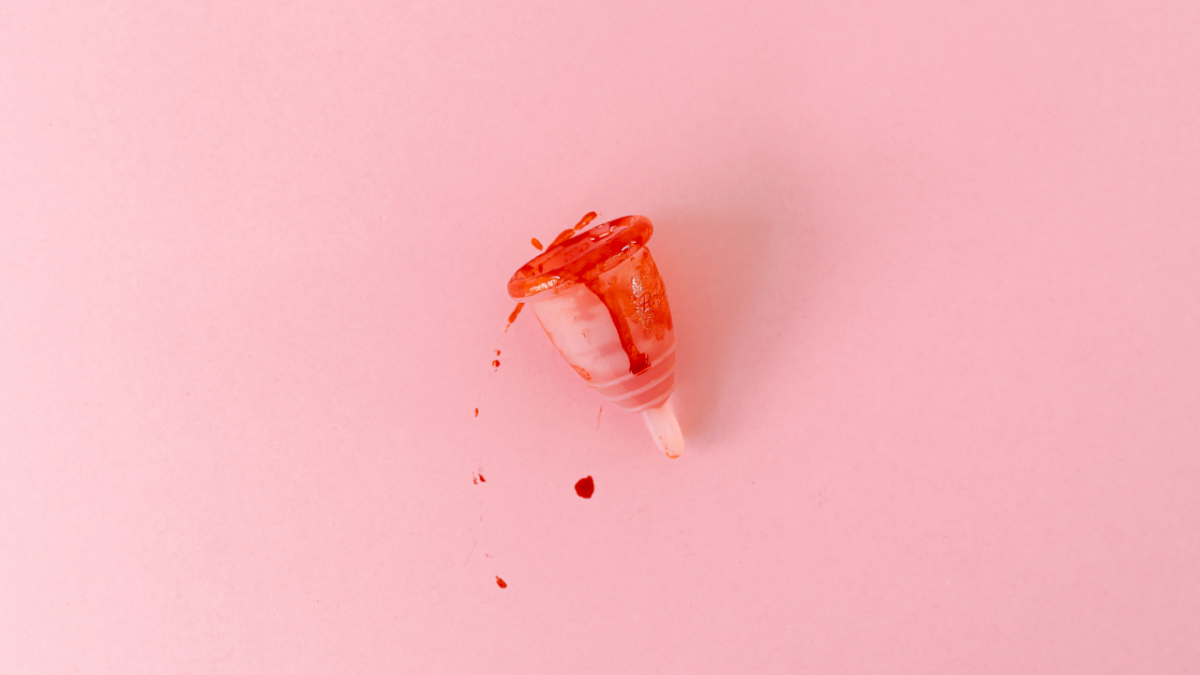
Menstrual blood itself has no proven wound-healing benefit and may raise infection risks when applied to cuts or burns, Times Now News reports. The fluid contains blood, uterine-lining cells, immune cells, proteins,…
The Story in Brief
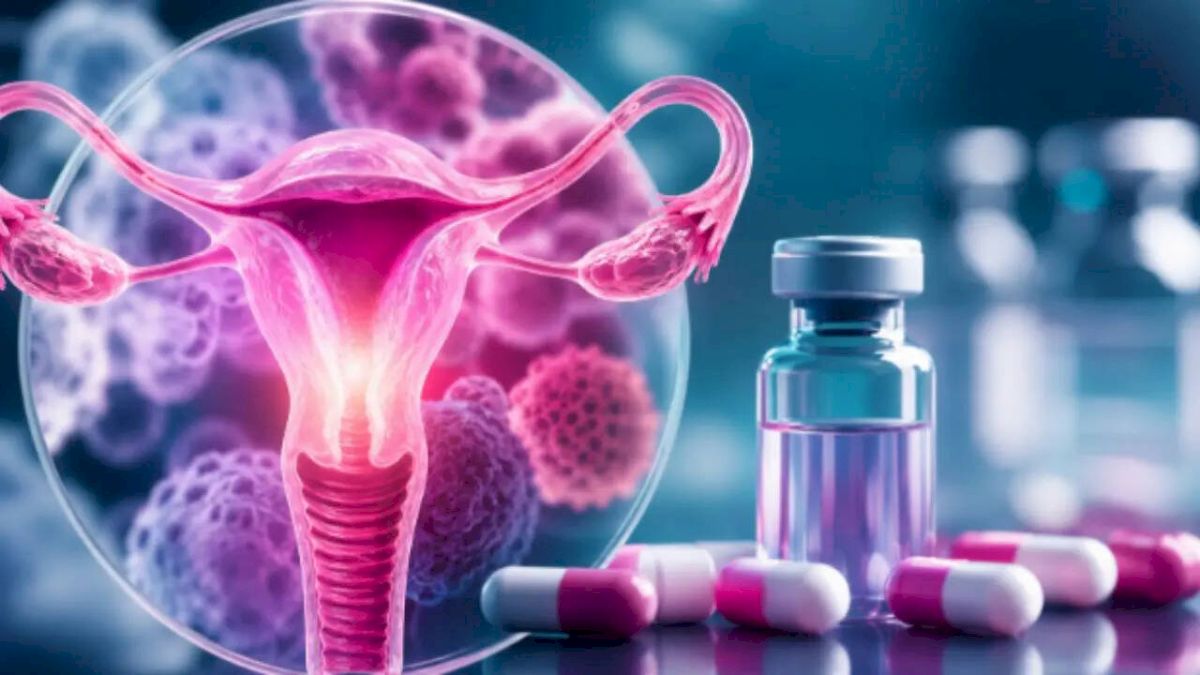
Menstrual blood itself has no proven wound-healing benefit and may raise infection risks when applied to cuts or burns, Times Now News reports. The fluid contains blood, uterine-lining cells, immune cells, proteins, hormones and cervical and vaginal fluids. Researchers are studying menstrual stem cells, known as MenSCs, which can be isolated in laboratories.
Early laboratory and animal studies suggest these cells may support tissue repair, reduce inflammation and help wounds close faster. Possible uses include treating chronic wounds, burns, heart disease and nerve injuries, but human trials are still needed. Tech entrepreneur Bryan Johnson’s plan to store about 10 ml of his girlfriend Kate Tolo’s menstrual blood has renewed interest in menstrual research, not evidence for home treatment.
The Indian Opinion
Social media can turn promising cell research into a claim that period blood is a ready-made medicine. That is wrong. The useful material must be isolated, processed and tested, while menstrual blood outside the body is not sterile. Johnson’s project may help collect data, but publicity is not proof. The practical test is simple: clinical trials must show that processed MenSC treatments are safe and better than existing wound care.
Source: timesnownews.com
This story was synthesised by AI from the source linked above.