










Now Reading: Meta defends AI glasses after privacy backlash in India and abroad
-
01
Meta defends AI glasses after privacy backlash in India and abroad


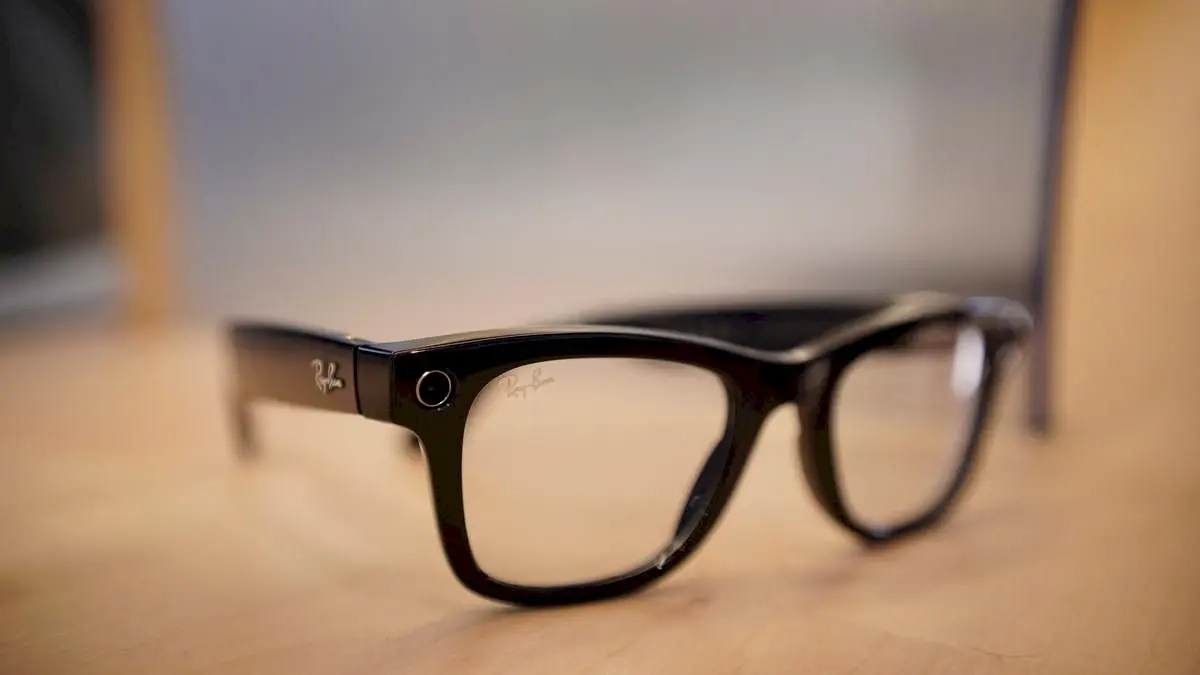
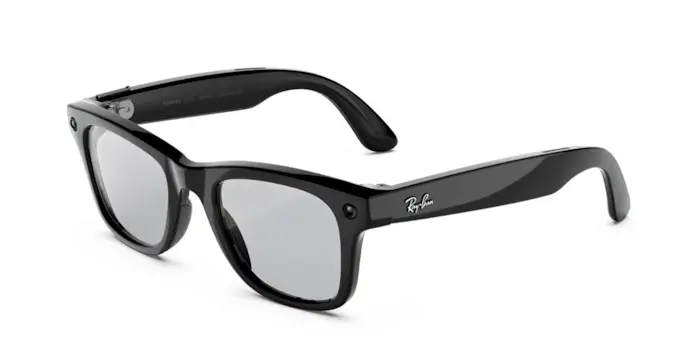
Meta has tried to reassure the public about privacy protections on its AI glasses after backlash grew over their ability to record people without consent. In a July 7 blog post, the…
The Story in Brief
Meta has tried to reassure the public about privacy protections on its AI glasses after backlash grew over their ability to record people without consent. In a July 7 blog post, the company said a blinking white LED and shutter sound indicate recording, but admitted the sound may not be audible over long distances. It also said the camera would be automatically disabled if the LED was blocked, though some users have resorted to sophisticated tampering. The company said it was removing ads for tampered glasses and taking legal action against sellers.
The controversy follows an incident during the Cockroach Janta Party protests in Delhi in July, where a policeman was seen wearing the glasses near Jantar Mantar. The Hindu reported that protesters, mostly students, were disturbed by the use of point-of-view recording devices. Separately, a Swedish media investigation found that contract workers in Kenya were exposed to highly personal and sexual footage recorded by users of Meta's AI glasses.
The Indian Opinion
Tech firms routinely tell us to trust their blinking lights and shutter sounds. But Meta admitted the sound may not be audible at a distance, and workers in Kenya were left distressed after reviewing explicit footage captured by these very glasses. Laws in India still treat covert recording as a crime only after the fact. The real test is not what Meta promises but whether the government will demand tamper-proof hardware, and enforce it before the next protest, not after.
Sources (2): thehindu.com, thehindu.com (2)
This story was synthesised by AI from the 2 sources linked above.