













Now Reading: Metre’s origin story: From French Revolution to international standard
-
01
Metre’s origin story: From French Revolution to international standard


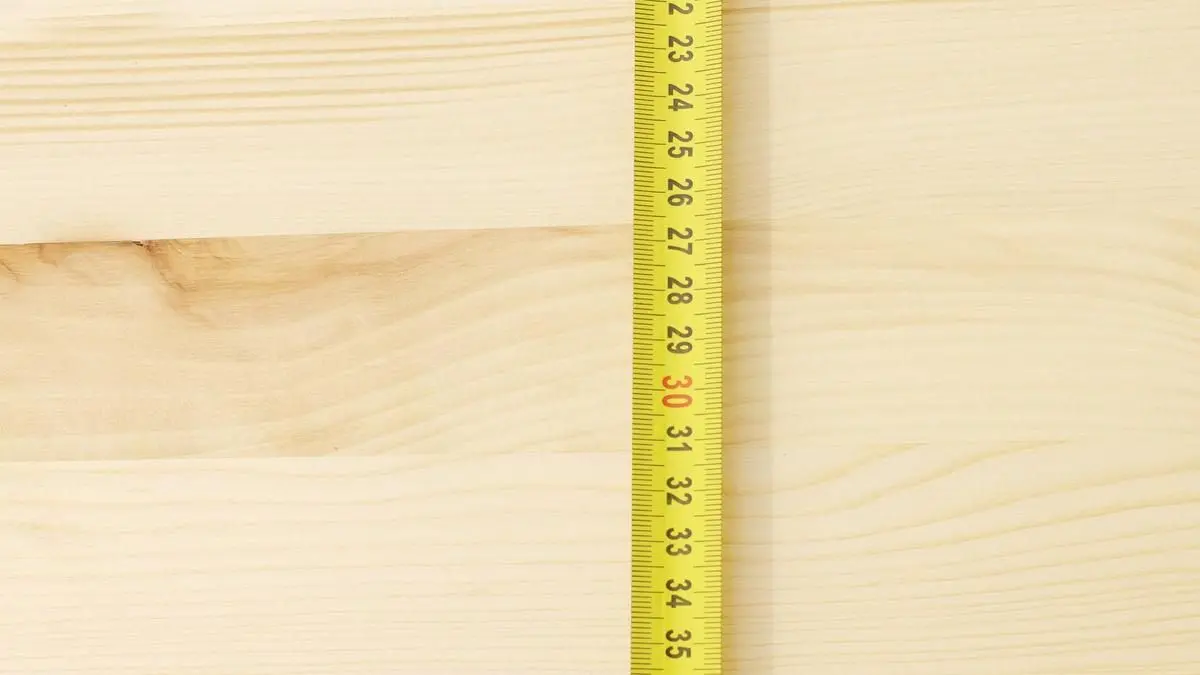
The metre, the standard unit of length in the international system (SI), was born out of the French Revolution's demand for uniform measurements. In 1790, the French National Assembly approved a new…
The Story in Brief
The metre, the standard unit of length in the international system (SI), was born out of the French Revolution's demand for uniform measurements. In 1790, the French National Assembly approved a new decimal system based on a 'natural and invariable base'. The metre was initially defined as one ten-millionth of the distance between the terrestrial pole and the equator.
To determine this length, French scientists Jean Baptiste Joseph Delambre and Pierre Francois Mechain spent six years surveying the meridian arc between Dunkirk and Barcelona. Though the first platinum standards were created in 1799, subsequent surveys found errors in their measurements. Rather than change the length, the metre was redefined as the distance between two marks on a standard bar, a definition formalised by the 1875 Treaty of the Meter.
The Indian Opinion
The metre's story is a neat riposte to anyone who sees global standards as a modern, soulless imposition by bureaucrats. This standard was born from messy, human ambition: a revolution, a flawed survey, and a heroic six-year trek across a continent. The lesson is not that the French scientists were incompetent, but that standardisation is a relentless process of correction, not a single decree. The real question is which of today's supposedly settled standards will be quietly revised by a future generation with better data.
Source: thehindu.com
This story was synthesised by AI from the source linked above.