











Now Reading: JPC begins scrutiny of FCRA amendment bill, MHA defends changes
-
01
JPC begins scrutiny of FCRA amendment bill, MHA defends changes


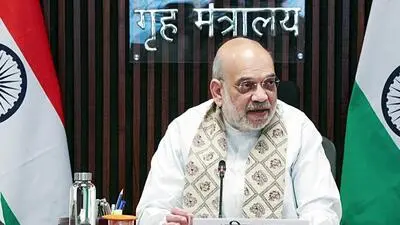
The Joint Committee of Parliament (JPC) examining the Foreign Contribution (Regulation) Amendment Bill, 2026, held its first meeting on Friday, with the Ministry of Home Affairs (MHA) defending the proposed changes as…
The Joint Committee of Parliament (JPC) examining the Foreign Contribution (Regulation) Amendment Bill, 2026, held its first meeting on Friday, with the Ministry of Home Affairs (MHA) defending the proposed changes as a national security measure. The bill, introduced in the budget session, empowers a designated authority to take over or sell assets built with foreign funds by NGOs whose licences are cancelled or not renewed.
Opposition MPs including the DMK's P. Wilson and Trinamool Congress' Menaka Guruswamy argued the provisions violate Article 300A of the Constitution, which protects against deprivation of property without a hearing. BJP members cited concerns about foreign money being used to influence national interest. The MHA said the amendments fill gaps in the existing law, which leaves state governments as passive custodians of seized assets with no clear disposal process.
The JPC, chaired by BJP's Sanjay Jaiswal, is expected to submit its report in the winter session of Parliament. The bill has triggered protests from opposition parties and Christian groups, who say it targets minority institutions. Data shared by the MHA shows 73% of foreign contributions for religious purposes went to Christian organisations in 2024-25.
Indian Opinion Analysis
The Hindu and Deccan Herald give significant space to Opposition objections on constitutional grounds, while Hindustan Times and Times of India lead with the MHA's national security framing and cite historical examples of foreign-funded NGO protests against projects like Kudankulam. The MHA's data on religious fund allocation is reported by Times of India but omitted from Hindustan Times. The key dispute is whether asset seizure without a hearing is a necessary regulatory fix or a constitutional overreach. The JPC's report due in the winter session will test this.
Coverage: 4 sources, 2 pro-government, 1 government-critical, 1 neutral
Sources (4): hindustantimes.com (pro government), thehindu.com (government critical), timesofindia.indiatimes.com (pro government), deccanherald.com (neutral report)
This brief was synthesised by AI from the 4 sources linked above, so one read covers every framing they carry.
Updated: this story now draws on 4 sources.