












Now Reading: MHA committed to phased PRAHAAR anti-terror strategy implementation
-
01
MHA committed to phased PRAHAAR anti-terror strategy implementation


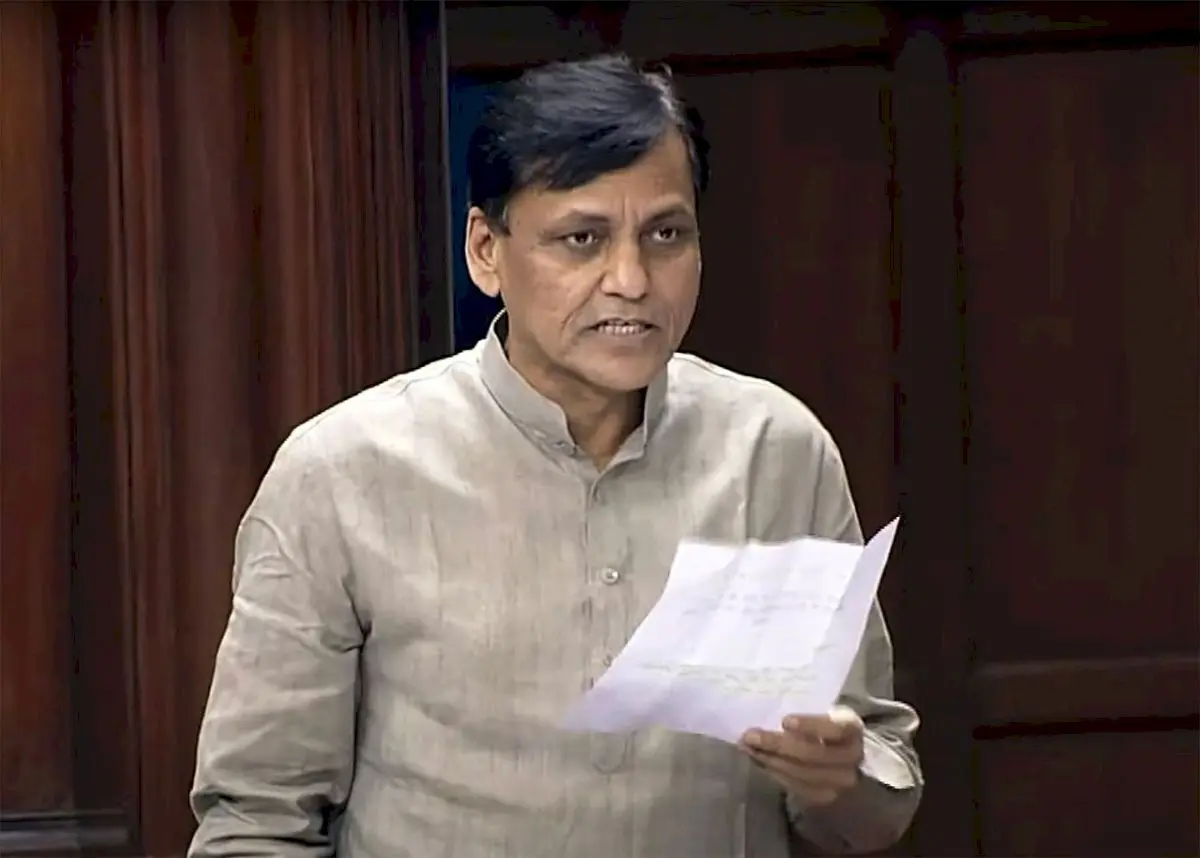
The Ministry of Home Affairs told Rajya Sabha on Wednesday that the government is committed to the phased rollout of PRAHAAR, India’s first comprehensive national counter-terrorism policy. Minister of State Nityanand Rai,…
The Story in Brief
The Ministry of Home Affairs told Rajya Sabha on Wednesday that the government is committed to the phased rollout of PRAHAAR, India’s first comprehensive national counter-terrorism policy. Minister of State Nityanand Rai, in a written reply, said the strategy, unveiled on 23 February 2026, prioritises immediate institutional integration and performance assessment through layered oversight.
Built on seven pillars, PRAHAAR shifts India to a proactive doctrine by formalising real-time intelligence sharing via the Multi Agency Centre, securing critical infrastructure, and coordinating with Central forces like the NSG. It also targets terror financing through crypto wallet tracing, dark web monitoring, and asset seizures aligned with FATF standards. The NIA will host an annual Anti-Terror Conference to review and refine the framework.
The Indian Opinion
The PRAHAAR policy is a welcome shift from a reactive posture, but the real test lies in execution. Critics often paint India’s counter-terror effort as piecemeal or rights-violating. The seven-pillar framework, with its emphasis on rule-of-law and community collaboration, pushes back on both narratives. However, grand strategies have stumbled before on inter-agency turf wars and leaky implementation. The annual Anti-Terror Conference must move beyond review to binding action. A concrete question: will the next conference publish a public scorecard on terror financing cases cracked and radicalisation modules dismantled?
Source: greaterkashmir.com
This story was synthesised by AI from the source linked above.