











Now Reading: Abdul El-Sayed wins Michigan Democratic Senate primary
-
01
Abdul El-Sayed wins Michigan Democratic Senate primary


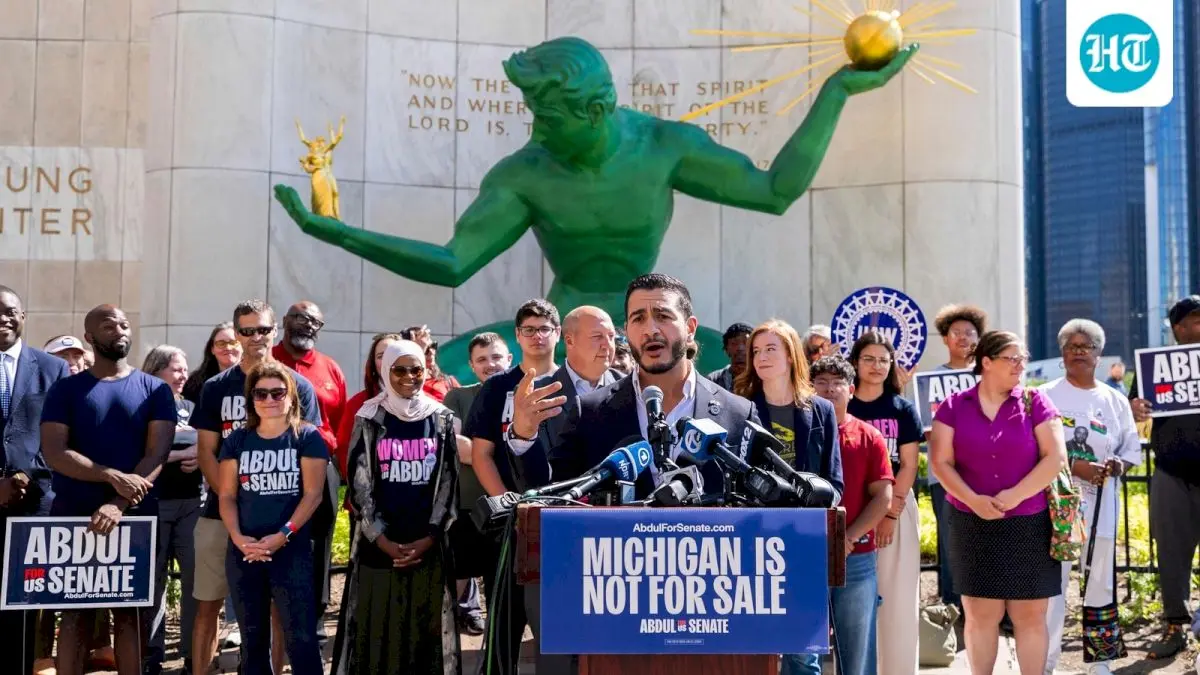
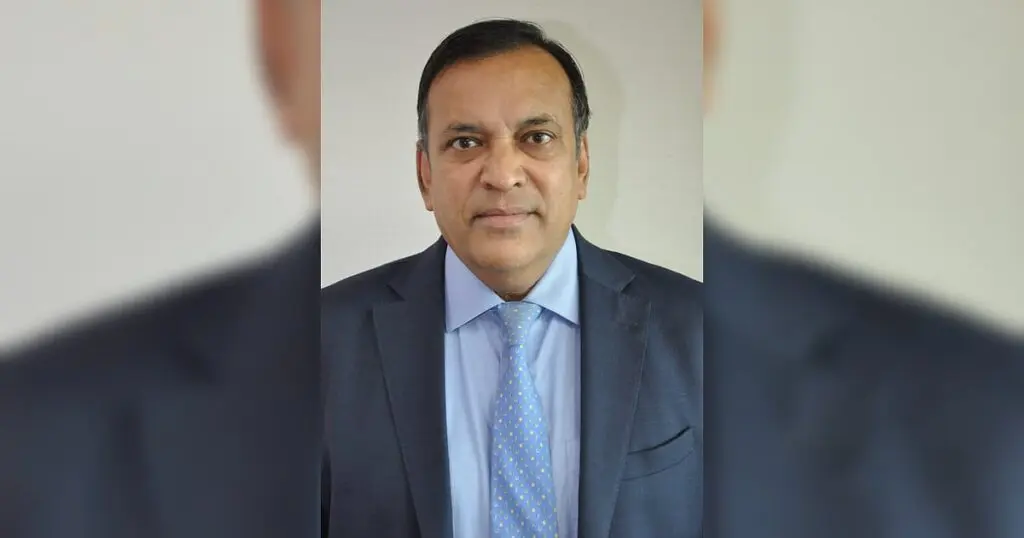
Abdul El-Sayed, a 41-year-old physician, narrowly defeated four-term Congresswoman Haley Stevens in Michigan's Democratic Senate primary. The Associated Press called the race with El-Sayed ahead by 14,893 votes out of over 1.5…
The Story in Brief
Abdul El-Sayed, a 41-year-old physician, narrowly defeated four-term Congresswoman Haley Stevens in Michigan's Democratic Senate primary. The Associated Press called the race with El-Sayed ahead by 14,893 votes out of over 1.5 million cast, the largest turnout for a Democratic primary in state history. Stevens had the backing of Governor Gretchen Whitmer, retiring Senator Gary Peters, Nancy Pelosi and Chuck Schumer. Outside groups supporting her spent over $60 million, including $30 million from the American Israel Public Affairs Committee, but El-Sayed's progressive coalition prevailed.
The victory has energised the left, but party leaders fear it will hurt Democrats in battleground states like Michigan and Wisconsin. In Wisconsin, progressive Francesca Hong is in a four-way Democratic gubernatorial primary. Republicans are spending $3.6 million to boost Hong, hoping she is easier to beat in November. In Minnesota, voters choose between moderate Representative Angie Craig and progressive Lieutenant Governor Penny Flanagan in a Senate primary shaped by backlash to Trump's immigration enforcement.

The Indian Opinion
Commentators are quick to frame every primary upset as a party-splitting crisis for Democrats. Yet El-Sayed won despite the entire establishment, from Whitmer to Schumer, backing his opponent. The real story is the coalition that turned out: young and Arab-American voters. In Wisconsin, Republicans are spending millions to prop up a progressive candidate because they think she is easier to beat. That is a sign of fear, not strength. The test comes in November: will the primary energy translate into general election votes for every Democratic nominee?
Sources (2): hindustantimes.com, hindustantimes.com (2)
This story was synthesised by AI from the 2 sources linked above.
Updated: this story now draws on 2 sources.