












Now Reading: Two Michigan projects restore wetlands and remove dam
-
01
Two Michigan projects restore wetlands and remove dam



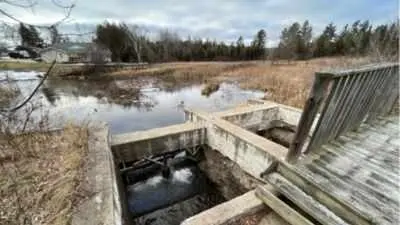
Two major environmental restoration projects are underway in Michigan. In Rose City, a century-old dam built to power a mill will be removed to reopen half a mile of stream habitat and…
The Story in Brief
Two major environmental restoration projects are underway in Michigan. In Rose City, a century-old dam built to power a mill will be removed to reopen half a mile of stream habitat and restore 14 acres of wetlands. The crumbling Sanback Dam blocks fish movement and threatens cold-water species. Sediment behind it contains arsenic above residential safety levels, posing risks to the popular Rifle River and Saginaw Bay. The US Fish and Wildlife Service is partnering with local groups, with most costs covered by state grants.
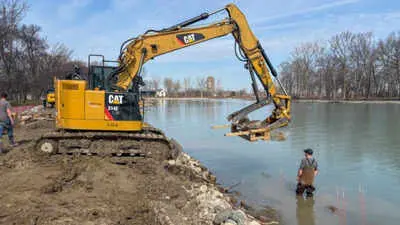
Meanwhile, on Lake St. Clair, the historic Edsel and Eleanor Ford Estate is replacing a mile of concrete shoreline with natural wetlands and fish habitat. The $7 million project, funded by NOAA, will restore 17.5 acres of coastal marsh, nearshore waters, and forested wetland. About 99.9 percent of Michigan’s Lake St. Clair coastline has been hardened, removing shallow areas vital for fish spawning. The estate also lies on a major bird migration route. Both projects aim to bring back native species and protect ecosystems.
The Indian Opinion
Some narratives pit development against conservation, but these Michigan projects show restoring nature can coexist with historic preservation. The Ford House estate is blending a 1920s landscape vision with modern ecology, while the Sanback Dam removal tackles both safety and habitat. Hardened shorelines have robbed U.S. fish of 99.9% of Lake St. Clair's natural coast. The real test will be whether sediment contamination is truly contained downstream after the dam is gone.
Sources (2): timesofindia.indiatimes.com, timesofindia.indiatimes.com (2)
This story was synthesised by AI from the 2 sources linked above.
Updated: this story now draws on 2 sources.