










Now Reading: Minor penalty needs full inquiry if employee denies charges: MP High Court
-
01
Minor penalty needs full inquiry if employee denies charges: MP High Court

Minor penalty needs full inquiry if employee denies charges: MP High Court

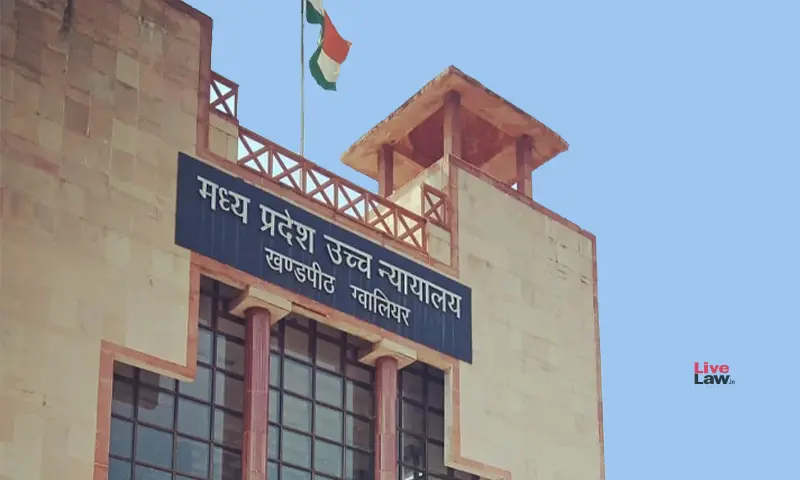
The Madhya Pradesh High Court has ruled that a regular departmental enquiry must be conducted when a government employee facing a minor penalty denies the factual allegations against them. Justice Anand Singh Bahrawat held that giving the employee an opportunity to be heard is a minimum requirement of natural justice that cannot be dispensed with.
The case involved Jandel Singh Veer, a former Estate Officer of the MP Housing Board in Morena. A dispute over a missing land file led to the Board paying Rs 74,718 in interest to a buyer. The Board then imposed a minor penalty ordering recovery of 2/3rds of this amount from Veer, without holding a formal departmental enquiry.
The court quashed the disciplinary and appellate orders as non-speaking and unreasoned, noting the appellate authority failed to consider the facts. It directed the Board to refund the Rs 49,812 already recovered from Veer under protest, within three months of receiving the order's certified copy.
Indian Opinion Analysis
This judgment clarifies a long-standing ambiguity under the Madhya Pradesh Civil Services (Classification, Control and Appeal) Rules. Though Rule 16 allows minor penalties without a full inquiry if facts are admitted, courts have repeatedly held that denial creates a factual dispute requiring a formal departmental enquiry. The critical distinction is between a 'show-cause notice' and a 'charge-sheet', the latter must be issued when facts are contested. The real test here is not the penalty's size but the nature of the allegations. Watch for whether the MP Housing Board appeals this to a division bench, if upheld, it could trigger a flood of similar challenges from employees who accepted minor penalties under protest.
Source: livelaw.in
This story was synthesised by AI from the source linked above. Methodology and corrections.