














Now Reading: Glaw Lake becomes India’s 101st Ramsar wetland site
-
01
Glaw Lake becomes India’s 101st Ramsar wetland site


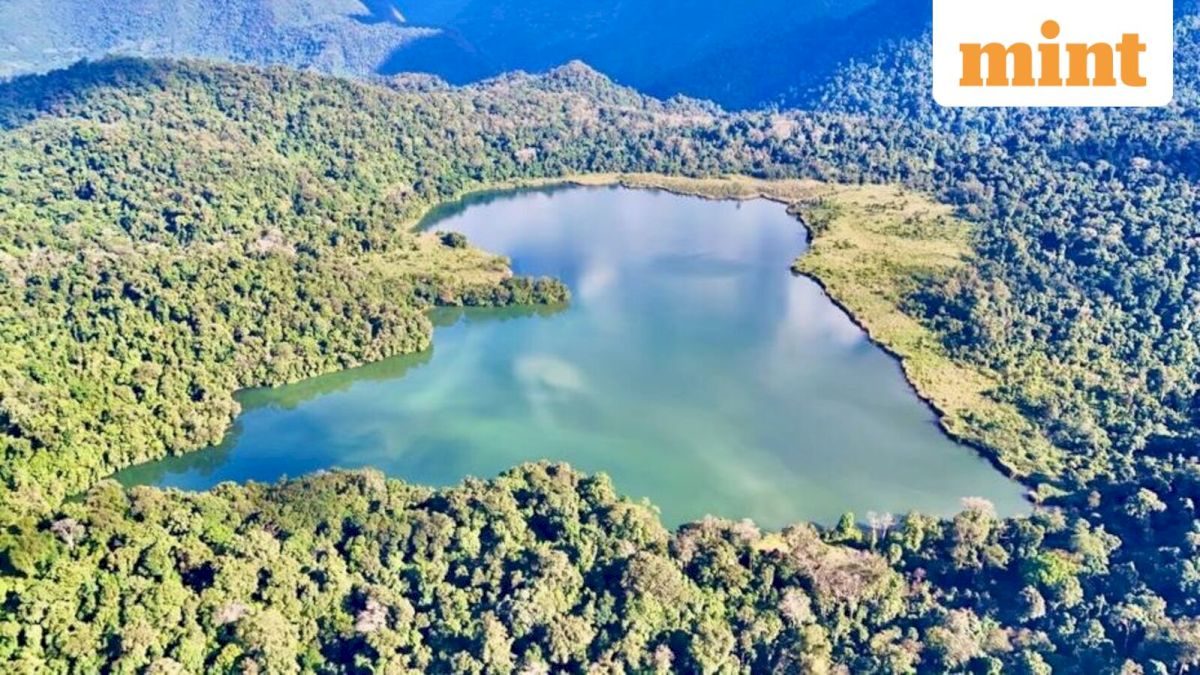
India designated Glaw Lake in Arunachal Pradesh as the country's 101st Ramsar site on 3 August, the state's first such designation, Livemint reported. The freshwater lake sits inside the Kamlang Tiger Reserve…
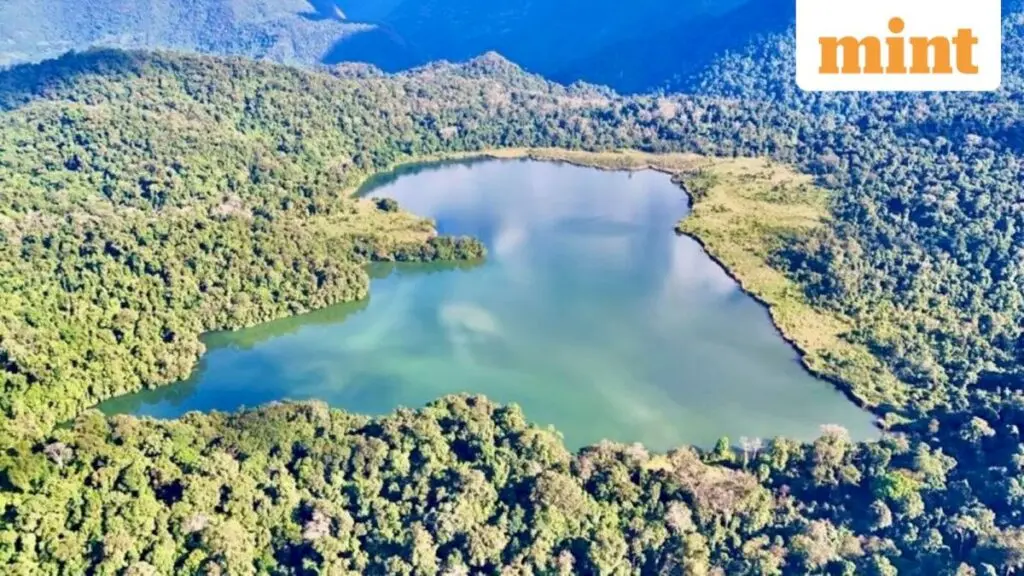
India designated Glaw Lake in Arunachal Pradesh as the country's 101st Ramsar site on 3 August, the state's first such designation, Livemint reported. The freshwater lake sits inside the Kamlang Tiger Reserve and Wildlife Sanctuary in the eastern Himalayas and is considered a biodiversity hotspot. Ramsar status marks a wetland as internationally important under the Ramsar Convention, which India joined in 1982, the report noted that India's network has grown from 26 sites in 2014 to 101 today, with Tamil Nadu holding the most at 20 and Uttar Pradesh next with 13. Recognition does not automatically confer legal protection, the report said, but it can improve monitoring, management, technical cooperation and eco-tourism. Paras Tyagi, co-founder of the Centre for Youth Culture Law and Environment, told Livemint that protected areas such as wildlife sanctuaries add a layer of protection to Ramsar sites within them, but that a dedicated local area planning framework, similar to an urban master plan, is still needed to conserve existing sites and identify future ones.
Indian Opinion Analysis
Livemint's explainer separates the formal designation from the harder question of upkeep: Ramsar status raises a wetland's profile and opens access to technical cooperation, but the report is explicit that it carries no automatic legal protection or dedicated funding. Paras Tyagi's call for a local area planning framework, similar to an urban master plan, points to a specific gap between the Kamlang reserve's existing wildlife-sanctuary status and the kind of standing management structure Ramsar recognition alone does not create. India's site count has more than tripled since 2014, showing the designation process itself stays active even where implementation lags behind it. A local planning framework of the kind Tyagi describes, adopted for the Kamlang reserve, would be the follow-through this account has not yet recorded.
Source: www.livemint.com
This brief was synthesised by AI from the source linked above.