


















Now Reading: Modi calls for isolation of ‘dimaagi Naxals’ in Red Fort speech
-
01
Modi calls for isolation of ‘dimaagi Naxals’ in Red Fort speech


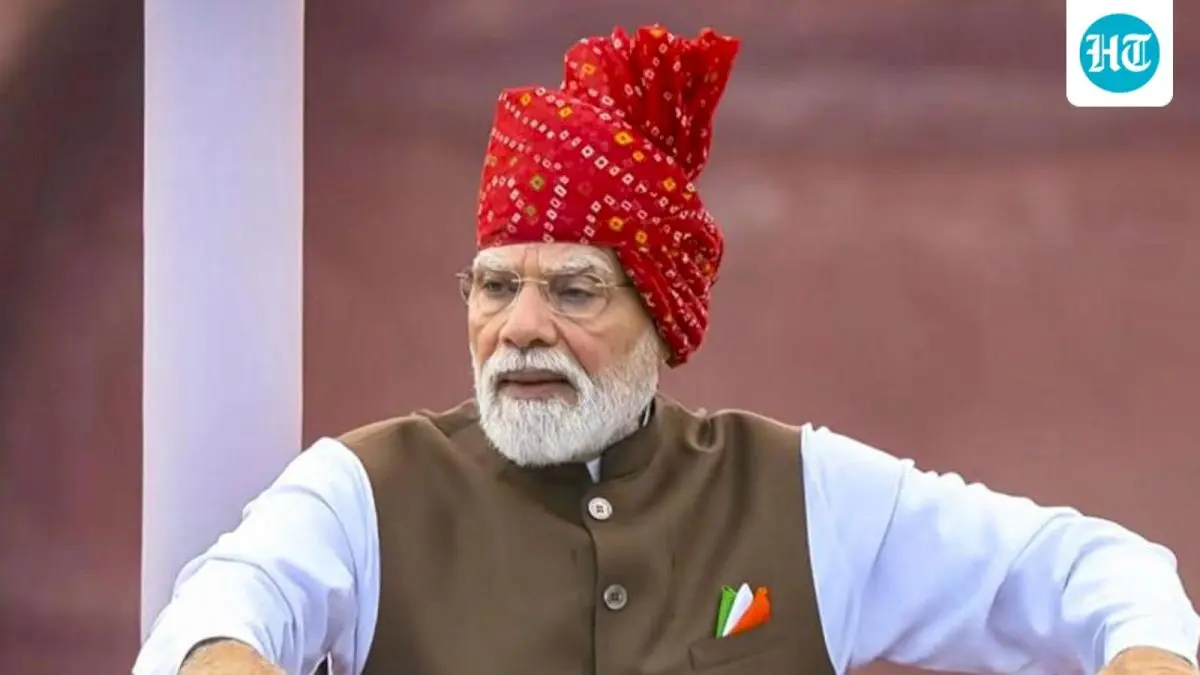
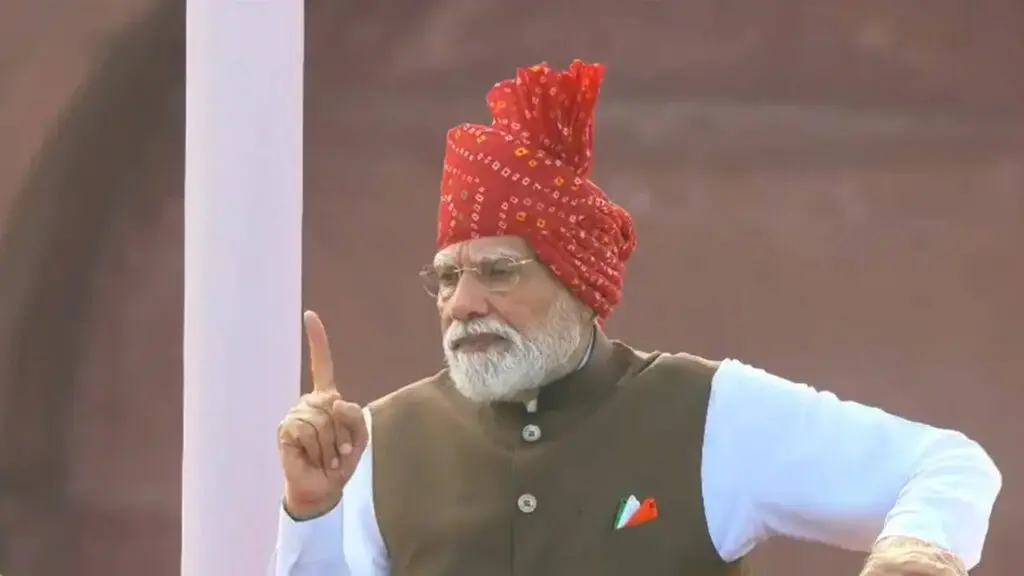
Prime Minister Narendra Modi, in his Independence Day address on Saturday, said armed Naxalism had been defeated but people with Maoist sympathies could still influence and “brainwash” young people. He called for…
The Story in Brief
Prime Minister Narendra Modi, in his Independence Day address on Saturday, said armed Naxalism had been defeated but people with Maoist sympathies could still influence and “brainwash” young people. He called for such “dimaagi Naxals” to be identified and isolated. Modi said Naxal violence had once affected more than 120 districts and claimed India was now Naxal-free, though security forces remain deployed in former hotspots. He also announced a modern civil defence volunteer network to prepare citizens for threats to infrastructure, banking and data centres. Congress general secretary Jairam Ramesh called the remark a “sure sign of desperation” and said Modi had earlier used the term “urban Naxals” for opponents.
The Indian Opinion
The speech turns a real security record into a broad political label. Claims that every critic is a Naxal are as careless as ignoring the violence that killed security personnel and damaged communities. The government must define what conduct qualifies as “dimaagi Naxal” before identification becomes a tool for silencing dissent. The concrete test is whether authorities publish clear criteria, evidence and legal outcomes, rather than relying on slogans from the Red Fort.
Sources (4): hindustantimes.com, indiatvnews.com, newindianexpress.com, timesnownews.com
This story was synthesised by AI from the 4 sources linked above.
Updated: this story now draws on 4 sources.