












Now Reading: Modi hails India’s first hydrogen train and full rail electrification
-
01
Modi hails India’s first hydrogen train and full rail electrification


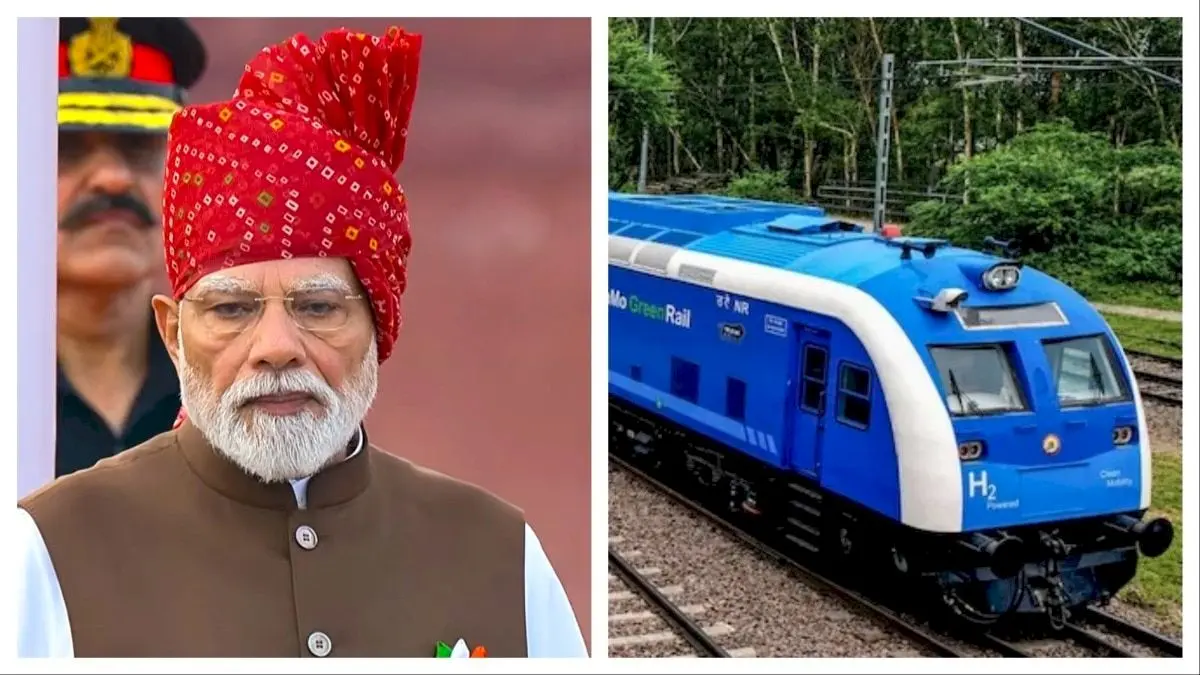
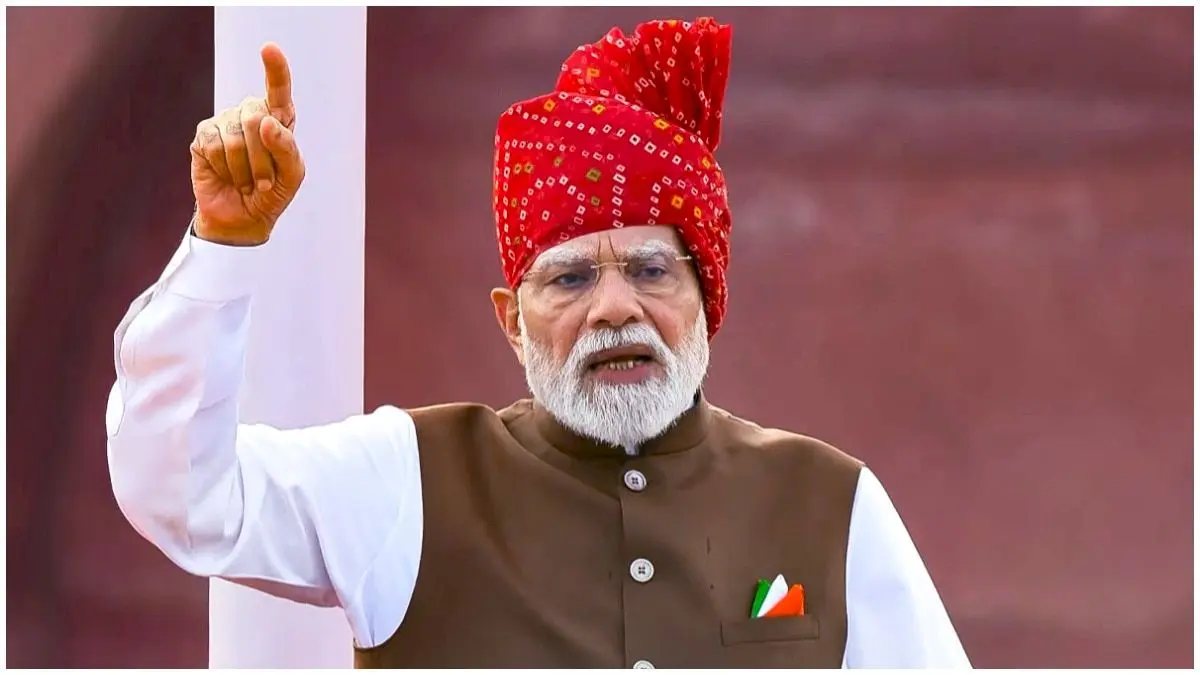
Prime Minister Narendra Modi on Saturday cited India’s first hydrogen-powered train and 100% railway electrification as milestones in cleaner energy and self-reliance. The 10-coach train, developed in India, carries around 2,600 passengers…
The Story in Brief
Prime Minister Narendra Modi on Saturday cited India’s first hydrogen-powered train and 100% railway electrification as milestones in cleaner energy and self-reliance. The 10-coach train, developed in India, carries around 2,600 passengers and generates electricity through a 1,200-kilowatt fuel cell. It is operating on the 89-km Jind-Sonipat route in Haryana, with a dedicated hydrogen facility at Jind. Its approved operational speed is 75 kmph.
Modi said rail electrification had reduced diesel imports and environmental costs. He also referred to plans to open 99% of previously restricted coastal areas for exploration, backed by an allocation of Rs 85,000 crore. He linked these measures to the government’s goal of a developed India by 2047.
The Indian Opinion
The easy narrative is that one hydrogen train proves India has solved clean transport, while the opposite claim would dismiss it as a publicity exercise. Neither follows from a single route. The useful test is whether the train runs reliably, hydrogen can be produced affordably, and the 89-km service expands without costly subsidies. Full electrification is a clearer achievement, but its gains should be measured through diesel savings and actual emissions data, not speeches alone.
Source: indiatoday.in
This story was synthesised by AI from the source linked above.