













Now Reading: Indian Railways plans 35 hydrogen trains, seeks cheaper green fuel
-
01
Indian Railways plans 35 hydrogen trains, seeks cheaper green fuel


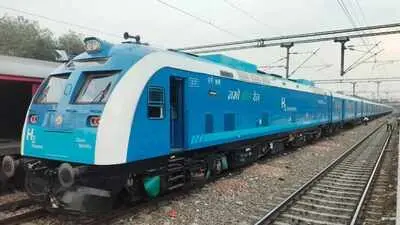
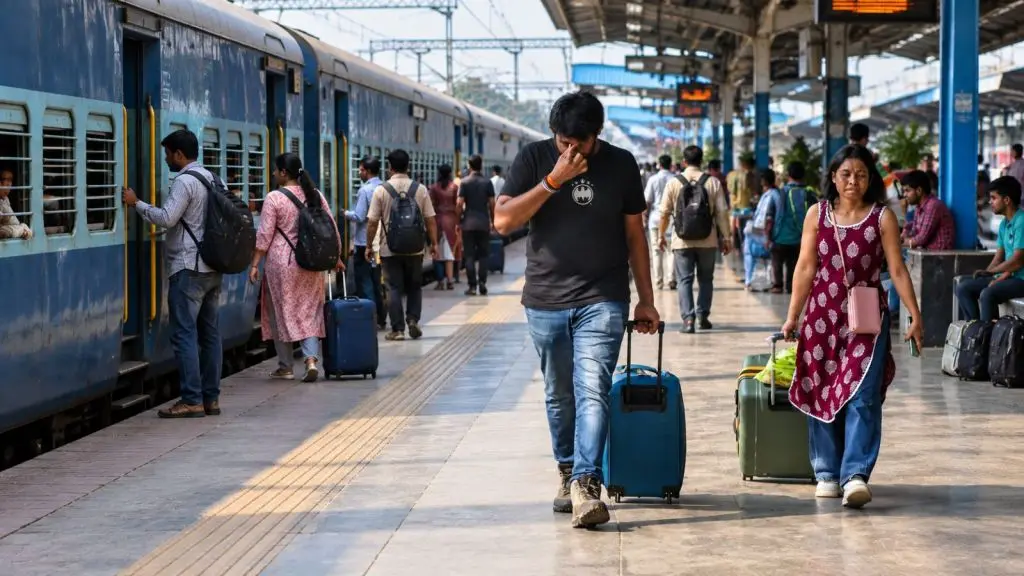
Within a month of launching India's first hydrogen-powered train, Indian Railways is seeking cheaper green hydrogen to expand the fleet. The initial target is to deploy 35 such trains on heritage routes where electrification is not feasible.
The government aims to produce 5 million metric tonnes of green hydrogen annually by 2030. In February, India achieved its lowest-ever price of Rs 279 per kg in a tender for Numaligarh Refinery in Assam.
India's hydrogen train has 10 coaches and a 3,200 HP propulsion system, making it the world's longest and most powerful hydrogen train. The National Green Hydrogen Mission has an outlay of Rs 17,490 crore through 2029-30.
Indian Opinion Analysis
The National Green Hydrogen Mission is central to India's decarbonisation push, but its Rs 17,490 crore outlay depends on cost falling. The Numaligarh tender price of Rs 279/kg is already below the global average of $5-6/kg, but hydrogen trains need at least Rs 150/kg to compete with electrified lines. Heritage routes in hill areas are a natural starting point because electrification there costs Rs 2-3 crore per km and damages fragile ecosystems, whereas a hydrogen train avoids overhead wires. The key number to watch is the next tender price: if it dips below Rs 200/kg, adoption beyond the 35-train target becomes viable.
Source: timesofindia.indiatimes.com
This story was synthesised by AI from the source linked above. Methodology and corrections.