

















Now Reading: Asafoetida’s Persian roots: a very Indian ingredient’s history
-
01
Asafoetida’s Persian roots: a very Indian ingredient’s history


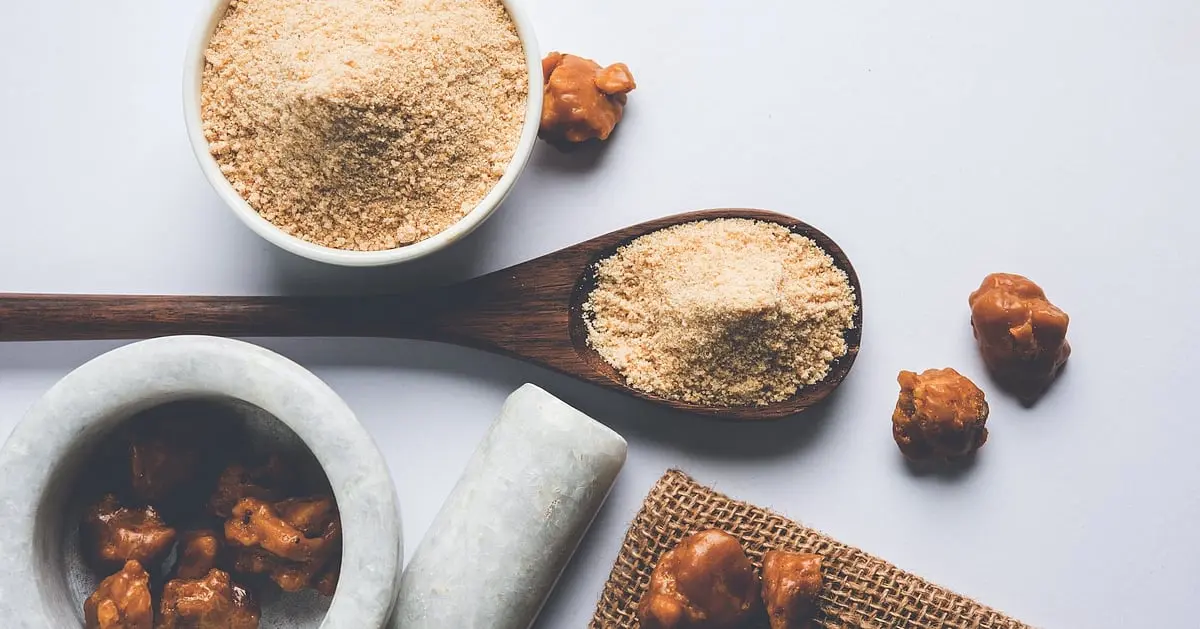
Asafoetida, or hing, a staple in Indian cooking, has origins far beyond the subcontinent. The resin comes from the Ferula assa-foetida plant, which is native to Iran, Afghanistan and parts of northern Kashmir. The word itself blends the Persian 'asa' (gum) with the Latin 'foetida' (foul-smelling).
According to the 19th-century book 'Pharmacographia', a 10th-century observer named Istakhri noted asafoetida was abundant in the desert between Sistan and Makran. The book also records that the best quality hing, called Kandahari-Hing, was once so rare in the Bombay market that only wealthy people could afford it. The earliest known sketch of its harvesting dates to the 18th century, by German naturalist Engelbert Kaempfer.
Indian Opinion Analysis
This origin story shows how deeply global trade shaped Indian cuisine long before modern supply chains. The plant is not cultivated in India today, nearly all hing is imported, mostly from Afghanistan and Iran. That dependency makes prices vulnerable to geopolitical tensions and crop failures in those regions. The Kandahari-Hing mentioned as a luxury in 19th-century Bombay remains the most prized grade, now often adulterated with cheaper resins or starch. A reader watching food inflation should note that any disruption in Afghan or Iranian exports directly affects the price of this essential kitchen ingredient.
Source: deccanherald.com
This story was synthesised by AI from the source linked above. Methodology and corrections.