












Now Reading: Mount Etna eruption suspends flights at Catania airport in Sicily
-
01
Mount Etna eruption suspends flights at Catania airport in Sicily

Mount Etna eruption suspends flights at Catania airport in Sicily


Mount Etna, Europe's tallest active volcano at 3,324 metres, erupted in Sicily on Saturday, spewing glowing ash and smoke that briefly suspended flight operations at Catania airport, a top Italian tourist destination.…
The Story in Brief
Mount Etna, Europe's tallest active volcano at 3,324 metres, erupted in Sicily on Saturday, spewing glowing ash and smoke that briefly suspended flight operations at Catania airport, a top Italian tourist destination. The airport authorised resumption of flights after the volcanic alert level was downgraded from RED to ORANGE, though operations were being restored gradually. Social media visuals showed huge plumes of smoke and ash rising from the summit, captured by webcams of the National Institute for Geophysics and Vulcanology.
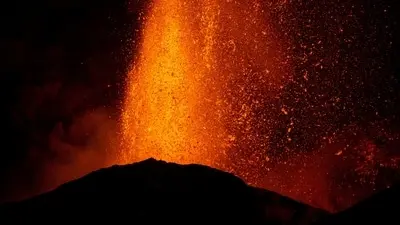
Mount Etna has erupted frequently over the past 500,000 years and is a UNESCO World Heritage Site. In a separate event, Guatemala's Fuego volcano erupted, forcing evacuation of at least 1,700 people. Mudflows descended up to 7 kilometres from the crater, but the eruption officially ended on Wednesday, according to Guatemala's Institute of Volcanology. During a previous eruption in June 2018, Fuego killed hundreds and destroyed a village.
The Indian Opinion
The coverage makes Etna's eruption sound like a disaster, but Catania airport resumed flights within hours after the alert was downgraded from RED to ORANGE. Tourists and locals are being fed a narrative of chaos, yet Etna has been erupting for half a million years and rarely disrupts daily life. The real test: will airport operations remain normal on Sunday when ash drift is expected to peak? Numbers from flight cancellations at Catania will tell if this is a genuine emergency or just another routine burp from Europe's tallest volcano.
Source: hindustantimes.com
This story was synthesised by AI from the source linked above.