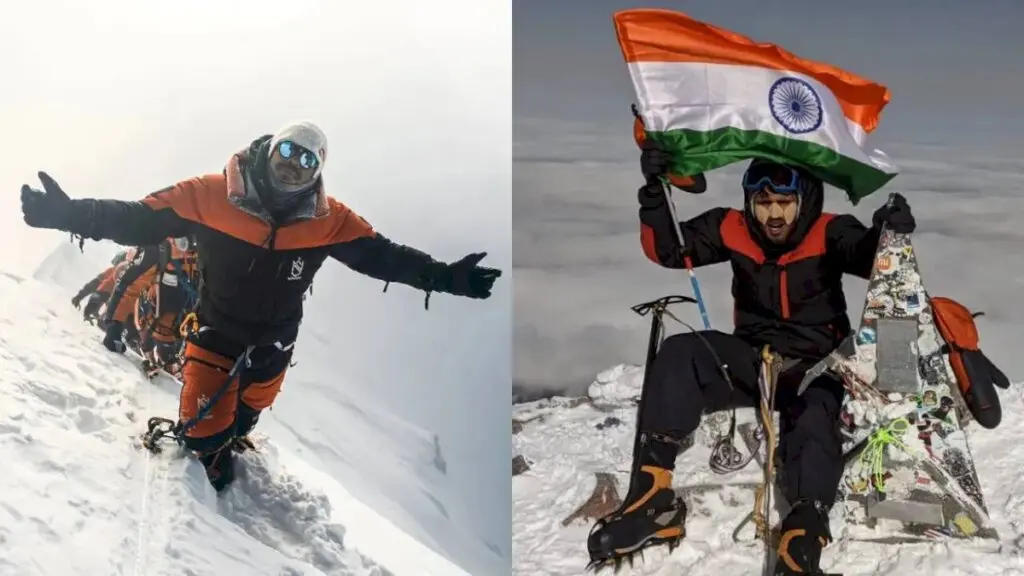









Now Reading: Nirmal Purja Dies in Broad Peak Avalanche in Pakistan-Occupied Kashmir
-
01
Nirmal Purja Dies in Broad Peak Avalanche in Pakistan-Occupied Kashmir


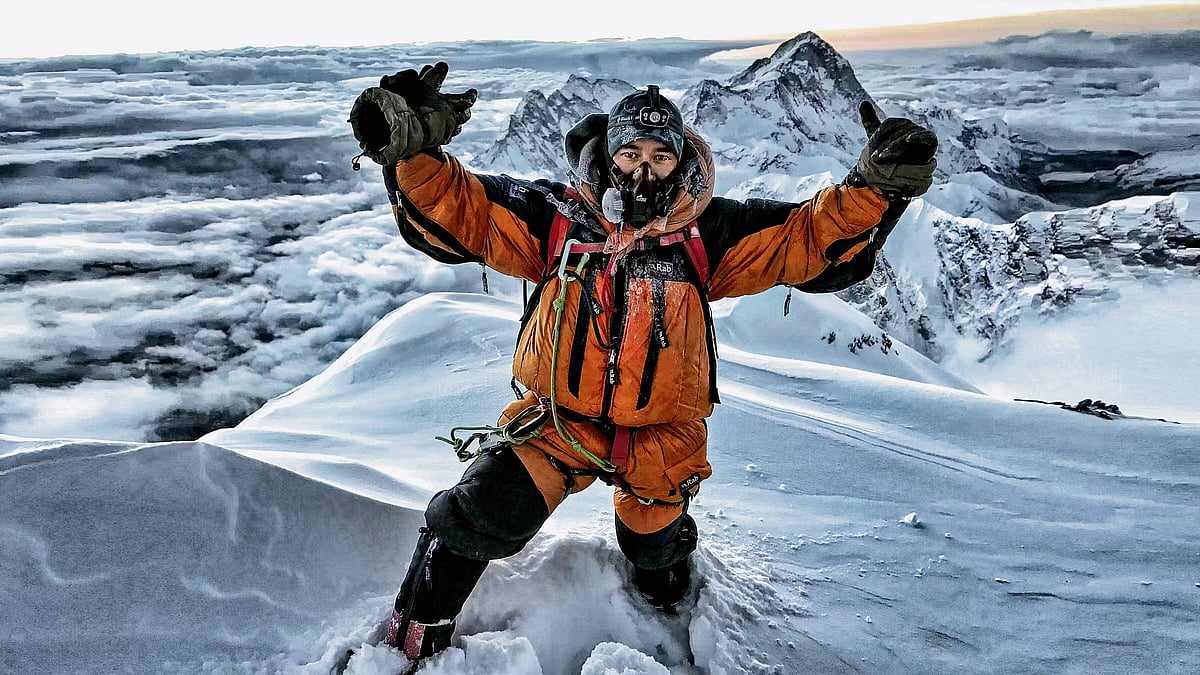
Mountaineer Nirmal Purja died on 30 July after an avalanche on Broad Peak in Pakistan-occupied Kashmir, and his body was recovered. NDTV reports that the bodies of Purja and four other climbers…
The Story in Brief
Mountaineer Nirmal Purja died on 30 July after an avalanche on Broad Peak in Pakistan-occupied Kashmir, and his body was recovered. NDTV reports that the bodies of Purja and four other climbers were airlifted from base camp to Skardu by Pakistan Army helicopters. The climbers included Chinese mountaineer Zhong Wang and Nepali climbers Nima Sherpa, Gyalu Sherpa and Kilu Sherpa.
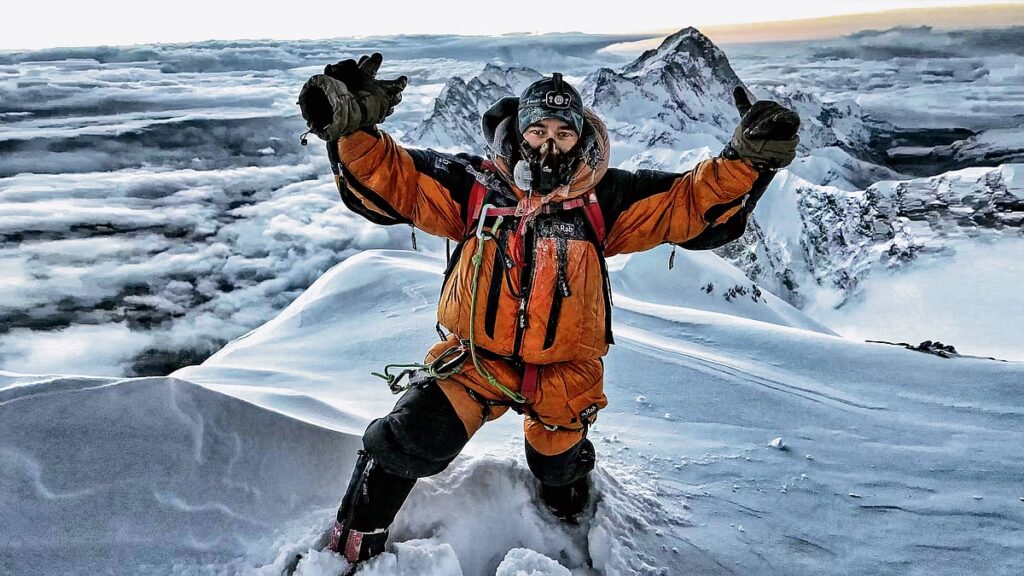
Purja, a former British Gurkha Brigade member and Royal Navy special forces serviceman, became famous after climbing all 14 eight-thousanders in six months and six days in 2019. The feat inspired the Netflix documentary 14 Peaks: Nothing Is Impossible. He was attempting the 14-peak set for a third time and had planned to climb Mount Vinson later this year.
The Indian Opinion
Tributes rightly recognise Purja’s discipline and influence, but some celebratory accounts can make extreme-altitude climbing seem like a test of will alone. The avalanche and the deaths of other climbers show the risks faced by entire expeditions. Claims about rescue efforts or records also need careful sourcing when access is limited by geography and politics. The clearest measure now is the verified account of how the avalanche unfolded and whether all missing climbers have been accounted for.
Sources (2): newindianexpress.com, ndtv.com
This story was synthesised by AI from the 2 sources linked above.
Updated: this story now draws on 2 sources.