















Now Reading: MRVC uses special drains to stabilise marshy soil on Virar-Dahanu rail line
-
01
MRVC uses special drains to stabilise marshy soil on Virar-Dahanu rail line

MRVC uses special drains to stabilise marshy soil on Virar-Dahanu rail line

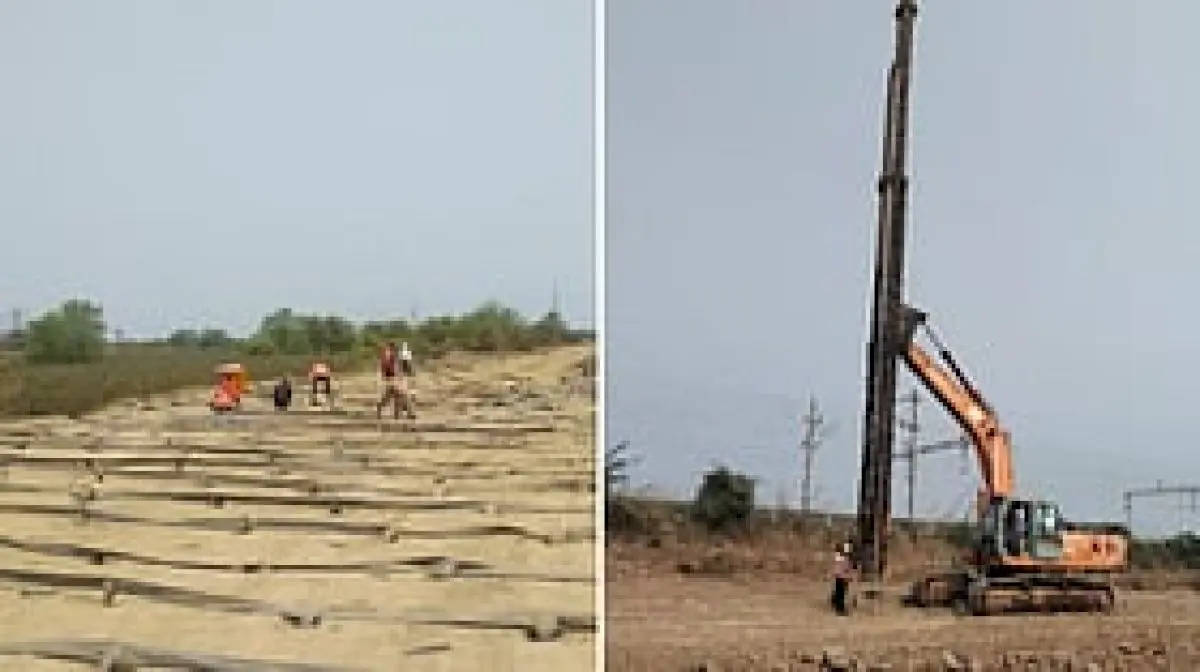
Mumbai Railway Vikas Corporation (MRVC) has turned to the Prefabricated Vertical Drain (PVD) method to tackle black cotton soil and marshy stretches on the Rs 3,578-crore Virar-Dahanu Road quadrupling project. The technique,…
The Story in Brief
Mumbai Railway Vikas Corporation (MRVC) has turned to the Prefabricated Vertical Drain (PVD) method to tackle black cotton soil and marshy stretches on the Rs 3,578-crore Virar-Dahanu Road quadrupling project. The technique, recommended by the Research Designs and Standards Organisation (RDSO), speeds up soil settlement from several years to under six months.
The ground improvement is critical on Wadhiv Island and near Bridges 92 and 93. As of July 2026, the project under MUTP-III has achieved 64% physical progress, with 30.35 lakh cubic metres of earthwork and new 15-car EMU services already running between Virar and Dahanu Road.
The Indian Opinion
Claims of cutting-edge engineering sound impressive, but the real test will be whether the PVD method prevents track sinking in Mumbai's infamous black cotton soil over the next monsoon. MRVC has history with delays; 64% progress in a project costed at Rs 3,578 crore means a lot of money and time still at stake. The question: can they commission the full quadrupling without repeated maintenance shutdowns? Watch for settlement data six months after trains begin full operations.
Source: freepressjournal.in
This story was synthesised by AI from the source linked above.