














Now Reading: Mumbai churches seek written declarations as Maharashtra anti-conversion law kicks in
-
01
Mumbai churches seek written declarations as Maharashtra anti-conversion law kicks in

Mumbai churches seek written declarations as Maharashtra anti-conversion law kicks in

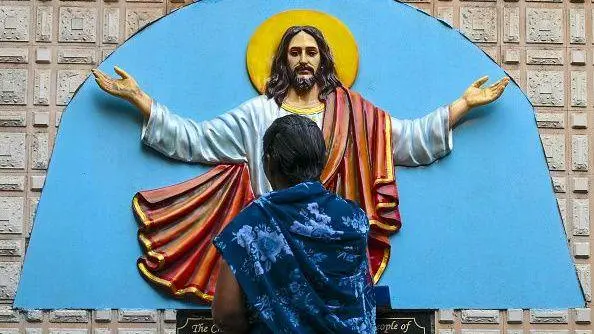
Some churches in and around Mumbai have begun asking worshippers to sign a declaration stating "I came here to pray of my own free will" after Maharashtra's new anti-conversion law took effect.…
Some churches in and around Mumbai have begun asking worshippers to sign a declaration stating "I came here to pray of my own free will" after Maharashtra's new anti-conversion law took effect. The Maharashtra Freedom of Religion Act 2026, notified in the gazette on July 30, penalises conversions through force, coercion, fraud, or inducement with prison terms of up to seven years for first offences and ten for repeat offences. Converts must notify the district magistrate 60 days in advance.
The BBC reports that the practice started in late August, with churches keeping the forms even though they have no official standing. Critics say the law's broad definitions risk drawing police into private matters of prayer and belief. The state government says it protects vulnerable people from forced conversion. Maharashtra joins Madhya Pradesh, Uttar Pradesh and other states with similar laws, several of which are being challenged in the Supreme Court.
Indian Opinion Analysis
BBC reports churches now require written declarations from worshippers, a specific adaptation to Maharashtra's anti-conversion law that became effective after presidential assent, as detailed by ABP Live. BBC foregrounds Christian community anxiety and the experiences of legal aid workers, while ABP Live delivers a procedural account of the law's penalties and notification requirements. BBC adds context on disrupted prayer meetings and right-wing group allegations, which ABP Live omits. Both report the same core facts, but BBC's framing centres on the law's impact on minority worship and potential for coercion accusations, whereas ABP Live treats it as a straightforward legal development. The key gap is the lack of official data on complaints filed or arrests under the new law, which will test whether critics' harassment fears or the government's protection rationale is borne out.
Coverage: 2 sources, 1 government-critical, 1 neutral
Sources (2): bbc.co.uk (government critical), news.abplive.com (neutral report)
This brief was synthesised by AI from the 2 sources linked above, so one read covers every framing they carry.