













Now Reading: Muslim representation in High Courts, Supreme Court sharply low
-
01
Muslim representation in High Courts, Supreme Court sharply low


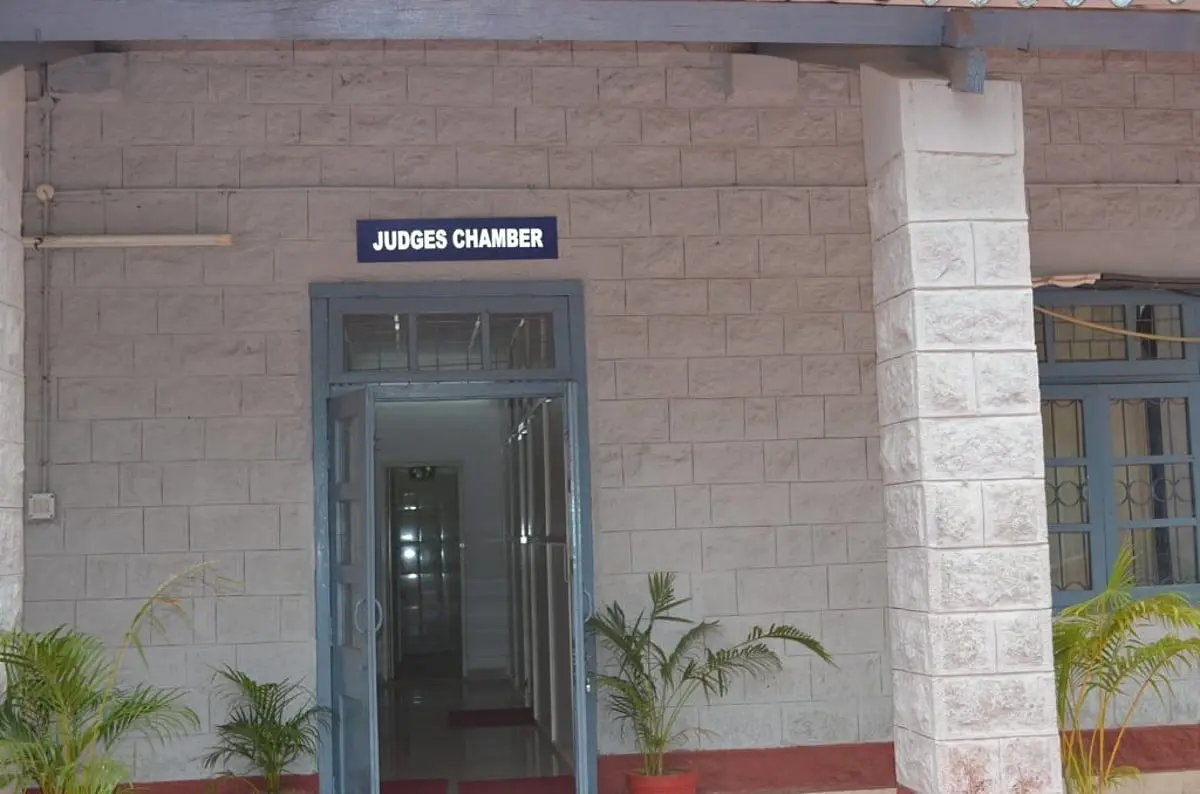
An article on Bar and Bench has highlighted the severe under-representation of Muslims among judges directly appointed from the Bar to India's constitutional courts. Citing data from High Court websites, the piece notes that 14 High Courts have no Muslim judge among a total of 232 lawyers appointed as judges. In the Supreme Court, with a current working strength of 34 judges, there is only one Muslim judge, and the court has not had a Sikh judge in a long time.
The article focuses on judges elevated from the Bar, excluding those from the district judiciary. It states that High Courts in Delhi, Calcutta, Gujarat, Madhya Pradesh, Andhra Pradesh, Punjab and Haryana, Orissa, Chhattisgarh, Jharkhand, Himachal Pradesh and Uttarakhand have no serving Muslim judge appointed from the Bar. The piece argues that the Collegium system, which initiates and recommends appointments, should consider diversity, as the government's role in the process is limited.
The author, identified as raising the concern of Muslim representation, says Indian Muslims largely feel they do not get equal protection from institutional mechanisms. The article notes that a parliamentary attempt to raise the issue of exclusion in judicial appointments drew no response from the government.
Indian Opinion Analysis
The data in the piece underscores a long-standing diversity deficit in India's higher judiciary, a concern the Supreme Court itself has acknowledged in past judgments on affirmative action and judicial appointments. The Collegium system, which the article critiques, was designed to insulate appointments from executive influence but has faced repeated criticism for opacity and lack of transparency. The government, while formally having a limited role, can delay or return recommendations, creating a dynamic where neither arm takes clear responsibility for diversity. With only one Muslim judge on the Supreme Court bench and none in many High Courts, the question of how the Collegium will address this imbalance remains open. The next step is whether the issue is raised again in Parliament or if a representation is made to the Chief Justice of India.
The closest precedent is the 1993 Supreme Court judgment in the Second Judges Case, which established the Collegium's primacy, and the 2015 National Judicial Appointments Commission (NJAC) Act, which was struck down by the court.
Source: barandbench.com
This brief was synthesised by AI from the source linked above. Methodology and corrections.