







Now Reading: Centre Opposes Creamy Layer Exclusion for SC, ST Quotas
-
01
Centre Opposes Creamy Layer Exclusion for SC, ST Quotas


The Centre has told the Supreme Court that the creamy layer principle does not apply to reservation for Scheduled Castes and Scheduled Tribes in government jobs and educational institutions. It opposed public…
The Story in Brief
The Centre has told the Supreme Court that the creamy layer principle does not apply to reservation for Scheduled Castes and Scheduled Tribes in government jobs and educational institutions. It opposed public interest litigations seeking income-based preferences within reserved categories, saying any policy change needs a holistic review, socio-economic data and legislative action.
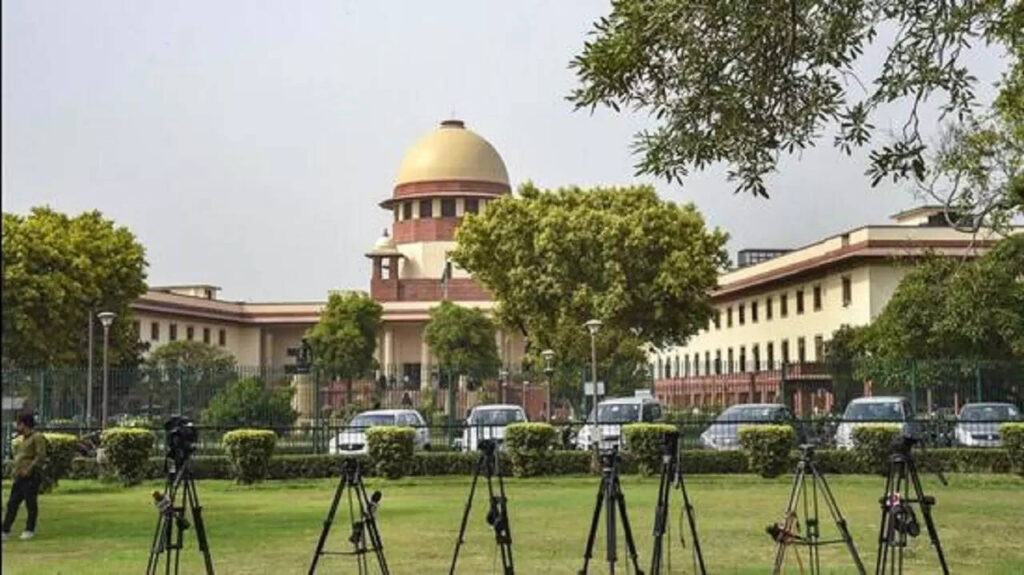
The Times of India reports that a seven-judge Supreme Court verdict on August 1, 2024, allowed states to sub-categorise SC communities and asked governments to frame criteria to exclude the creamy layer. The Centre’s affidavit cites an earlier Constitution bench ruling, saying the principle applies to OBCs and SEBCs, not SCs or STs. It also said Parliament alone can alter the notified SC and ST lists.

The Indian Opinion
The lazy claim that reservation is simply an income-support scheme misses the Centre’s argument that caste-based discrimination does not disappear with earnings. The opposite claim, that economic status never matters, is also too broad: the government itself accepts means tests in most welfare schemes. The real test is whether any exclusion rule rests on sound data and survives constitutional scrutiny. The Supreme Court’s final treatment of its 2024 direction will settle how far states can act.
Sources (2): timesnownews.com, timesofindia.indiatimes.com
This story was synthesised by AI from the 2 sources linked above.
Updated: this story now draws on 2 sources.