





Now Reading: Supreme Court reserves order on Tamil Nadu quota for Muslim converts
-
01
Supreme Court reserves order on Tamil Nadu quota for Muslim converts


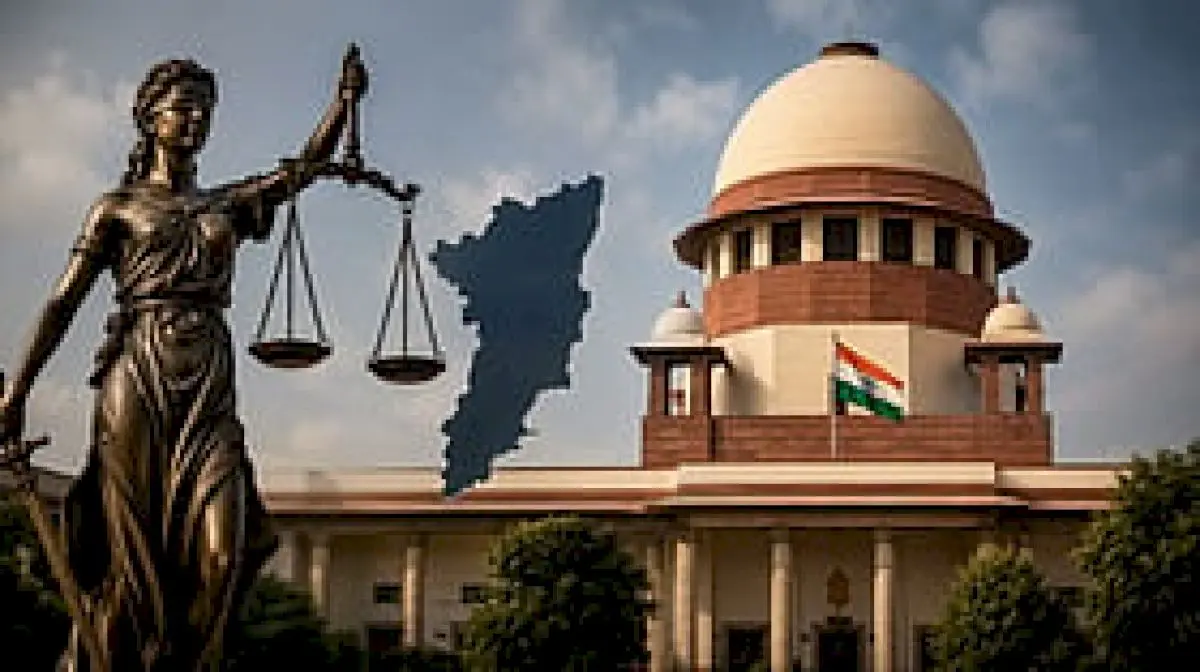
The Supreme Court has reserved its verdict on the Tamil Nadu government's challenge to a Madras High Court order that ruled a person converting to Islam cannot claim Backward Class (Muslim) reservation…
The Story in Brief
The Supreme Court has reserved its verdict on the Tamil Nadu government's challenge to a Madras High Court order that ruled a person converting to Islam cannot claim Backward Class (Muslim) reservation solely on the basis of conversion. A bench of Justices Prashant Kumar Mishra and Shree Chandrashekhar heard the state's arguments on Friday.
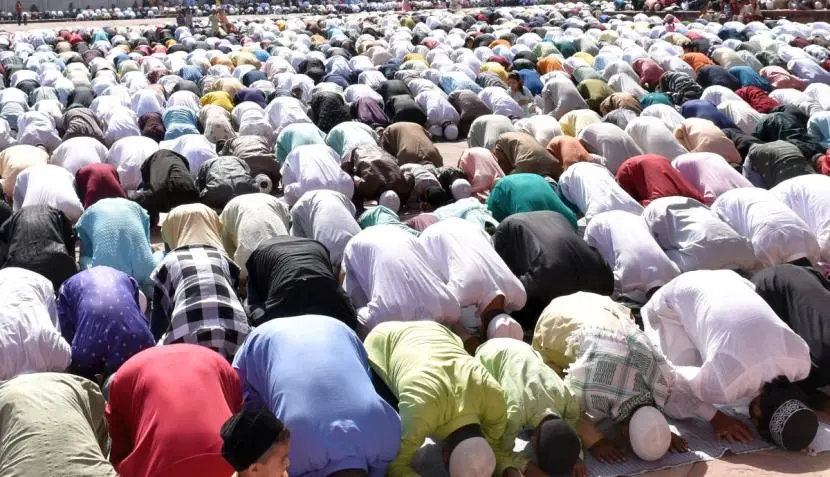
Senior advocates Mukul Rohatgi and Siddharth Luthra argued that the March 9, 2024 government order was meant to ensure socially and educationally backward communities do not lose reservation benefits after converting to Islam. The high court had declared the order unconstitutional in June, ruling it violated judicial precedents. The case stems from a 2015 convert, Sameer Ahamed, who sought a Muslim Labbai community certificate.
The Indian Opinion
The loudest voices frame this as either religious discrimination or a threat to caste-based reservation. Both sides oversimplify. The Madras High Court struck down the state's order citing binding precedents that say conversion alone cannot preserve a caste-based benefit. The state counters that its Backward Classes Commission recommended the policy to protect the genuinely backward. The real test lies not in slogans but in data: does the Tamil Nadu order actually target only those communities that were backward before conversion, or does it create a blanket entitlement? The Supreme Court's reasoning on that fine line will matter more than any headline.
Sources (2): deccanherald.com, rediff.com
This story was synthesised by AI from the 2 sources linked above.
Updated: this story now draws on 2 sources.