

















Now Reading: Neena Gupta cracks 70-year-old maths problem, makes TIME100 Next
-
01
Neena Gupta cracks 70-year-old maths problem, makes TIME100 Next



The Story in Brief
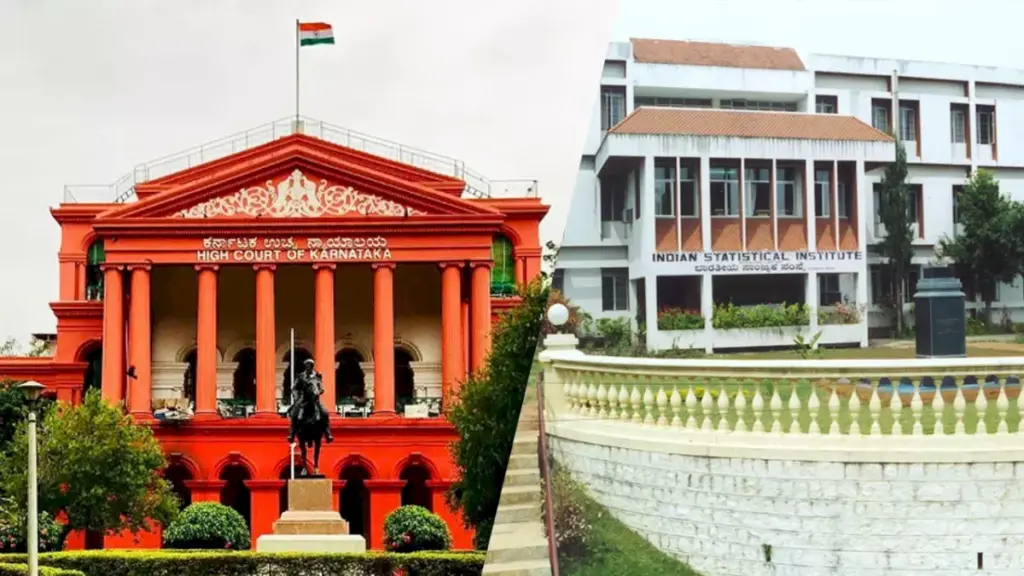
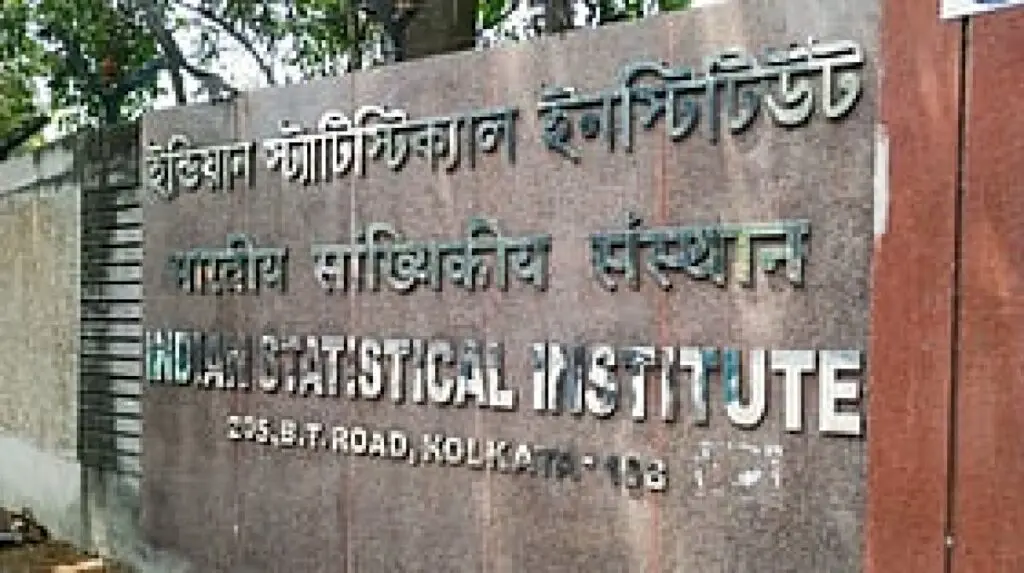
Kolkata mathematician Neena Gupta, a professor at the Indian Statistical Institute, has been named in the TIME100 Next India 2026 list after solving a version of the Zariski Cancellation Problem, first posed in 1949. Her 2014 counterexample showed that two mathematical structures can become identical when a dimension is added even if they were not identical originally, a finding in algebraic geometry that ended decades of investigation.
Gupta earned several honours for the work, including the Shanti Swarup Bhatnagar Prize in 2019 and the Infosys Prize in 2024. She received the Ramanujan Prize in 2021, the Nari Shakti Puraskar in 2022, and in 2025 delivered the Emmy Noether Lecture. The TIME list recognises emerging Indian leaders across fields.
Indian Opinion Analysis
Both outlets report the same facts in a uniformly neutral style. Indianexpress.com leads with the TIME listing and notes Gupta’s 2014 breakthrough, while Times of India opens with the 1949 problem and names her category as Health and Science Innovators. Neither source editorialises or frames the story politically. The coverage is straight reportage focused on the scientific achievement and the award. The only notable difference is depth: Times of India adds her birth year, childhood background, and a note about being the only woman in her class. The consensus reading is that Gupta’s inclusion is a merit-based recognition for fundamental research. No government or political angle is present in either text.
Coverage: 2 sources, 2 neutral
Sources (2): indianexpress.com (neutral report), timesofindia.indiatimes.com (neutral report)
This brief was synthesised by AI from the 2 sources linked above, so one read covers every framing they carry. Methodology and corrections.