












Now Reading: ISI Bill 2026 faces opposition from faculty, MPs over autonomy fears
-
01
ISI Bill 2026 faces opposition from faculty, MPs over autonomy fears


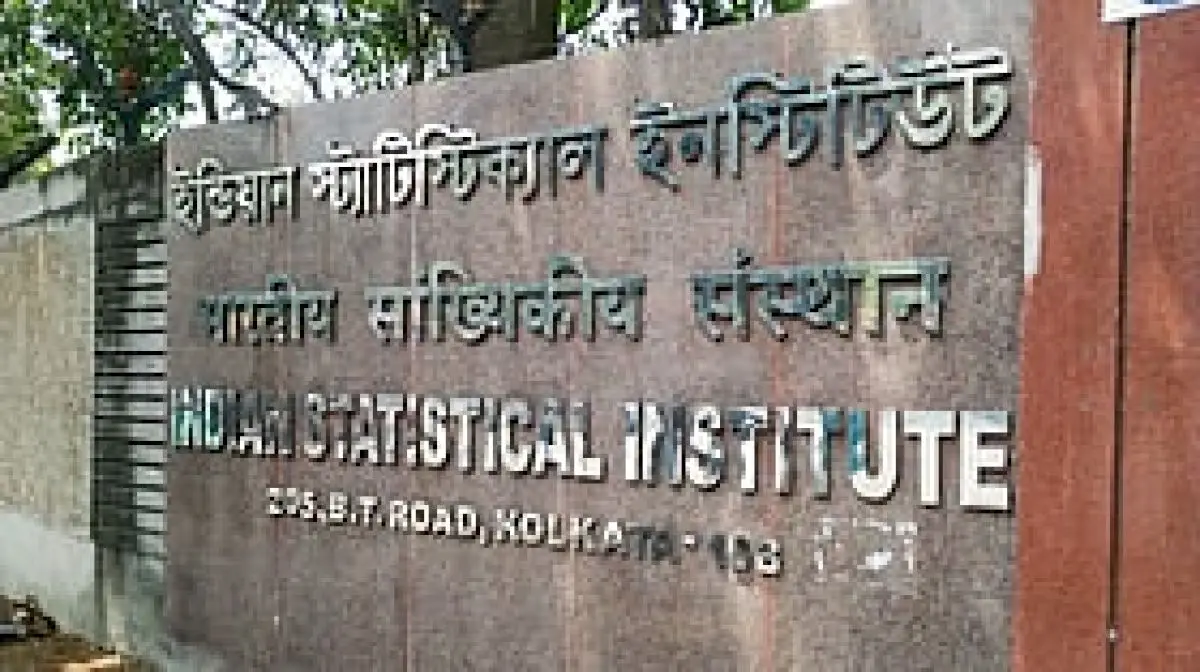
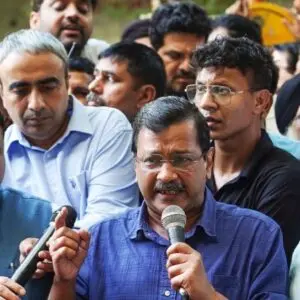
Minister Rao Inderjit Singh introduced the Indian Statistical Institute (ISI) Bill, 2026, in Parliament on 3 August, prompting immediate pushback. At a press conference in Delhi on 5 August, faculty members and…
The Story in Brief
Minister Rao Inderjit Singh introduced the Indian Statistical Institute (ISI) Bill, 2026, in Parliament on 3 August, prompting immediate pushback. At a press conference in Delhi on 5 August, faculty members and Opposition MPs warned the Bill would strip ISI of its autonomy, internal democracy, and accountability, turning it into an arm of the central government. They demanded the Bill be referred to a Parliamentary Standing Committee and that wider consultations be held with faculty, students, alumni, and the scientific community.
The proposed law repeals the 1959 ISI Act, restructures the institute’s unique fee-free programmes for traditional courses, and obliges ISI to align its activities with the government’s Viksit Bharat vision. Faculty fear this could end the free-courses-and-stipend regime, making basic programmes inaccessible for meritorious students. The government defends the Bill as a move to unlock growth and end the dominance of a few hundred members in the ISI Society, National Herald reports.
The Indian Opinion
Both sides in the ISI Bill debate risk overstating their case. Opposition cries of a 'conspiracy' to end autonomy ignore that the government has offered a rationale: ending the sway of a tiny, unrepresentative society. But the government’s claim of giving 'greater autonomy' to a new board rings hollow when the Bill explicitly ties ISI’s mission to a political slogan like Viksit Bharat. The real test is simple: will the government accept the Opposition’s demand to send the Bill to a standing committee for scrutiny? Watch for that move in the coming weeks.
Source: nationalheraldindia.com
This story was synthesised by AI from the source linked above.