











Now Reading: NEET-UG 2026 counselling gets one-time physical reporting rule
-
01
NEET-UG 2026 counselling gets one-time physical reporting rule


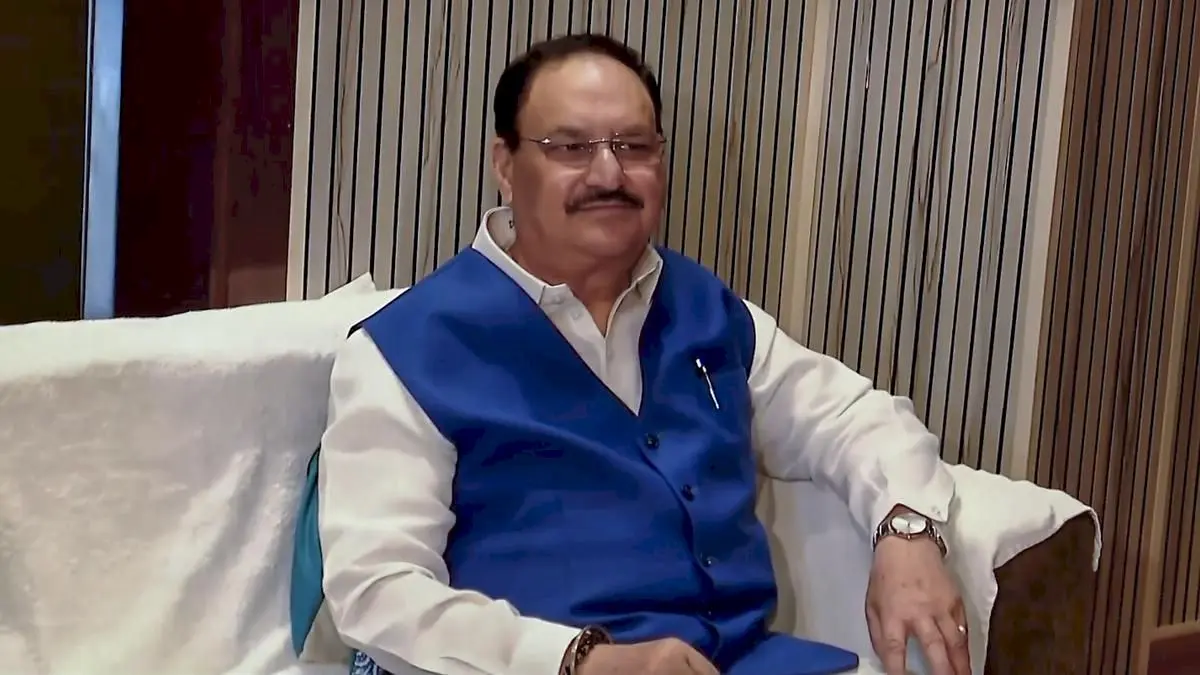
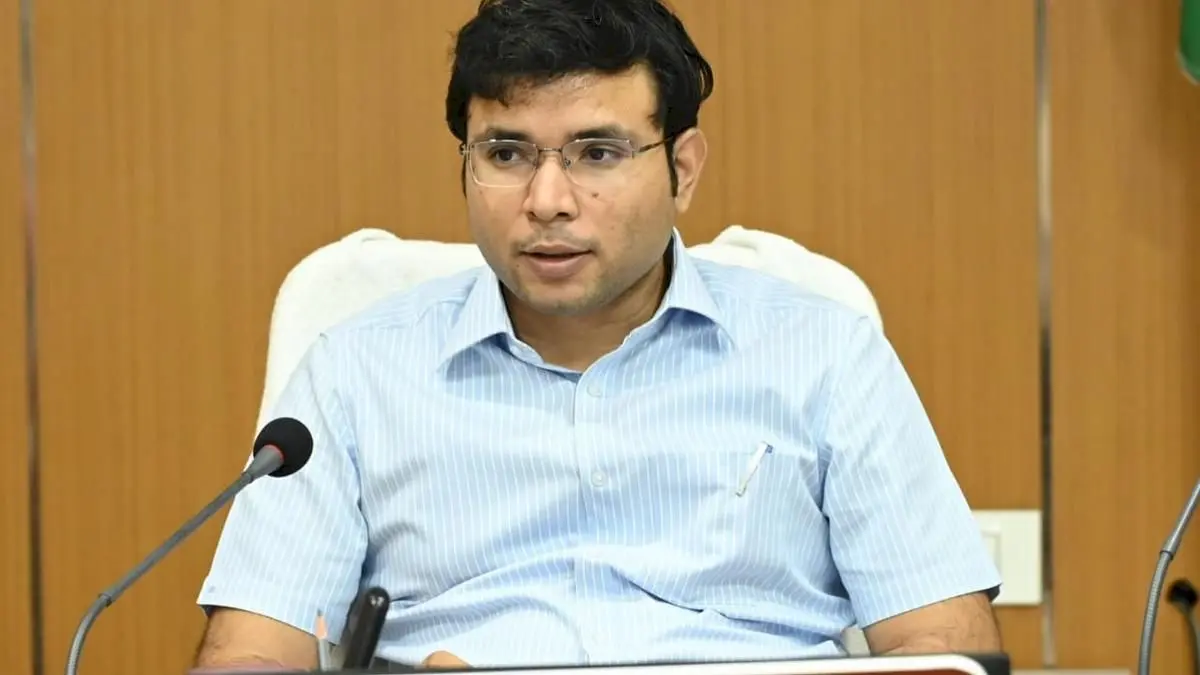
Union Health Minister J.P. Nadda on Tuesday reviewed preparations for the NEET-UG 2026 counselling process and announced several technology-driven reforms. The new framework introduces a one-time physical reporting system, reducing repeated visits…
The Story in Brief
Union Health Minister J.P. Nadda on Tuesday reviewed preparations for the NEET-UG 2026 counselling process and announced several technology-driven reforms. The new framework introduces a one-time physical reporting system, reducing repeated visits by candidates. After seat allotment, candidates can choose between a Freeze option, requiring physical reporting for document verification and fee payment, or a Float option, which allows online completion of formalities while retaining a provisional seat for possible upgradation in later rounds.
The upgradation facility will be available up to the third counselling round. The revised process also includes an online resignation facility, pre-populated candidate data from the NTA, and complete digitisation of NRI category admissions. Special provisions have been made for Persons with Benchmark Disabilities (PwBD). The Ministry believes these steps will enhance transparency, reduce travel, and simplify the overall admission process for students.
The Indian Opinion
The Health Ministry claims these reforms will make the NEET counselling process simpler and more transparent, but the real test will be in execution. Past experience shows that online portals crash under load, document verification gets stuck, and helplines remain unreachable. The claim of one-time reporting sounds good on paper, but will the institutes and the MCC portal actually handle the volume? If the system fails even once during the peak rounds, the convenience promised will turn into chaos for lakhs of students.
Source: thehindu.com
This story was synthesised by AI from the source linked above.