









Now Reading: Nevada tungsten find worth $152 billion, but Nasa blocks mining
-
01
Nevada tungsten find worth $152 billion, but Nasa blocks mining


3 Proton Lithium says its Railroad Valley project in Nevada contains an inferred 1.78 million tonnes of tungsten, valued at roughly $152 billion. If confirmed, it would be the largest known US…
The Story in Brief
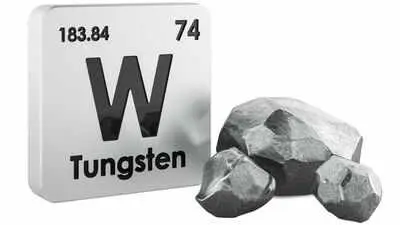
3 Proton Lithium says its Railroad Valley project in Nevada contains an inferred 1.78 million tonnes of tungsten, valued at roughly $152 billion. If confirmed, it would be the largest known US tungsten deposit, five times bigger than the next largest, reports Mining.com. China produces 80% of global tungsten, which is used in defence and aerospace. The US stopped commercial mining a decade ago, making this find strategically important.
However, Nasa has blocked exploration on 17 square miles of the site to protect satellite calibration work. The Bureau of Land Management withdrew the land from new mining in 2023 at Nasa's request, leaving part of the deposit untested. The company has raised $50 million and is lobbying the Trump administration to reverse the restriction, arguing mining and calibration can coexist.
The Indian Opinion
The story pits national security against space calibration, but lazy narratives on both sides miss the nuance. One side portrays Nasa as a bureaucratic obstacle to critical minerals; the other paints miners as reckless despoilers of science. The truth is more mundane: the tungsten is an inferred resource, not a proven reserve, and the restricted area may or may not hold significant ore. The real test will come when 3 Proton Lithium completes its drilling and economic studies outside the Nasa zone. If the resource remains uneconomical there, the fuss over the restriction is academic. The question is whether the company can prove its case with data, not rhetoric.
Source: timesofindia.indiatimes.com
This story was synthesised by AI from the source linked above.
Updated: this story now draws on 1 sources.