













Now Reading: New book traces dog’s gaze in art across centuries
-
01
New book traces dog’s gaze in art across centuries


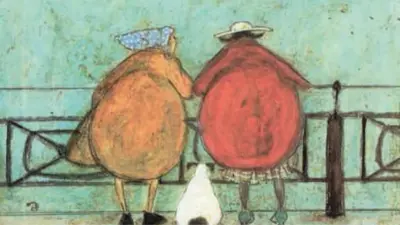
Thomas W Laqueur's 'The Dog's Gaze: A Visual History' examines 250 paintings spanning the Renaissance to the 20th century, arguing that the dog's gaze in art serves as a companion, witness, and…
The Story in Brief
Thomas W Laqueur's 'The Dog's Gaze: A Visual History' examines 250 paintings spanning the Renaissance to the 20th century, arguing that the dog's gaze in art serves as a companion, witness, and moral compass for humans. The earliest evidence of dog-human companionship dates back 26,000 years to pawprints in France's Chauvet cave, the book notes.
Laqueur extends Adam Smith's theory of moral bonds to suggest dogs act as they do because they feel the same way humans do. The book claims the dog's gaze fulfills the human need to have someone bear witness to our lives, though it acknowledges that art has never depicted human brutality toward dogs.
The Indian Opinion
The book glorifies the dog as a universal witness, but the art it examines is almost entirely Western. An Indian reader might ask where the pariah dogs of our streets, or the temple hounds of Khajuraho, appear in this visual history. The real test is whether human cruelty to dogs, which the author admits art avoids, will be addressed in a follow-up volume that widens the frame.
Source: timesofindia.indiatimes.com
This story was synthesised by AI from the source linked above.