













Now Reading: New Jersey starts 112-acre forest wetland restoration along Raritan River
-
01
New Jersey starts 112-acre forest wetland restoration along Raritan River

New Jersey starts 112-acre forest wetland restoration along Raritan River


A 112-acre restoration project has begun along the Raritan River in New Jersey to convert retired agricultural fields into forested and scrub-shrub floodplain habitat, compensating for contamination from the American Cyanamid Superfund…
The Story in Brief
A 112-acre restoration project has begun along the Raritan River in New Jersey to convert retired agricultural fields into forested and scrub-shrub floodplain habitat, compensating for contamination from the American Cyanamid Superfund Site, the US Fish and Wildlife Service said. The project on land owned by Duke Farms will plant about 50,000 native trees and shrubs, control invasive plants, create three acres of vernal pools, and install a deer fence.
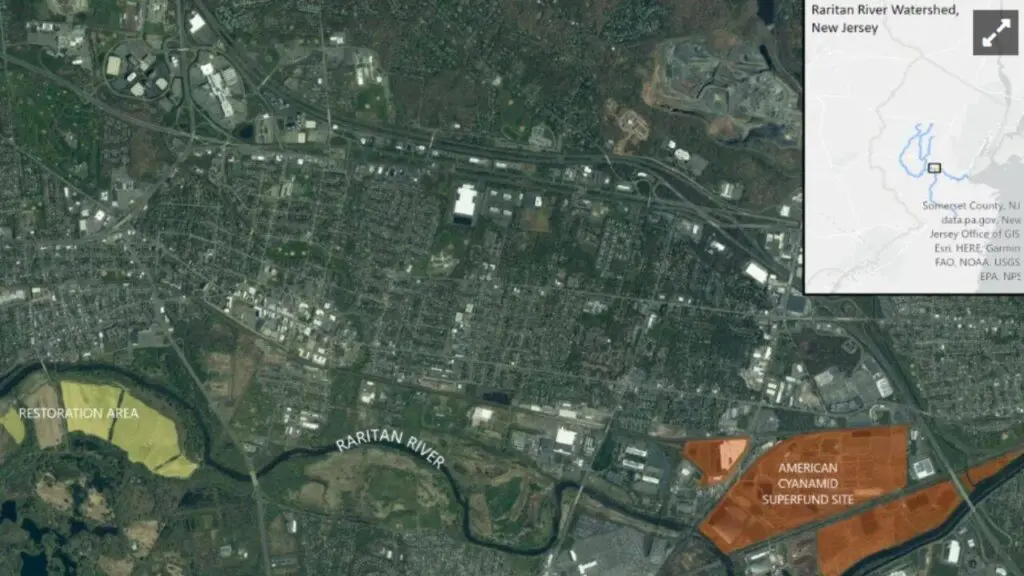
The work follows a settlement finalised on July 16, 2024, between the US Department of Justice, New Jersey and Wyeth Holdings LLC. The restoration includes 15 years of monitoring and adaptive management. Floodplain forests, among the most biologically diverse habitats in the region, are expected to benefit birds, bats and amphibians, while also improving water quality and flood storage.
The Indian Opinion
For an Indian reader, this project is a reminder that environmental remediation often takes decades and involves lengthy legal settlements. The focus on monitoring for 15 years shows commitment, but the real test will be whether the restored habitat functions as a fully self-sustaining ecosystem. American taxpayers and the responsible company are footing the bill, which prompts a pointed question: how many of India's own contaminated river stretches have a similar restoration plan with binding deadlines?
Source: timesofindia.indiatimes.com
This story was synthesised by AI from the source linked above.