










Now Reading: Tata Trusts begin search for new chairman after Chandrasekaran exit
-
01
Tata Trusts begin search for new chairman after Chandrasekaran exit


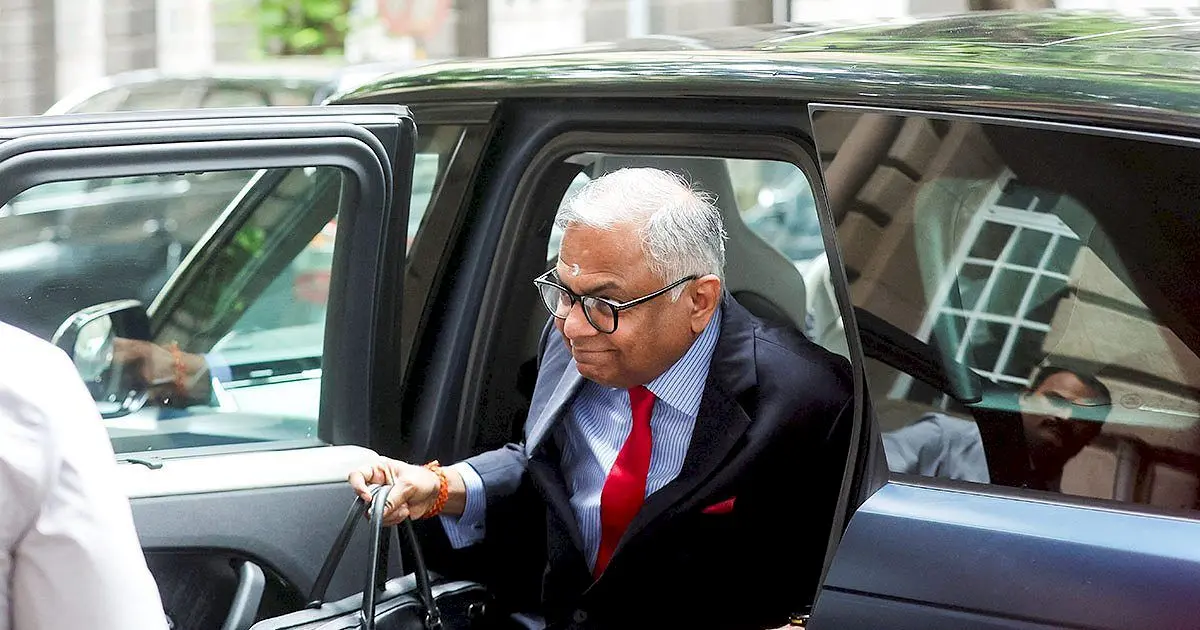
N Chandrasekaran has ended a six-month impasse by declining to seek a third term as Tata Sons chairman. The Sir Dorabji Tata Trust has passed a resolution to set up a selection…
The Story in Brief
N Chandrasekaran has ended a six-month impasse by declining to seek a third term as Tata Sons chairman. The Sir Dorabji Tata Trust has passed a resolution to set up a selection committee and said it will ensure a smooth leadership transition. Chandrasekaran's reappointment was blocked in February by one board member, despite support from the Trusts and the board's nomination committee. Noel Tata, chairman of Tata Trusts, had sought assurances on strategy and the Shapoorji Pallonji exit, Business Today reports. Rediff.com quotes a professor saying the next chairman inherits unresolved governance issues and a threat to TCS's cash engine.
The Indian Opinion
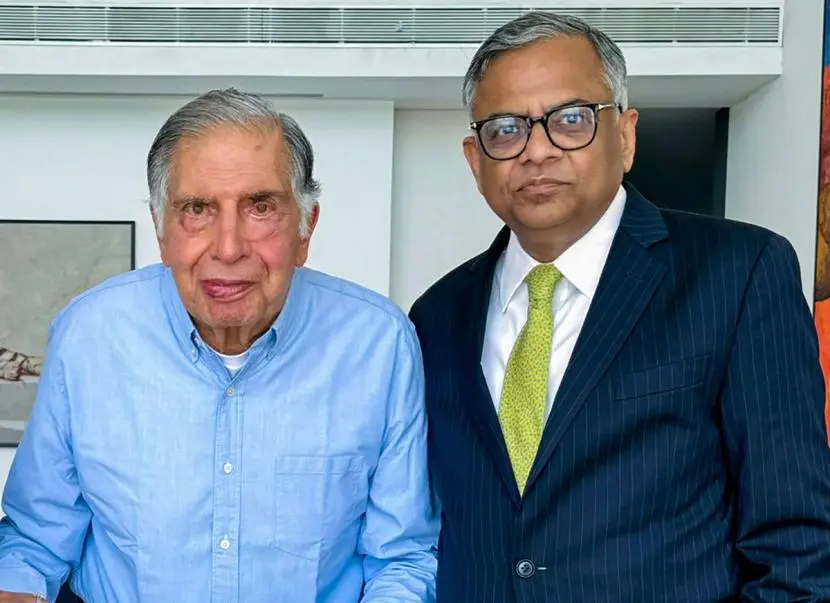
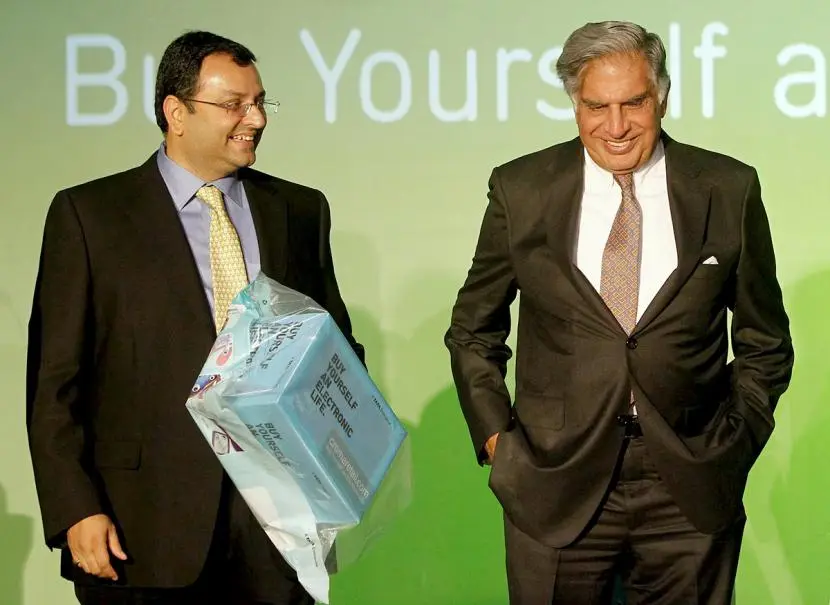
Some commentators see a governance crisis triggered by Ratan Tata's death. But the Trusts have moved quickly to set up a selection committee, and Chandrasekaran's decade was largely one of stability and scale. The real test lies ahead: can the committee find a candidate acceptable to both the Trusts and the Tata Sons board? The key number to watch is whether the new chairman can resolve the Shapoorji Pallonji exit without forcing a Tata Sons listing.
Sources (2): rediff.com, businesstoday.in
This story was synthesised by AI from the 2 sources linked above.
Updated: this story now draws on 2 sources.