










Now Reading: NHAI mandates independent design checks for bridges from 1 December
-
01
NHAI mandates independent design checks for bridges from 1 December



The Story in Brief
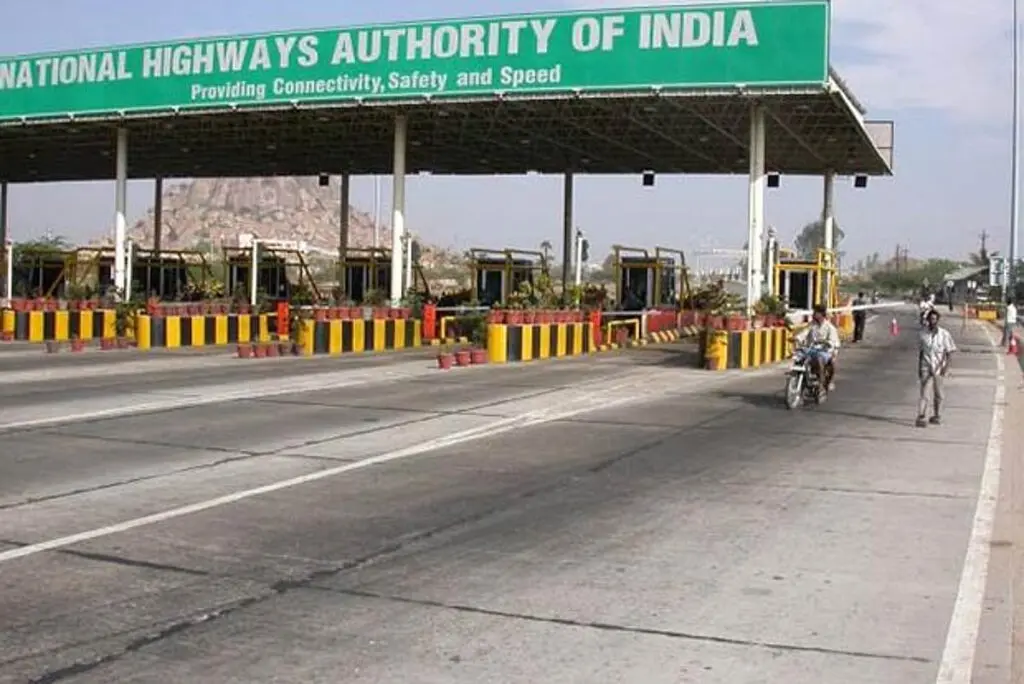
The National Highways Authority of India (NHAI) has made independent proof-checking of designs mandatory for bridges, viaducts, tunnels and other complex structures from 1 December. Contractors must appoint a consultant from NHAI's empanelled IITs, government institutions or reputed firms to review design calculations, drawings and hydrological studies before submission.
NHAI said 471 bridges on National Highways have structural distress. Repairs on 159 are complete, and the remaining 312 are targeted for completion by December 2028. Recent collapses – Bihar's Vikramshila Setu in May 2026 and a Dehradun bridge approach in July 2026 – have raised concerns. The cost of proof-checking will be borne by the contractor or concessionaire, and delays will not automatically entitle contractors to extensions or claims against NHAI.
Separately, Business Standard reports that NHAI has also asked developers to adopt an advanced digital monitoring framework using AI-enabled cameras and drone surveys to detect deficiencies, with a three-day redressal timeline. The National Highways Builders Federation has called for realistic bidding practices and adequate operation and maintenance payments to match the stricter requirements.
Update, 16 October 2026: Morung Express and The Hindu Business Line report the policy was issued on 15 October, confirming the scope includes bridges with a design discharge of 3,000 cubic metres per second or more and spans of 40 metres or more. Business Standard adds that NHAI also issued a separate circular on 8 October requiring developers to deploy AI-enabled cameras and drone surveys for defect detection. The National Highways Builders Federation responded by calling for realistic bidding and adequate maintenance payments.
Indian Opinion Analysis
Business Standard and Hindustan Times both report the 471 distressed bridges figure and name recent collapses, framing the policy as a response to visible failures. Morung Express and The Hindu Business Line stick to the official rollout, omitting collapse examples entirely. The two groups do not contradict each other: the ministry statement used by the latter outlets does not include collapse data. A balanced reading is that the policy has two intended messages: technical standardisation for the road ministry, and public reassurance after structural failures for the broader audience. No outlet questions the sufficiency of the December 2028 repair target or the cost allocation on contractors.
Coverage: 5 sources, 5 neutral
Sources (5): hindustantimes.com (neutral report), business-standard.com (neutral report), morungexpress.com (neutral report), business-standard.com (2) (neutral report), thehindubusinessline.com (neutral report)
This brief was synthesised by AI from the 5 sources linked above, so one read covers every framing they carry. Methodology and corrections.