Now Reading: Nub theory for baby sex prediction unreliable, studies show
-
01
Nub theory for baby sex prediction unreliable, studies show


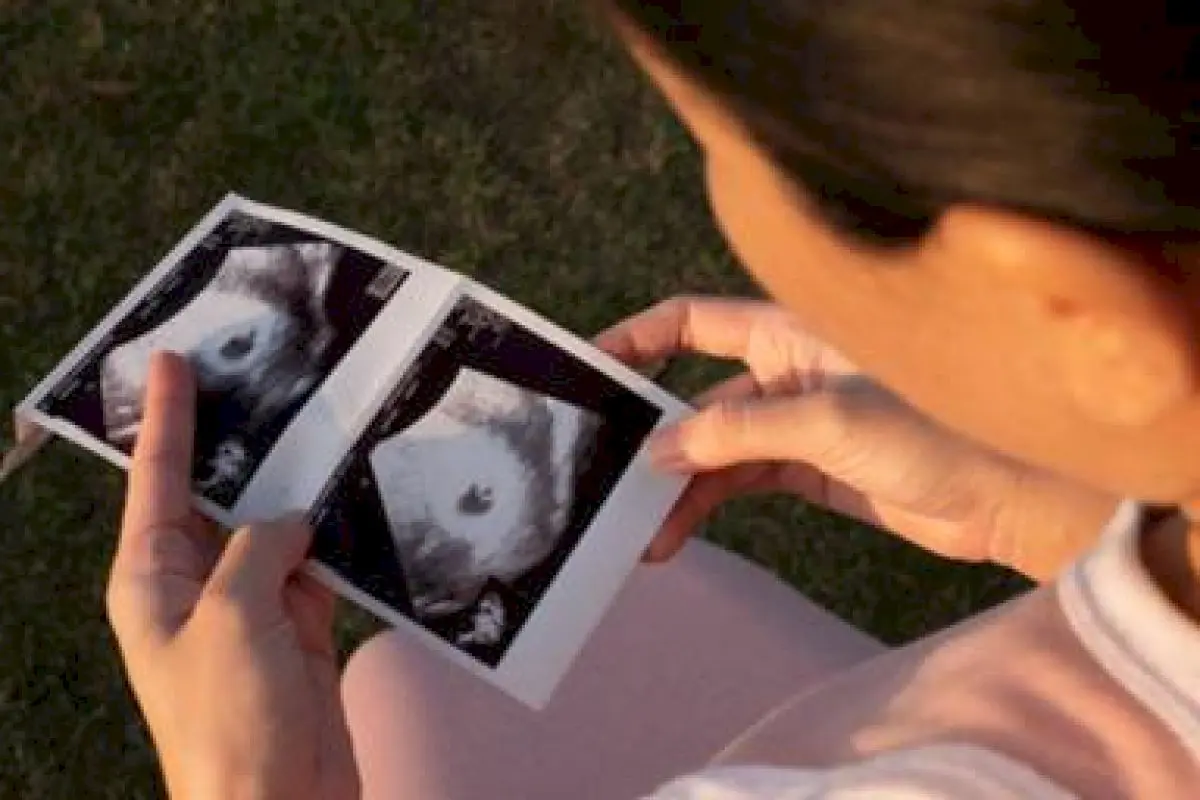
A viral trend called "nub theory" claims parents can predict a baby's sex from a 12-week ultrasound by measuring the angle of the genital tubercle. But research shows the method is highly…
The Story in Brief
A viral trend called "nub theory" claims parents can predict a baby's sex from a 12-week ultrasound by measuring the angle of the genital tubercle. But research shows the method is highly unreliable early in pregnancy, one 2012 study found accuracy as low as 30% before 11 weeks, barely better than a coin flip. Accuracy improves to about 90% by 12-14 weeks, but still lags behind medical tests like cell-free DNA blood tests (NIPT) or the standard anatomy scan at 18-22 weeks, which are far more dependable for determining fetal sex.
The Indian Opinion
The viral excitement around nub theory feels like just another internet trend promising certainty where none exists. Social media is full of parents claiming 100% accuracy from a 12-week ultrasound, but the science tells a different story, accuracy drops to 70% before 11 weeks, barely better than a coin toss. Why risk false hope or needless anxiety when established medical tests like NIPT or the anatomy scan are far more reliable? Waiting a few extra weeks seems a small price for genuine certainty, especially when the only evidence here is a blurry image and a wishful angle.
Source: english.mathrubhumi.com
This story was synthesised by AI from the source linked above.