











Now Reading: UP’s ODOP scheme trains Agra footwear artisans, expands terracotta industry
-
01
UP’s ODOP scheme trains Agra footwear artisans, expands terracotta industry

UP’s ODOP scheme trains Agra footwear artisans, expands terracotta industry

Blindspot: every source we found covers this story from a pro-government position.
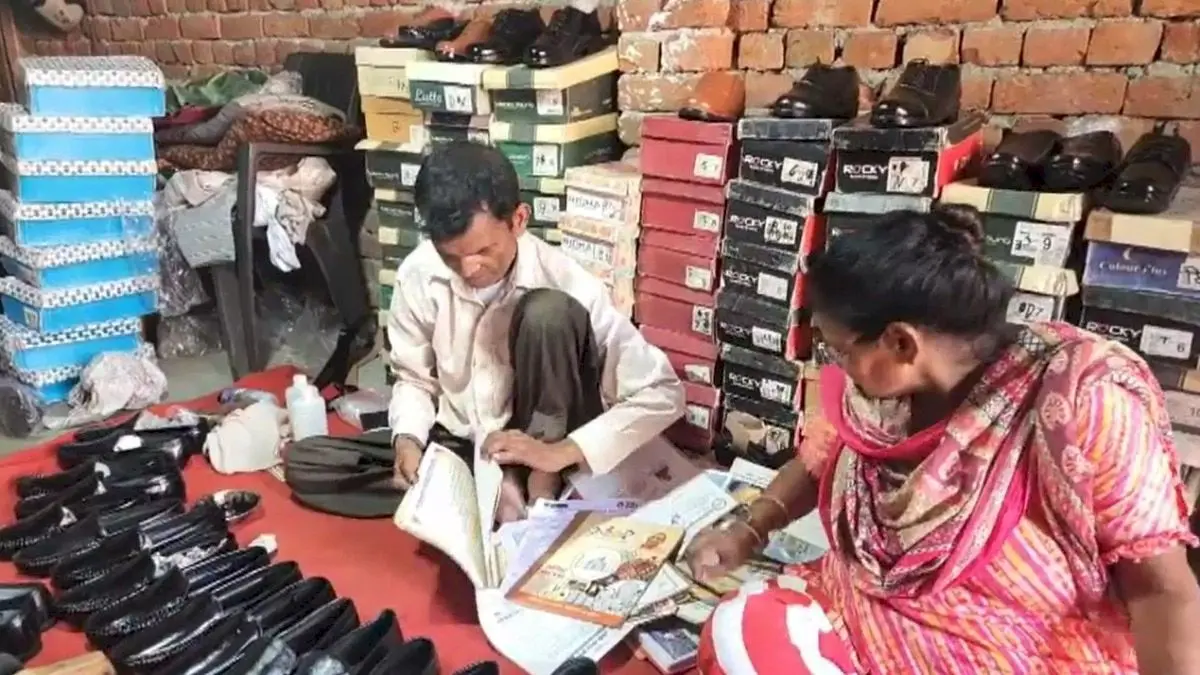
The Uttar Pradesh government's One District, One Product (ODOP) initiative has trained about 1,600 artisans in Agra's footwear and leather sector, which annually exports leather products worth around Rs 4,000 crore and employs four to five lakh people. At a Common Facility Centre in Nawada village, young men and women receive training in cutting, stitching and operating modern machinery, with a focus on enabling self-employment. In Gorakhpur, the programme's support for the terracotta industry has helped artisan Rajjan Prajapati build a business worth around Rs 1.5 crore, while hundreds of families now depend on the craft.
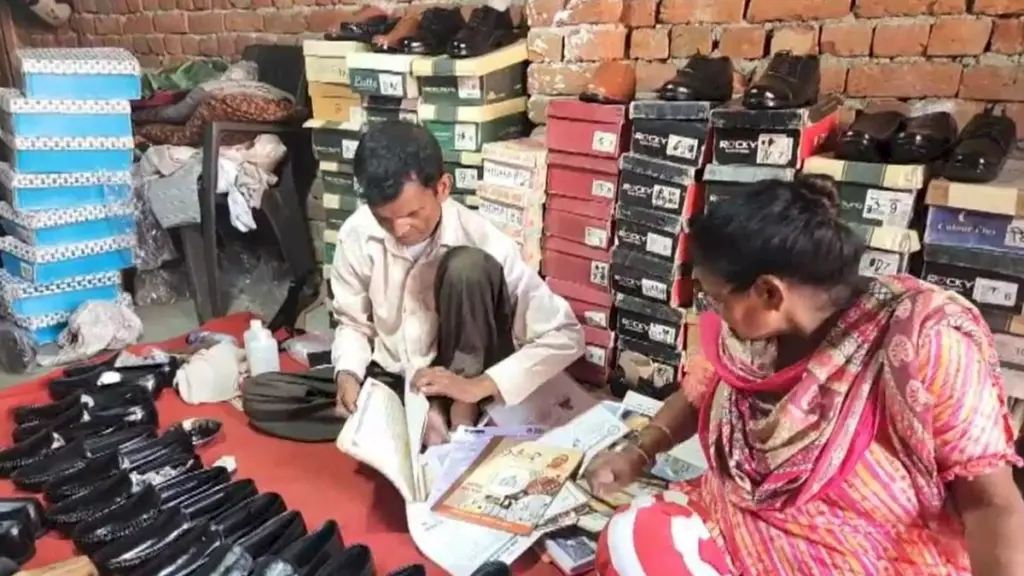
The scheme is not a single programme but a combination of training, subsidies of 10 to 25 per cent, toolkits and bank loans up to Rs 5 lakh under the Chief Minister's Youth Entrepreneur Scheme. A Marketing Development Assistance (MDA) component reimburses 75 per cent of stall charges for domestic fairs (up to Rs 50,000) and up to Rs 75 lakh for international exhibitions, provided at least 20 units participate. Artisans and MSMEs from all 75 districts can apply via the DI UP portal.
Both districts illustrate a broader effort to move artisans from informal, family-based work to organised businesses, though the transition depends on sustained market access. The government is connecting producers to buyers through exhibitions across India and overseas, aiming to preserve traditional crafts while making them commercially viable.
Indian Opinion Analysis
All three sources are government-produced features from the same outlet, India Today, and uniformly present the One District, One Product initiative as a well-functioning engine of economic uplift, improved livelihoods and entrepreneurship. Each story leads with a success narrative, a trained woman, a crores-turning artisan, a scheme detail, but none quotes any independent economist, critiques implementation bottlenecks or examines sustainability beyond subsidy. The articles omit any discussion of market failures, loan recovery rates or the reliance of the reported income gains on continued government support. A careful reader should note the absence of any data on total scheme beneficiaries versus UP's artisan population, or the actual revenue-to-subsidy ratio. The Rajasthan-focused warehousing sector in contrast generated debate, here the uniformity of tone suggests the coverage is promotional rather than investigatory. To watch: audited outcomes data from the UP MSME department, if published.
Coverage: 3 sources, 3 pro-government
Sources (3): indiatoday.in (pro government), indiatoday.in (2) (pro government), indiatoday.in (3) (pro government)
This story was synthesised by AI from the 3 sources linked above. Methodology and corrections.
Updated: this story now draws on 3 sources.