













Now Reading: OLED, QLED and Mini LED TV technologies compared
-
01
OLED, QLED and Mini LED TV technologies compared



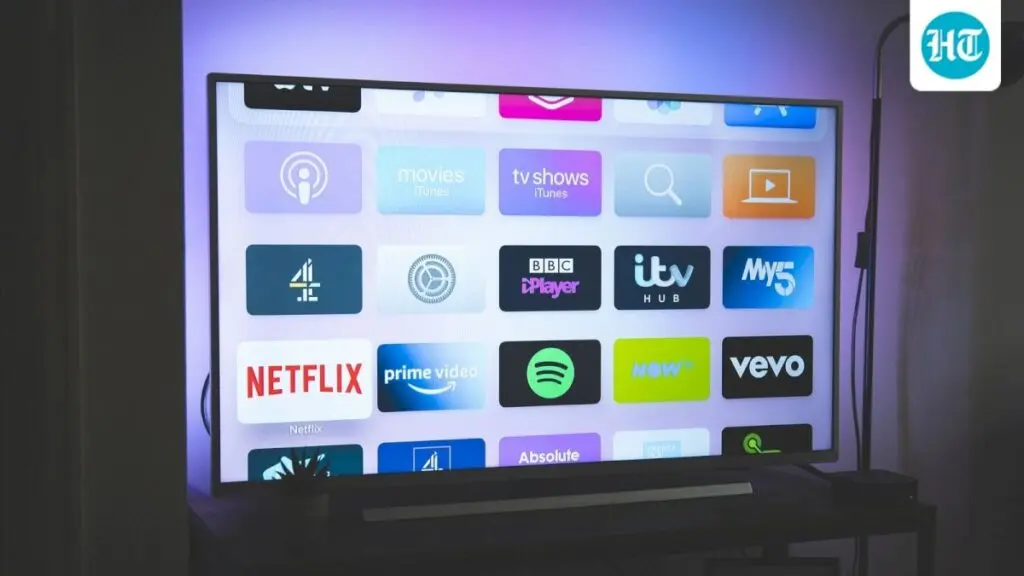
OLED, QLED, and Mini LED TVs use different methods to produce and control light, affecting black levels, brightness, viewing angles, and long-term use. OLED pixels emit their own light, offering deep blacks ideal for darker rooms, while QLED and Mini LED rely on LCD panels with backlights. QLED adds quantum dots for enhanced colour, and Mini LED uses smaller backlight LEDs for more precise dimming.
QLED and Mini LED can achieve higher brightness, making them suitable for brighter spaces, but may show less perfect blacks than OLED. OLED faces burn-in risk over extended use with static images. Price also varies, with OLED typically costing more. Buyers should consider room lighting and usage patterns when choosing.
Indian Opinion Analysis
The comparison matters most for buyers in India, where TV purchase decisions are driven by room conditions and budget. OLED's self-lit pixels deliver superior contrast but are pricier and less bright, QLED and Mini LED offer better value for bright living rooms common in Indian homes. Mini LED, a newer option, bridges the gap with local dimming that approaches OLED black levels at lower cost. Burn-in is a real concern for OLED users who watch news channels with static logos for hours. Next, watch for price drops as Mini LED production scales in 2025.
Source: gadgets360.com
This story was synthesised by AI from the source linked above. Methodology and corrections.