











Now Reading: Rahul Gandhi’s electoral rolls protest draws mixed coverage
-
01
Rahul Gandhi’s electoral rolls protest draws mixed coverage


The Story in Brief
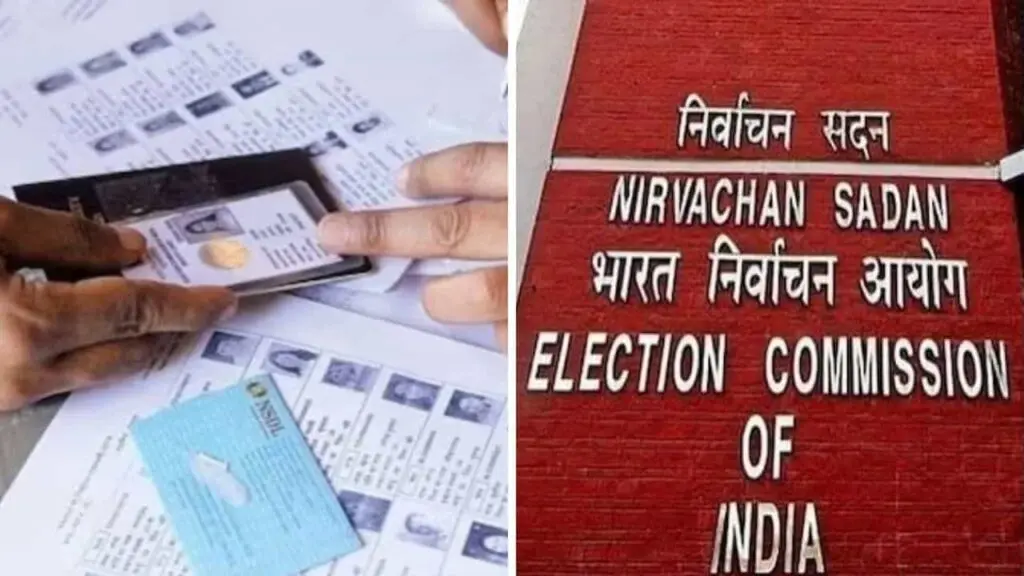
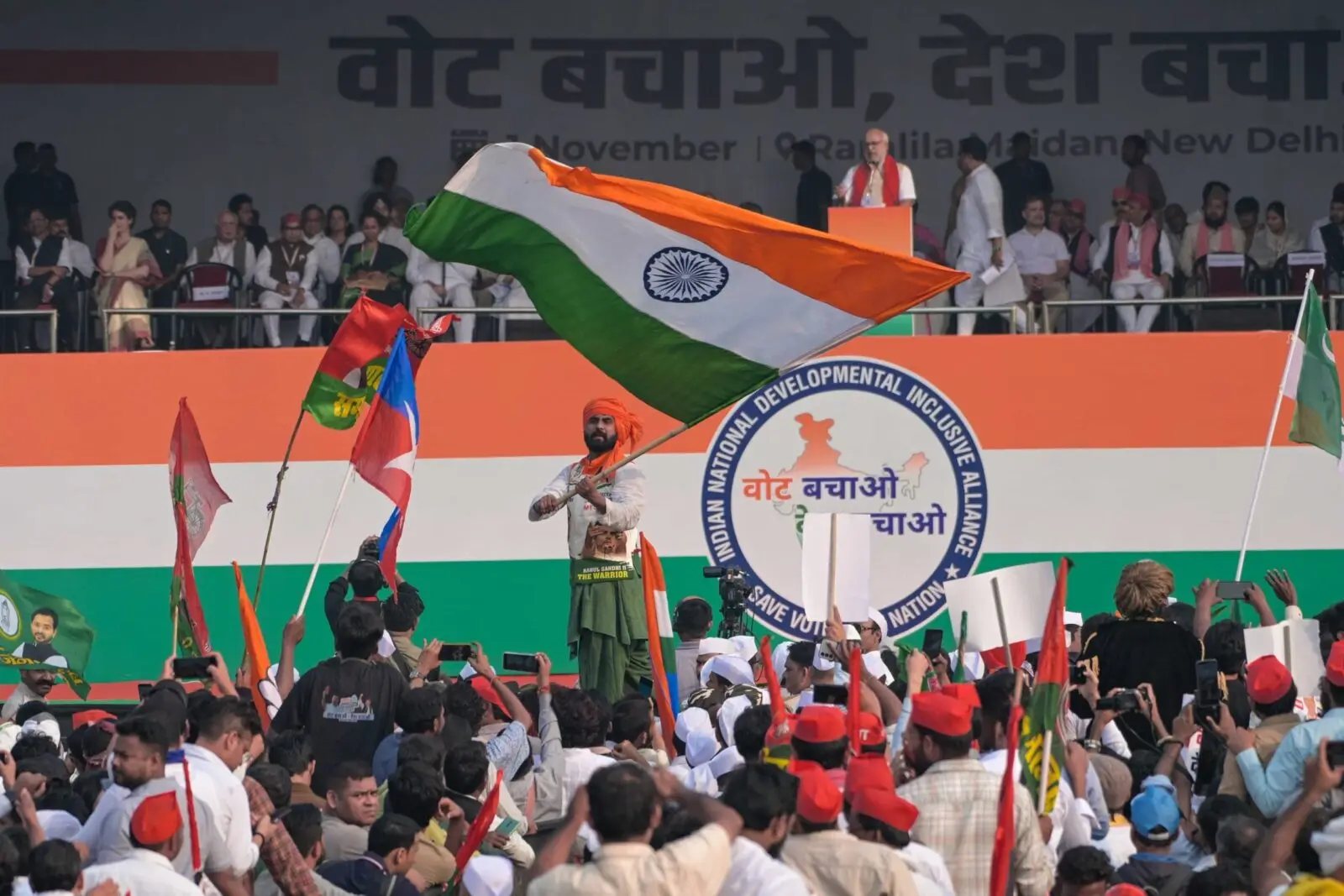
A political divide has opened over the Election Commission’s Special Intensive Revision (SIR) of electoral rolls, with ruling party-aligned media calling it a routine administrative exercise while the Opposition, led by Rahul Gandhi, alleges irregularities that could disenfranchise voters. ThePrint and The Asian Age on 2 and 3 November respectively dismissed the protests as politically naive, citing the legal basis for SIR under the Representation of the People Act, 1950, and noting that such revisions have been conducted since the first general election in 1952. The Asian Age also criticised Gandhi for allying with the CJP.
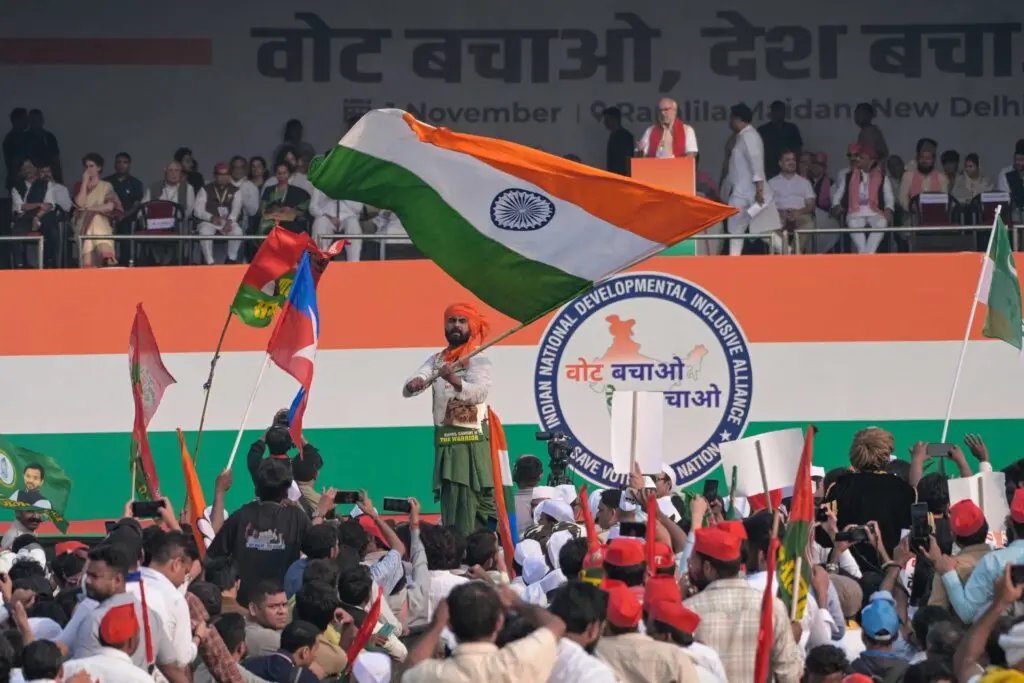
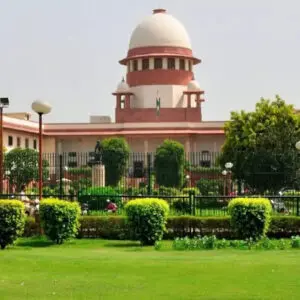
The Hindu on 3 November reported Irrigation Minister N. Uttam Kumar Reddy lauding Gandhi for uniting the INDIA bloc against alleged irregularities. Reddy acknowledged the need to remove duplicate entries but stressed that no eligible voter should be excluded, and called for greater transparency. The opposition’s recent protests include an October 12 march to the Supreme Court and a symbolic ‘public impeachment’ of CEC Gyanesh Kumar on October 31. The Election Commission has yet to publicly respond to the allegations.
Indian Opinion Analysis
ThePrint and The Asian Age run parallel pro-government lines, each framing the SIR as a routine, necessary procedural exercise and dismissing Rahul Gandhi’s protests as politically naive or manufactured. ThePrint invokes constitutional history and the legal framework under the Representation of the People Act, while The Asian Age labels Gandhi a ‘Pappu’ and questions his political judgment. The Hindu, by contrast, gives voice to the INDIA bloc’s campaign, reporting Minister Uttam Kumar Reddy’s praise for Gandhi’s leadership and the Opposition’s demand for transparency. Both sides agree that duplicate entries should be removed, but disagree sharply on whether the current revision is transparent. The contested question remains the fairness and accountability of the SIR process itself, a point the Election Commission has yet to address explicitly in any of the reports.
Coverage: 3 sources, 2 pro-government, 1 government-critical
Sources (3): theprint.in (pro government), asianage.com (pro government), thehindu.com (government critical)
This brief was synthesised by AI from the 3 sources linked above, so one read covers every framing they carry. Methodology and corrections.
Update, 3 November 2026: this story now draws on 3 sources.