














Now Reading: Oregon and Utah build more than 130 wildlife crossings
-
01
Oregon and Utah build more than 130 wildlife crossings



Oregon and Utah have built more than 130 wildlife crossings, including overpasses, underpasses and culverts, to reduce dangerous crashes on busy highways. Fencing guides animals towards these structures. The Pew Charitable Trusts…
The Story in Brief
Oregon and Utah have built more than 130 wildlife crossings, including overpasses, underpasses and culverts, to reduce dangerous crashes on busy highways. Fencing guides animals towards these structures. The Pew Charitable Trusts says such systems can cut collisions involving large mammals by more than 90% at some sites.
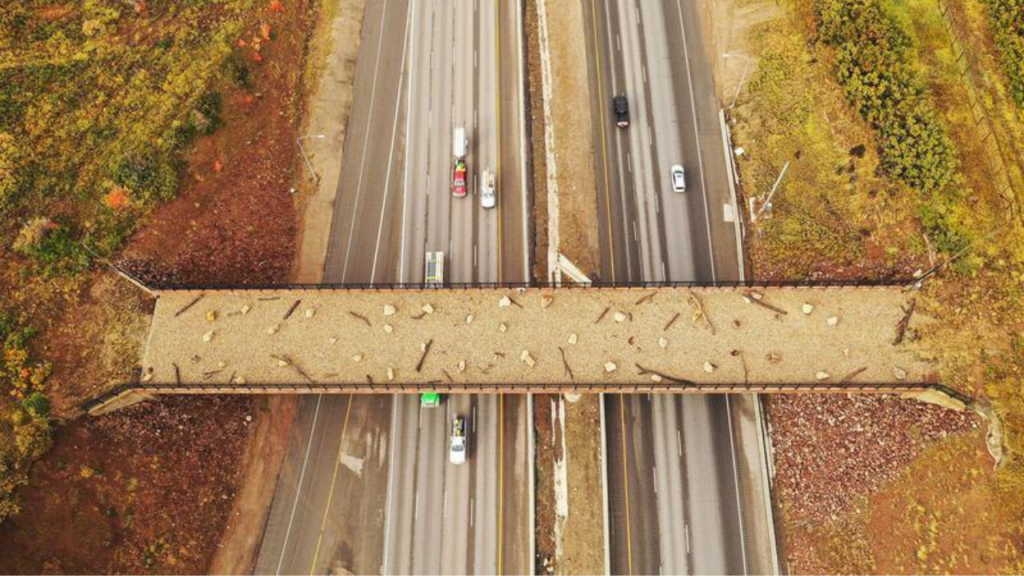
Utah has more than 50 crossings and approved a fund providing $2 million annually. Oregon approved a lodging tax increase from 2027, with some revenue supporting crossings and habitat work. Idaho and Virginia also advanced measures in 2026. The US records more than 1 million wildlife-vehicle collisions annually, causing about 26,000 injuries and over 200 deaths, according to figures cited by Pew.
The Indian Opinion
The lazy claim that crossings are expensive bridges for animals ignores their safety and habitat benefits. The opposite claim, that every project will eliminate crashes, is just as weak. Results depend on fencing, location and species, with reported reductions ranging from 80% to over 90% for some deer and elk crossings. The sensible test is whether each project records fewer collisions than before, and whether its cost matches the savings.
Source: timesofindia.indiatimes.com
This story was synthesised by AI from the source linked above.