











Now Reading: Pakistan fuel levy sparks protests, JI warns Shehbaz
-
01
Pakistan fuel levy sparks protests, JI warns Shehbaz


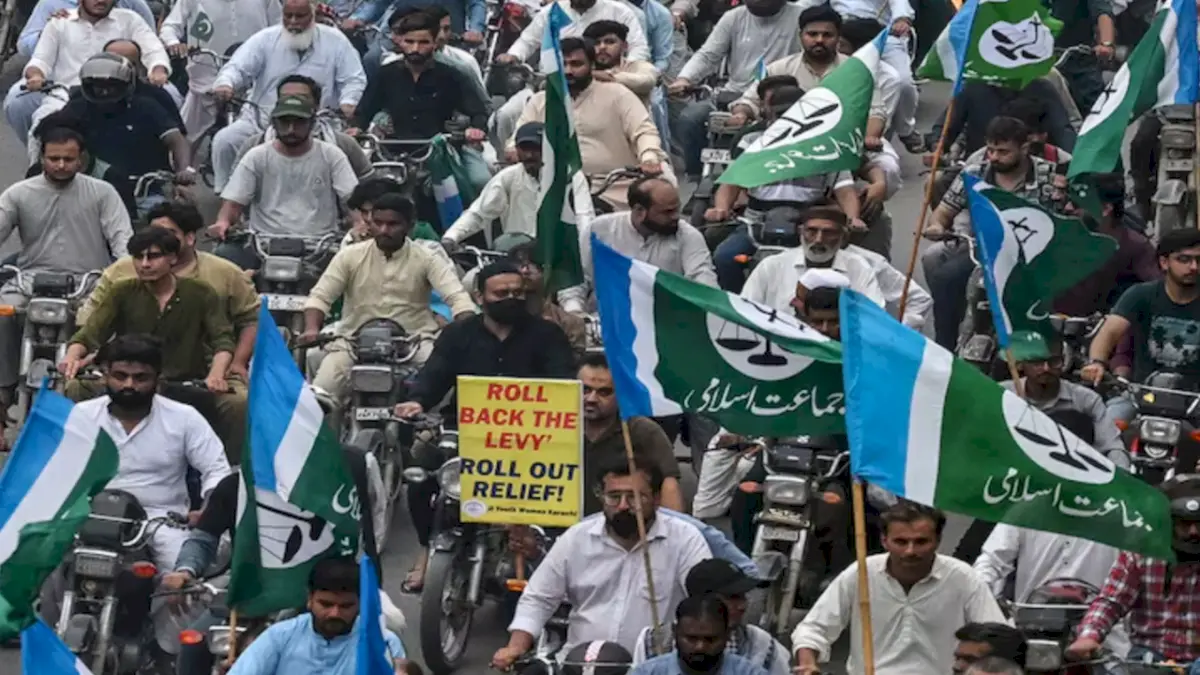
Thousands of people marched across Pakistan on Friday after Jamaat-e-Islami (JI) called for nationwide demonstrations against rising fuel prices and a new petroleum levy. Protests, sit-ins and road blockades were reported in…
The Story in Brief
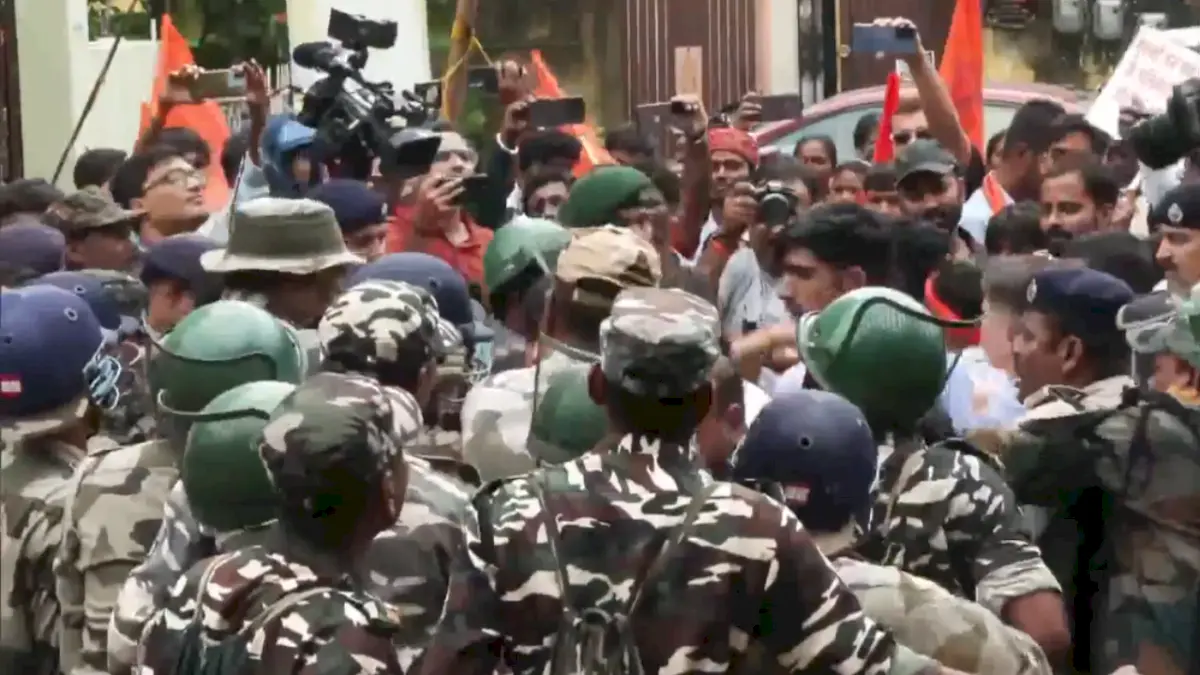
Thousands of people marched across Pakistan on Friday after Jamaat-e-Islami (JI) called for nationwide demonstrations against rising fuel prices and a new petroleum levy. Protests, sit-ins and road blockades were reported in Karachi, Lahore, Peshawar, Quetta, Islamabad, Rawalpindi and Abbottabad, disrupting traffic on major highways. Placards carried messages such as 'Enough is enough' and 'We want Rs 225 without any levy'.
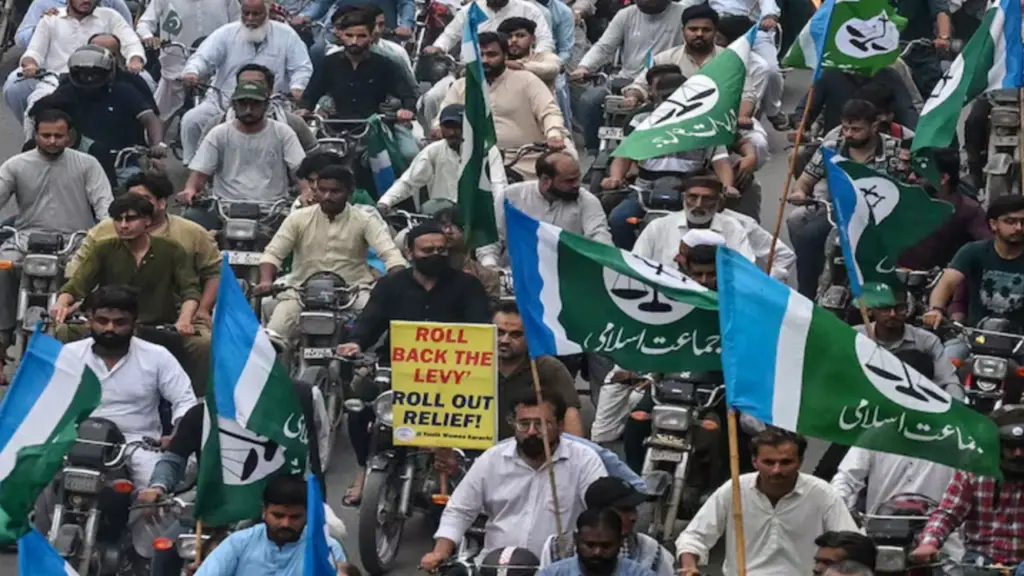
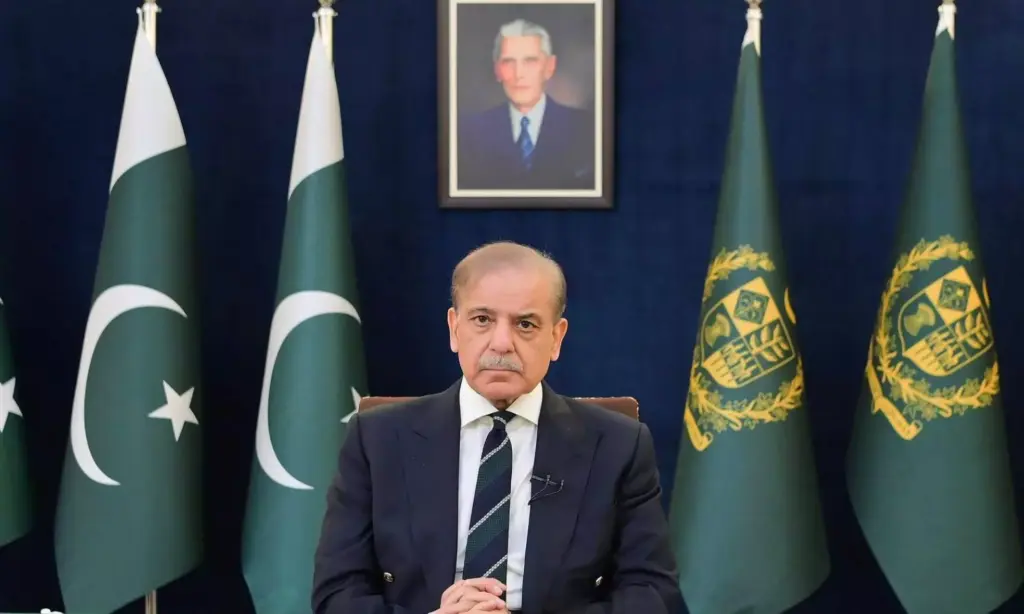
JI chief Hafiz Naeemur Rehman accused successive governments of economic mismanagement and said the levy had earned the state 8 trillion Pakistani rupees. He rejected the government's argument that IMF conditions prevent a rollback, saying 'To hell with you and your IMF'. Petrol prices in Pakistan reached a record Rs 459 per litre in April and diesel Rs 520.35. JI has announced further sit-ins on Sunday.
The Indian Opinion
Pakistan's fuel protests highlight the familiar blame game between the government pointing at IMF conditions and opposition accusing elites of corruption. But the real story is the arithmetic: a levy that has collected 8 trillion rupees while households struggle with record petrol prices. For an ordinary Indian reader, the question is whether Pakistan can stabilise without deeper reforms. The size of Sunday's sit-ins will tell us if this is just anger or the start of a sustained crisis.
Sources (2): timesnownews.com, thefederal.com
This story was synthesised by AI from the 2 sources linked above.
Updated: this story now draws on 2 sources.