












Now Reading: Parliament panel suggests reading workforce for Gyan Bharatam Mission
-
01
Parliament panel suggests reading workforce for Gyan Bharatam Mission


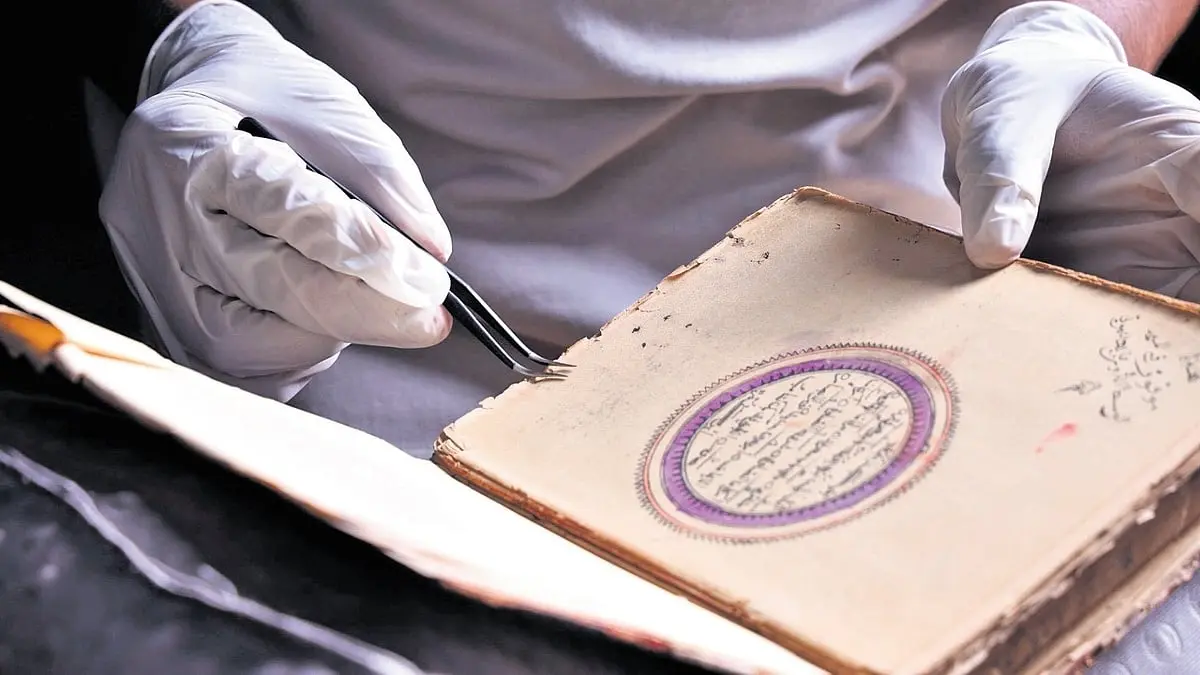
A parliamentary panel has recommended creating a dedicated scientific programme and a nationwide pool of researchers and citizen contributors to read and transcribe manuscripts that cannot be physically opened. The 31-member Standing Committee on Transport, Tourism and Culture, chaired by Rajya Sabha MP Sanjay Kumar Jha, submitted its report titled 'From Manuscript to Mission: Preserving, Mapping and Sustaining India’s Cultural Heritage in the Age of Artificial Intelligence' in Parliament during the Monsoon session.
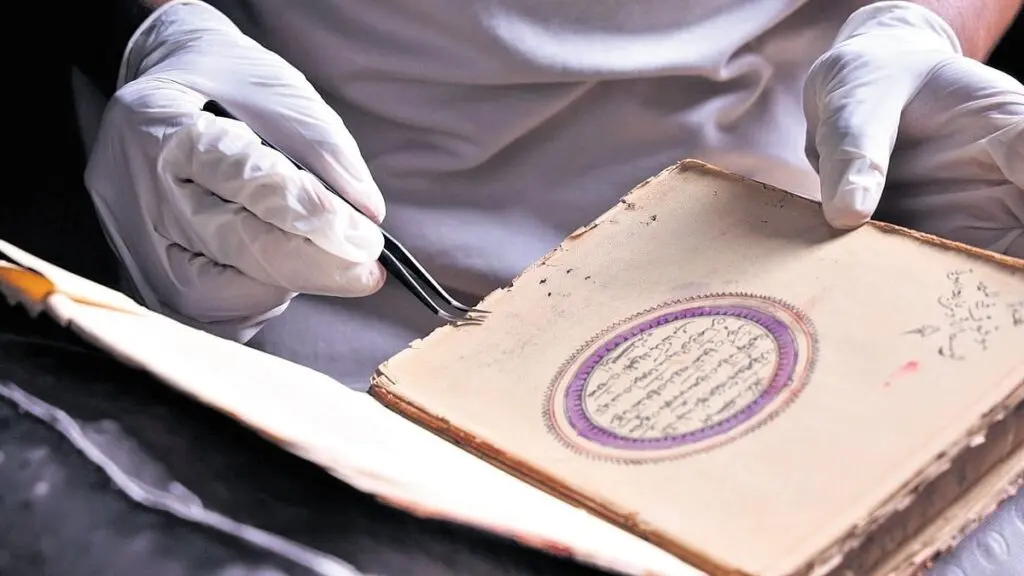
The report suggests setting up a 'national reading workforce' comprising a citizen transcription platform, possibly named 'Akshar Mitra', and a standing compact with universities. Under the proposed system, every machine-read manuscript page would be independently checked by two volunteers, with differences resolved by a third. University departments would adopt unedited manuscripts as dissertation projects. The committee also recommended expanding the national digitisation standard into a comprehensive capture standard.
The Gyan Bharatam Mission, announced in the Union Budget 2025-26 with an outlay of Rs 491.66 crore for 2025-2031, aims to survey, document and conserve India's manuscript heritage. A national survey between March and June 2026 recorded 2.25 crore manuscripts, of which 1.16 crore have been verified and entered into a national database. About eight lakh manuscripts have been digitised. The mission was launched by Prime Minister Narendra Modi in September 2025 under the Ministry of Culture.
Indian Opinion Analysis
The committee's push for a citizen transcription workforce and a research challenge for unopenable manuscripts signals a shift from mere digitisation to active content recovery. With 1.16 crore manuscripts already verified but only 8 lakh digitised, the bottleneck is not collection but processing. The proposed 'Akshar Mitra' platform, modelled on successful citizen science projects, could mobilise thousands of volunteers at minimal cost. The university compact linking unedited manuscripts to dissertation projects creates a sustainable pipeline for scholarly editions. The next milestone is the government's response to these 12 recommendations, expected before the next budget session.
Source: newindianexpress.com
This story was synthesised by AI from the source linked above. Methodology and corrections.