















Now Reading: Assam’s flood-damaged manuscripts now face moisture and fungus
-
01
Assam’s flood-damaged manuscripts now face moisture and fungus


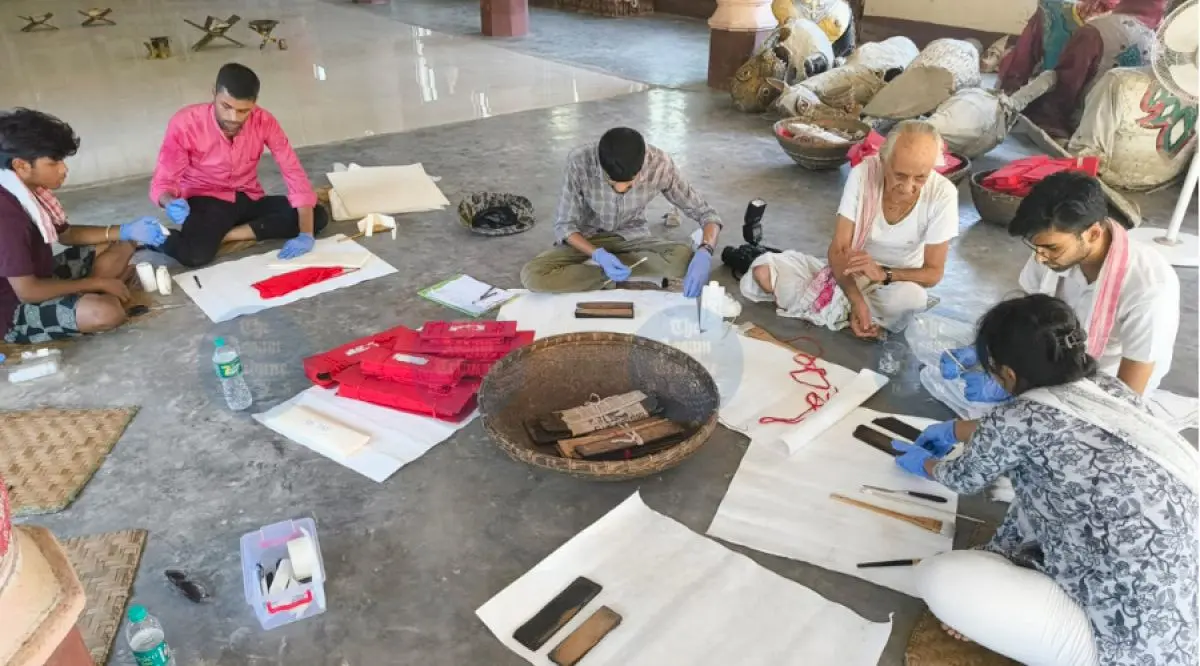
Months after Upper Assam floods, centuries-old manuscripts are deteriorating from moisture, mud and fungus, assamtribune.com reports. Conservation teams from Gauhati University and Assam State Museum are racing to save them, but proper…
The Story in Brief
Months after Upper Assam floods, centuries-old manuscripts are deteriorating from moisture, mud and fungus, assamtribune.com reports. Conservation teams from Gauhati University and Assam State Museum are racing to save them, but proper treatment of a single manuscript can take up to a month. Many families had considered discarding waterlogged manuscripts. The material Sanchipat poses special challenges, and drying in direct sunlight can cause further damage.
The scale is matched by painstaking work. Fungus can grow within 24 to 48 hours. Some collections were found in family prayer areas without protection. Experts stress that saving does not mean restoring, complete restoration may be impossible for soaked manuscripts, even if fragments survive for digitisation.
The Indian Opinion
Every flood season, Assam's priceless heritage is measured against immediate survival. It is easy to dismiss manuscripts as secondary when lives are at stake, yet the loss of these texts is a cultural amputation. The narrative that 'nothing can be done' is false, but so is the romantic idea that all can be saved. The real test is whether state and central governments allocate dedicated funding for manuscript conservation, not just flood relief. How many such manuscripts remain undocumented across Assam's satras and homes?
Source: assamtribune.com
This story was synthesised by AI from the source linked above.