













Now Reading: Parliament passes bill to cap state mining levies
-
01
Parliament passes bill to cap state mining levies


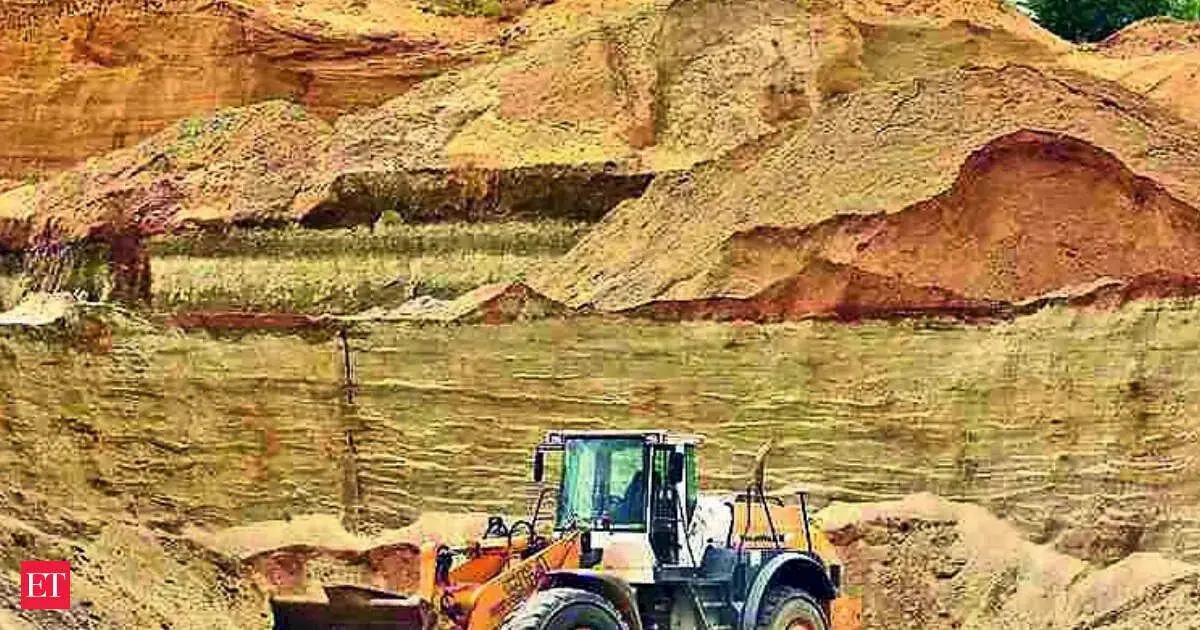
Parliament on Thursday passed the Mines and Minerals (Development and Regulation) Amendment Bill, 2026, by voice vote in both houses. The law empowers the central government to regulate taxes, cess and other…
The Story in Brief
Parliament on Thursday passed the Mines and Minerals (Development and Regulation) Amendment Bill, 2026, by voice vote in both houses. The law empowers the central government to regulate taxes, cess and other levies imposed by states on mineral rights or mineral-bearing land. Mines minister G Kishan Reddy said excessive fiscal burdens have made mining commercially unviable, discouraged extraction, and led to mine closures. He added that the Centre will get no share of the proceeds and states will remain the primary beneficiaries.

The move follows a 2024 Supreme Court verdict that allowed states to levy additional mining taxes. Several states, including Karnataka, Jharkhand and Tamil Nadu, had since imposed fresh levies. Reddy said cumulative state levies must not become disproportionate to the economic value of mining. He denied that the bill infringes on state powers, and said a uniform fiscal framework will now be put in place. The Times of India reports that the Centre also plans to introduce coal and mineral exchanges.
The Indian Opinion
The usual champions of states' rights are crying foul, but nobody explains how wildly varying state-level cess and royalties help anyone but the mining barons who pass the cost to consumers. The 2024 Supreme Court verdict opened the door; this bill simply puts a ceiling on the room. The real test is not who collects the tax but whether mineral prices for steel, cement and power come down. Watch the next quarterly industry cost data for an answer, not the next parliamentary debate.
Sources (2): economictimes.indiatimes.com, timesofindia.indiatimes.com
This story was synthesised by AI from the 2 sources linked above.
Updated: this story now draws on 2 sources.