


















Now Reading: Parsi population decline: intermarriage debate divides community
-
01
Parsi population decline: intermarriage debate divides community


India’s Parsi population has fallen by nearly 18 per cent every decade since 1971, with the 2011 census counting 57,264 Parsis, a number projected to shrink to 9,599 by 2101, according to…
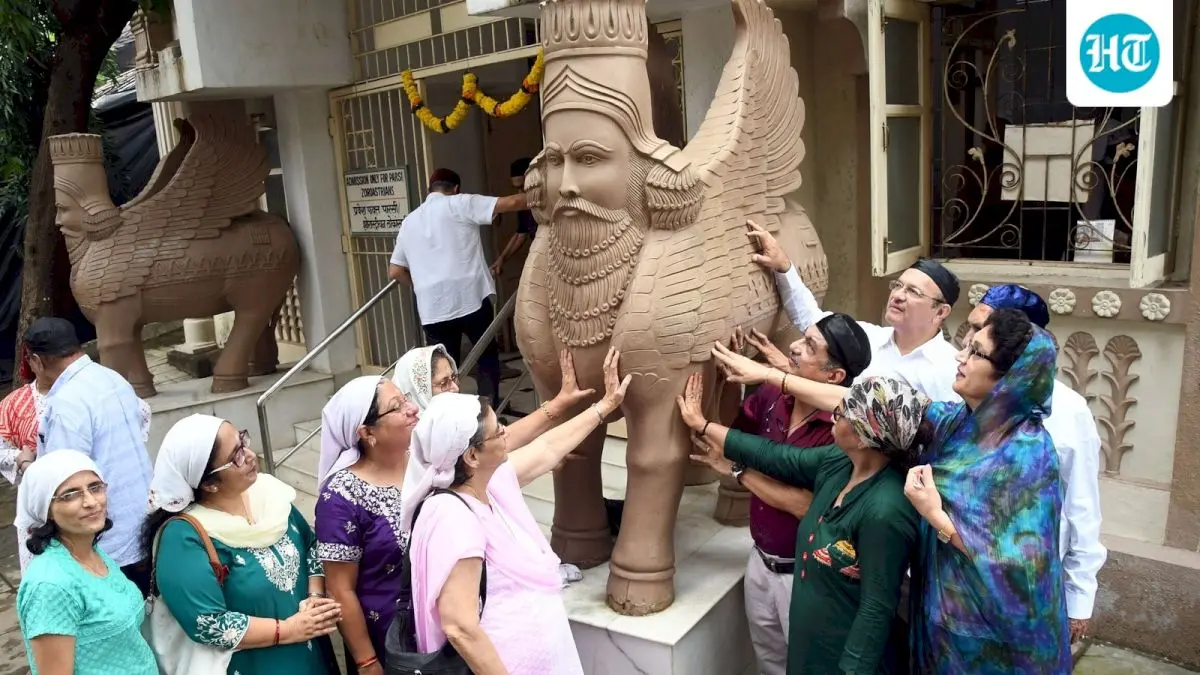
India’s Parsi population has fallen by nearly 18 per cent every decade since 1971, with the 2011 census counting 57,264 Parsis, a number projected to shrink to 9,599 by 2101, according to hindustantimes.com. The Union government’s Jiyo Parsi scheme, launched in 2013 to fund assisted reproduction, added only 550 babies in 10 years. The scheme has now been expanded.
Intermarriage is seen as a possible solution, but a 1908 Bombay High Court ruling (Beaman-Davar) defines a Parsi as only someone with a Parsi father, excluding children of Parsi women who marry outside the community. Over one in three Parsis now has an outsider spouse, rising to 51 per cent in Mumbai, the report says. But traditionalists argue that intermarriage dilutes the community’s Zoroastrian identity, while women who marry non-Parsis face being barred from fire temples and even last rites of parents.
The Supreme Court is currently hearing a challenge to the 1908 ruling, filed by Sanaya Dalal and her husband in 2021. The case could reshape who is considered Parsi and determine the community’s demographic future.
Source: hindustantimes.com
This story was synthesised by AI from the source linked above. Methodology and corrections.