

















Now Reading: Iran war disrupts fuel supplies and raises global oil risks
-
01
Iran war disrupts fuel supplies and raises global oil risks


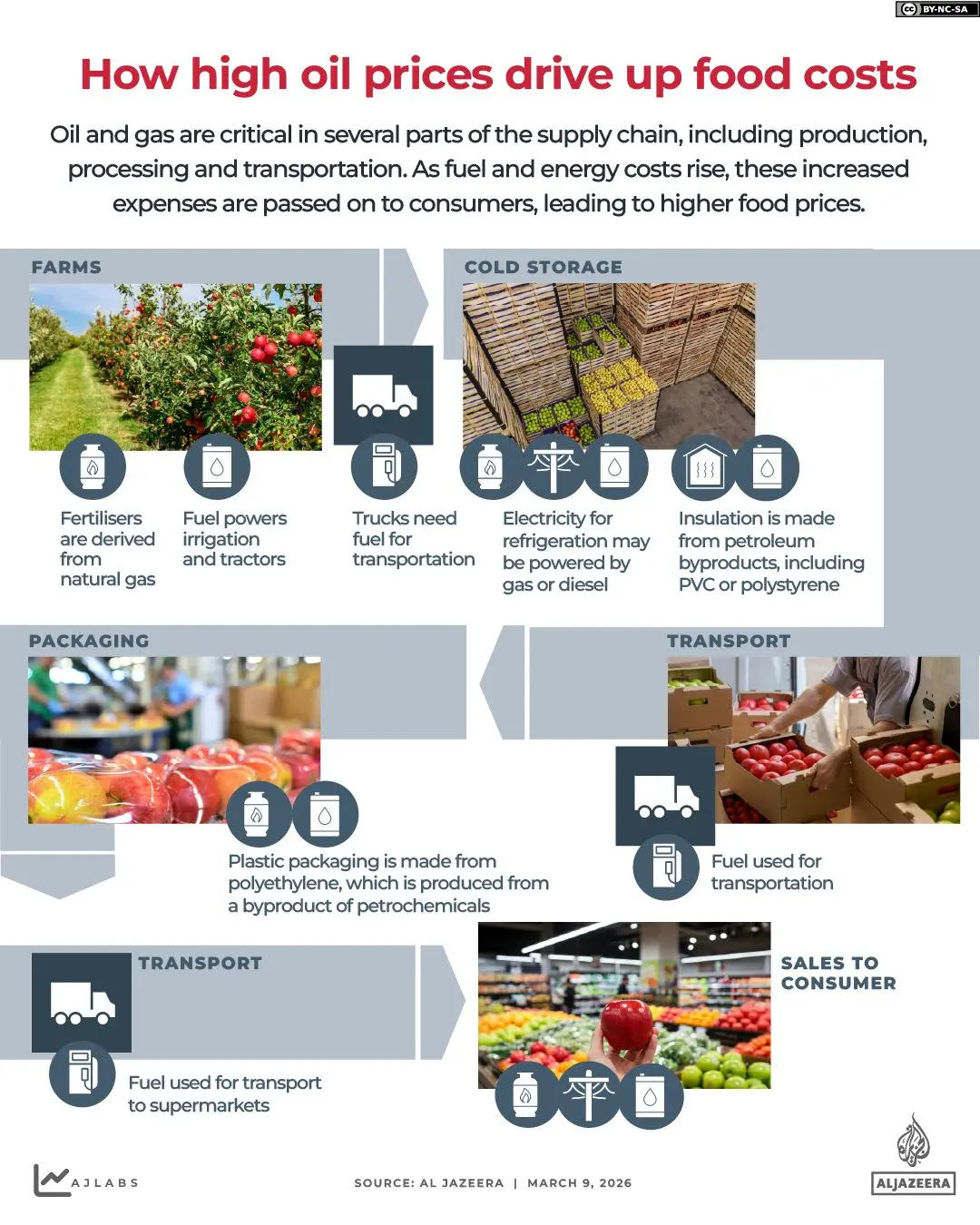
Petrol prices have risen in at least 145 countries since the US and Israel began attacks on Iran on February 28, Al Jazeera reports, citing GlobalPetrolPrices data. Myanmar recorded the biggest increase, at 56%, while the United States saw average petrol prices rise 39%, from $2.94 to $4.09 a gallon. The same $50 now buys about 183km less driving for a US family car.
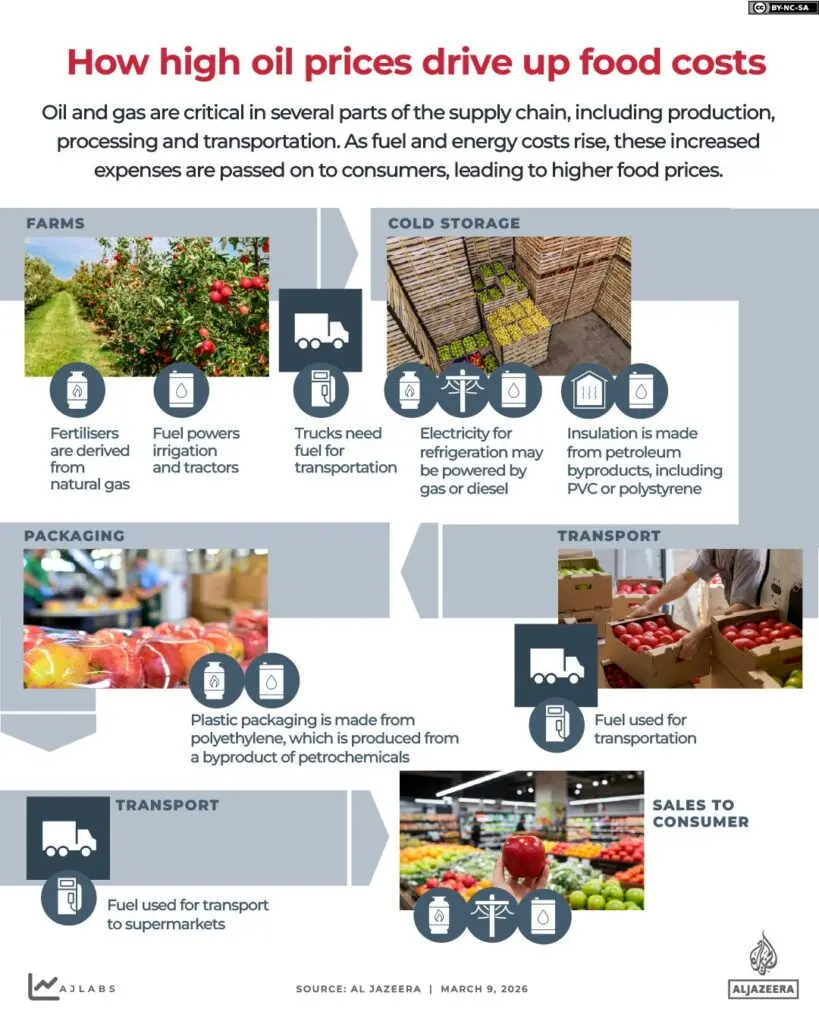
Times Now reports that Iran faces a daily petrol shortfall of 14 million to 15 million litres, caused by wartime damage, higher demand and disrupted imports. Officials are considering capped distribution, higher prices beyond a limit or changes to the quota system. Times of India reports that countries affected by wars, attacks or export curbs produced about 45 million barrels of oil a day in 2025, more than 43% of global output. Conflicts have also cut refining capacity by about a tenth, while IEA emergency stockpile releases are largely complete.
Indian Opinion Analysis
The three accounts differ mainly in scale and emphasis. Al Jazeera leads with household costs and the spread of petrol increases, while Times Now concentrates on Iran’s domestic supply gap and the political danger of subsidy changes. Times of India places the disruption within a wider oil and refining shock, but its aggregate figure includes several conflicts and export restrictions rather than Iran alone. Together, the reporting suggests that price pressure depends not only on crude supply, but also on transport routes, refining capacity and government controls. Iran’s distribution decision and the next movement in global inventories will indicate whether the pressure eases.
Coverage: 3 sources, 1 government-critical, 2 neutral
Sources (3): aljazeera.com (neutral report), timesnownews.com (government critical), timesofindia.indiatimes.com (neutral report)
This story was synthesised by AI from the 3 sources linked above. Methodology and corrections.
Updated: this story now draws on 3 sources.