













Now Reading: India pays $22bn extra as Hormuz crisis drives $330bn global fuel shock
-
01
India pays $22bn extra as Hormuz crisis drives $330bn global fuel shock

India pays $22bn extra as Hormuz crisis drives $330bn global fuel shock

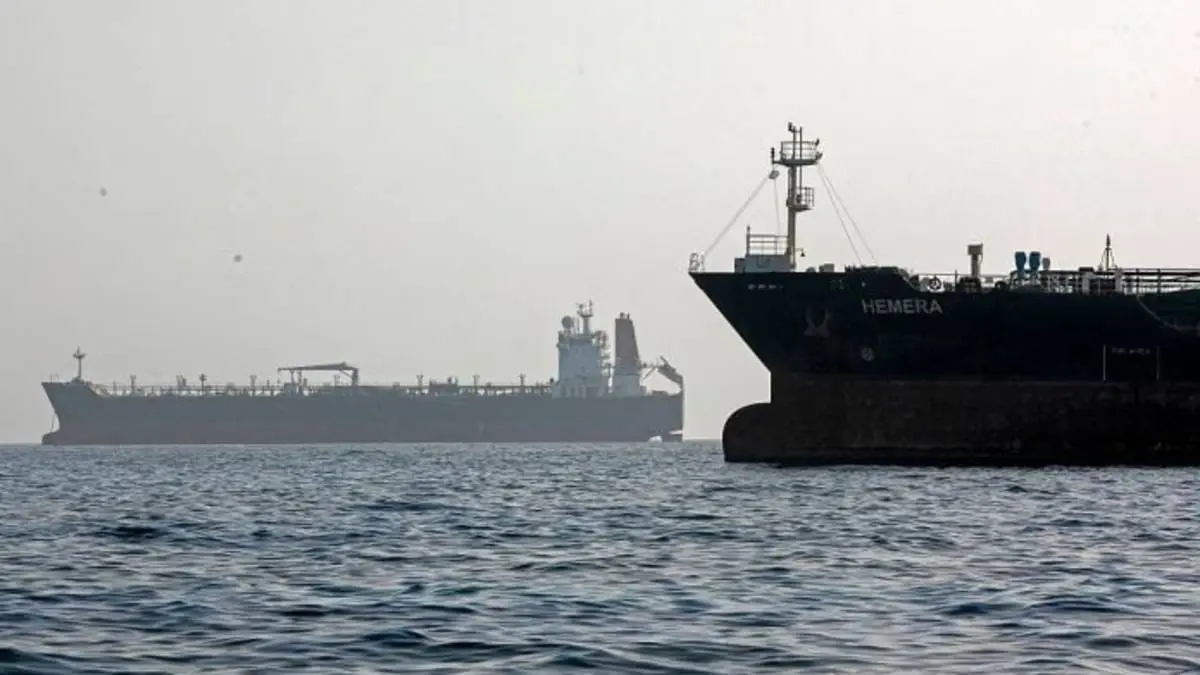
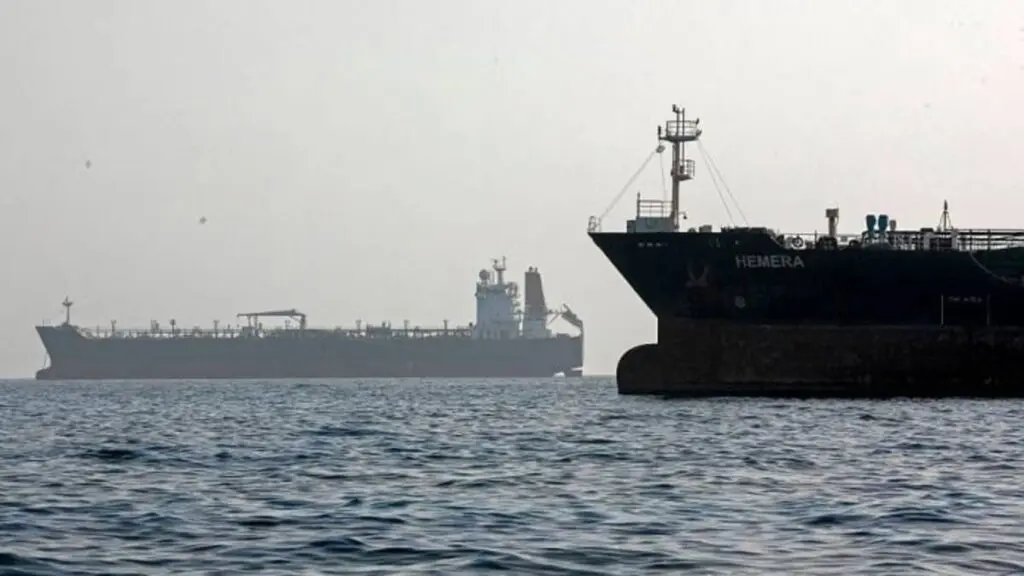
New Delhi: Fossil fuel-importing countries have spent over $330 billion extra on oil since the Hormuz crisis began on 28 February, marking the largest oil shock since the 1990 Gulf War, the Centre for Research on Energy and Clean Air (CREA) has found. Countries paid an extra $55 billion a month after US-Israeli attacks on Iran disrupted global shipping.
India incurred the second-highest additional cost at $22 billion, behind China's $35 billion and ahead of the US's $16 billion. Diesel prices rose 59%, adding $74 billion globally, while crude oil costs climbed 35% to $164 billion. The average US diesel price hit $5.57 a gallon, the highest since 2022.
Low- and middle-income countries paid nearly 1% of their 2024 GDP extra for fossil fuels, compared with 0.45% for high-income nations. CREA said investing in clean energy was the best protection against such price shocks.
Indian Opinion Analysis
The $22 billion extra India paid is roughly 0.6% of its 2024-25 GDP, a burden that falls disproportionately on the current account deficit and the rupee. Diesel accounts for a large share of India's fuel basket because it powers trucks, tractors, and generators, the 59% price jump directly raises inflation for transported goods and farm inputs. India has limited refining capacity for ultra-low-sulphur diesel, making it a net importer of the fuel even as it exports some refined products. The government's ability to cushion consumers through excise cuts is constrained by its own fiscal targets. The immediate signal to watch is the monthly trade data for August and September: if the fuel import bill stays above $18 billion a month, the current account deficit could widen beyond the RBI's comfort zone of 2.5% of GDP.
Source: theprint.in
This brief was synthesised by AI from the source linked above. Methodology and corrections.