Now Reading: Petroleum dealers, Supreme Court petition challenge new UPI MDR
-
01
Petroleum dealers, Supreme Court petition challenge new UPI MDR



Petrol pump dealers and a Supreme Court petitioner have challenged the government’s new Merchant Discount Rate (MDR) on UPI transactions above Rs 2,000, set to take effect from 15 October. The All…
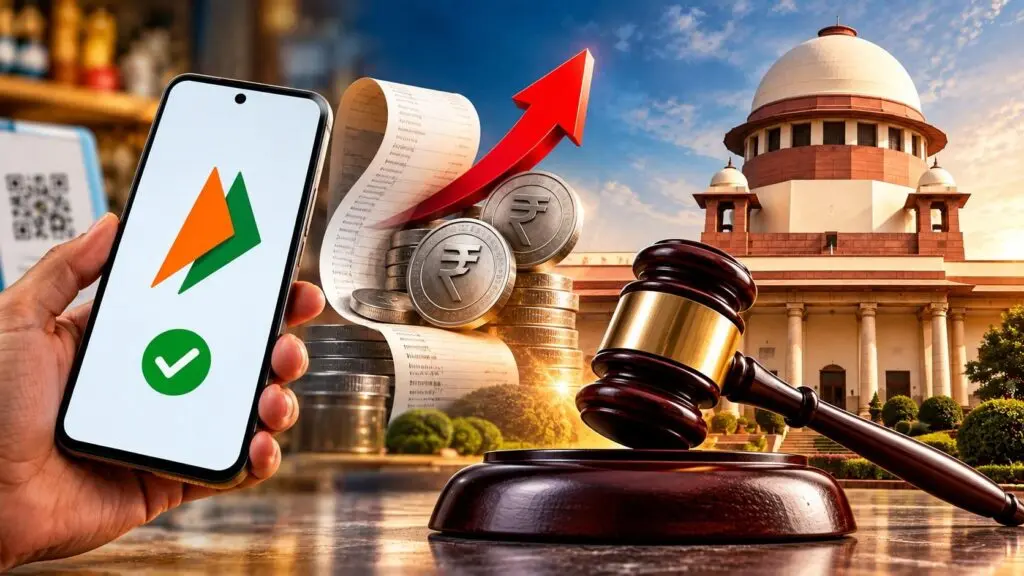
Petrol pump dealers and a Supreme Court petitioner have challenged the government’s new Merchant Discount Rate (MDR) on UPI transactions above Rs 2,000, set to take effect from 15 October. The All India Petroleum Dealers Association wrote to Finance Minister Nirmala Sitharaman seeking full exemption, arguing that even a Rs 5 flat charge erodes their fixed per-litre margins, unchanged since 2017. Advocate Anjan Datta filed a PIL in the Supreme Court on Wednesday, arguing the 0.4% MDR could be passed to consumers and was introduced without public consultation or adequate safeguards.
Under the new framework, a 0.4% MDR applies to eligible person-to-merchant UPI payments above Rs 2,000, capped at Rs 300 for transactions of Rs 75,000 and above. Essential sectors including fuel, railways and insurance attract a concessional flat Rs 5 MDR. The government has said all person-to-person transfers and payments up to Rs 2,000 remain free, and small merchants receiving up to Rs 1 lakh monthly through UPI QR codes are exempt, leaving about 96% of transactions unaffected. Dealers have warned they may discourage UPI payments if the exemption is not granted.
Indian Opinion Analysis
The Supreme Court challenge and petroleum dealers’ protest frame the MDR as a burden on thin-margin businesses, while government spokespersons emphasise that 96% of transactions remain free and the charge is merchant-side only. Consumer-protection experts quoted by Times Now support the official framing, but the m9.news piece inflates the backlash into claims the government is “going back”, which sources deny. Neither side addresses the operational question: how merchants will absorb costs without passing them on, given the fixed-margin economics of fuel retailing. The NPCI’s implementation date of 15 October will test compliance and enforcement.
Coverage: 8 sources, 1 pro-government, 1 government-critical, 5 neutral, 1 sensationalist
Sources (8): ndtvprofit.com (neutral report), ndtvprofit.com (2) (neutral report), livemint.com (neutral report), timesnownews.com (government critical), timesnownews.com (2) (pro government), m9.news (sensationalist), hindustantimes.com (neutral report), hindustantimes.com (2) (neutral report)
This brief was synthesised by AI from the 8 sources linked above, so one read covers every framing they carry.
Updated: this story now draws on 8 sources.