Now Reading: Philips exec says AI saves Indian clinicians three weeks a year
-
01
Philips exec says AI saves Indian clinicians three weeks a year


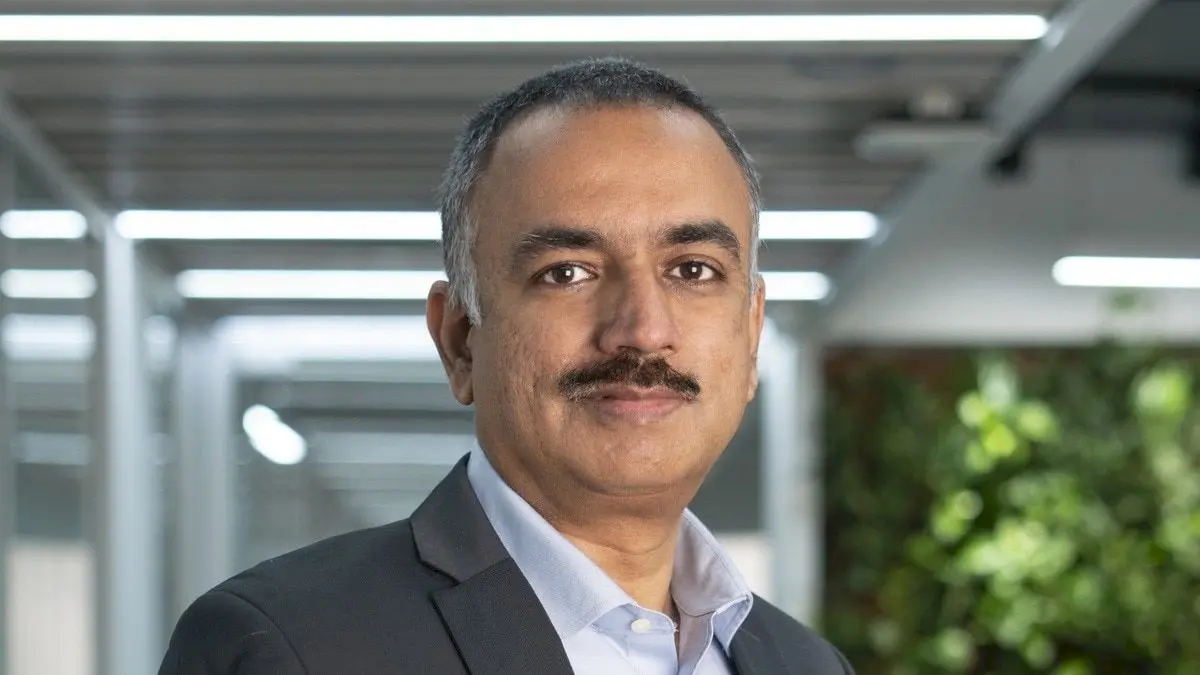
Bharath Sesha of Philips says artificial intelligence is now delivering measurable outcomes for Indian clinicians, with tools saving the equivalent of more than three working weeks annually. He told Business Today that…
The Story in Brief
Bharath Sesha of Philips says artificial intelligence is now delivering measurable outcomes for Indian clinicians, with tools saving the equivalent of more than three working weeks annually. He told Business Today that doctors are reinvesting that saved time in patient care and diagnosis, and that AI is reducing stress and improving work-life balance. Sesha attributed faster AI adoption in India to the country's high patient volumes and the need to bridge healthcare gaps between metropolitan centres and rural areas.
However, the report flagged gaps in AI training and governance, with nearly two-thirds of clinicians saying training remains inadequate. Sesha emphasised that human judgement will stay central, as clinicians still need to correct AI-generated misinformation. He called for stronger data privacy frameworks, noting India's SAHI guidelines on patient consent and data use.
The Indian Opinion
The narrative that AI will replace doctors gains little support from this data. Indian clinicians are not losing jobs but gaining time for the care they signed up for. The real bottleneck is training: two-thirds of clinicians say they lack it. If hospitals and the government do not invest in AI education soon, the promised gains in access and quality will remain uneven. The test will be whether AI adoption in rural stroke care, as Sesha described, actually reduces mortality rates over the next year.
Source: businesstoday.in
This story was synthesised by AI from the source linked above.