














Now Reading: Skyroot’s Vikram-1 reaches orbit on first launch attempt
-
01
Skyroot’s Vikram-1 reaches orbit on first launch attempt


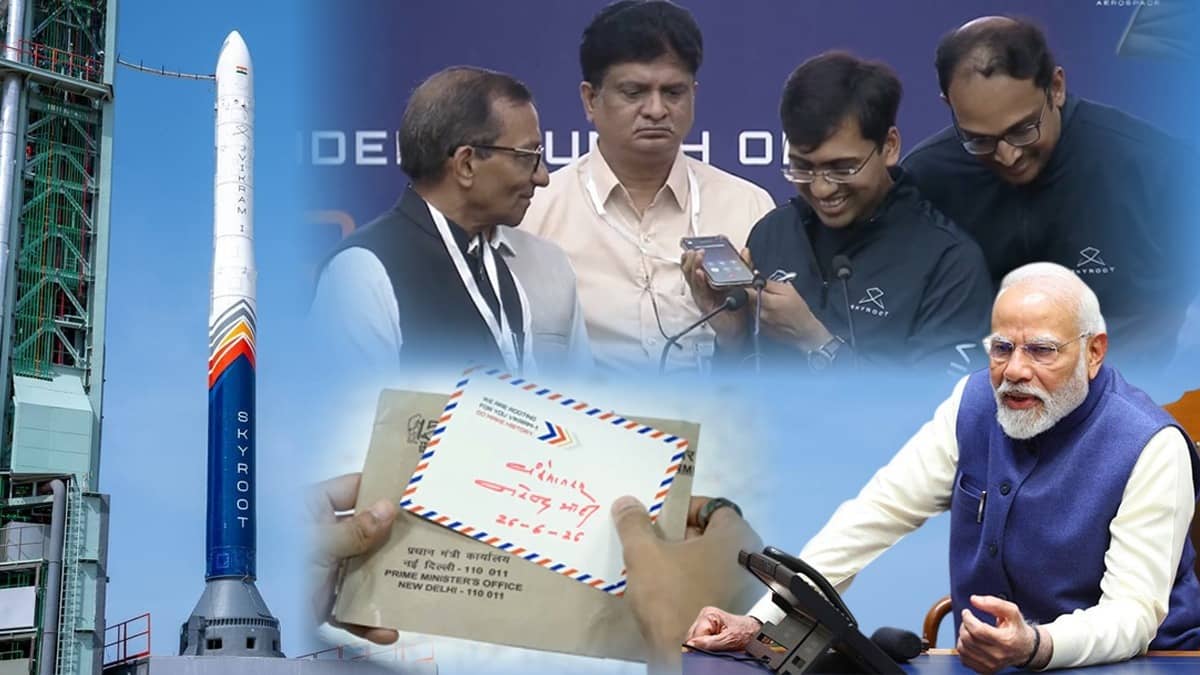
Skyroot Aerospace's Vikram-1 rocket reached low Earth orbit on its first attempt during what the company called Mission Aagaman, Republic World reported, making India one of a small number of countries with…
Skyroot Aerospace's Vikram-1 rocket reached low Earth orbit on its first attempt during what the company called Mission Aagaman, Republic World reported, making India one of a small number of countries with private orbital launch capability. The nearly seven storey, all carbon composite, multi-stage rocket uses in-house 3D printed engines and lifted off from the Satish Dhawan Space Centre in Sriharikota, releasing its payloads roughly 17 minutes after launch.
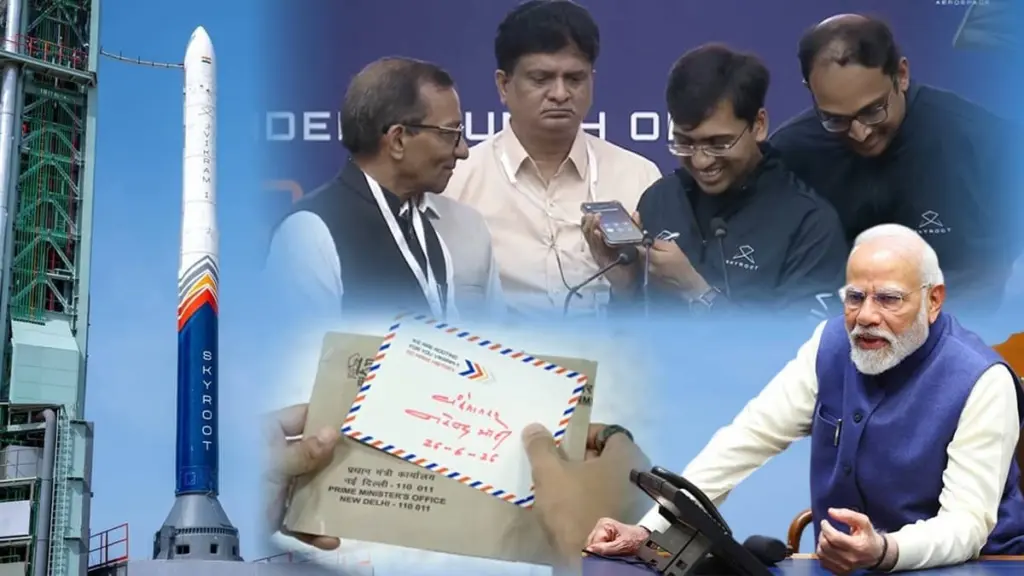
Prime Minister Narendra Modi sent a handwritten postcard reading Vande Mataram as a symbolic payload, tying the gesture to the 150th anniversary of Vande Mataram and telling Skyroot's team the mission had, in his words, planted a new tree in space. Handwritten messages from Skyroot's own engineers and investors, former ISRO chairmen and Indian astronauts travelled alongside the Prime Minister's postcard.
Indian Opinion Analysis
A single successful flight shows Vikram-1 can reach orbit, not that Skyroot can repeat it on a schedule paying customers would need, the account names no cargo beyond the symbolic postcards and messages, and no contract tied to this launch. The Vande Mataram naming and the Prime Minister's remarks sit alongside the technical result rather than substituting for it.
Skyroot's next launch, whenever it is confirmed, and any named commercial payload on it, are what would show whether Mission Aagaman was a one off or the start of a cadence.
Source: Republic World
This brief was synthesised by AI from the source linked above.