





















Now Reading: Modi unveils Saptadhara reform plan for Viksit Bharat
-
01
Modi unveils Saptadhara reform plan for Viksit Bharat


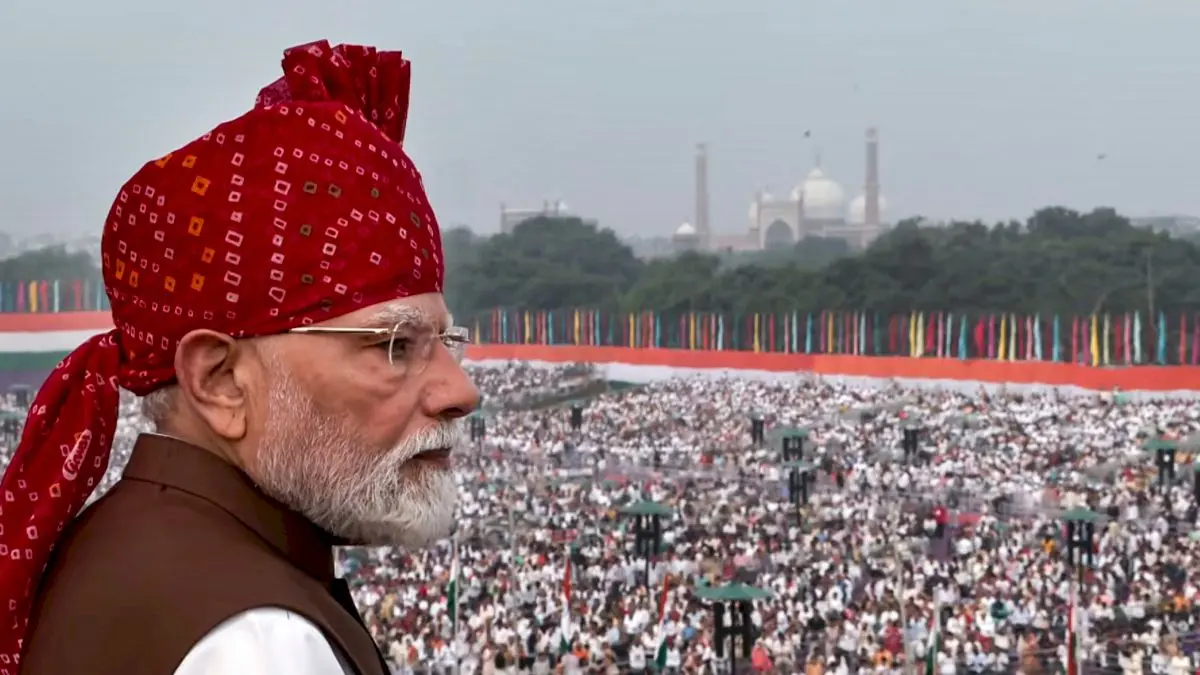
Prime Minister Narendra Modi, in his 80th Independence Day address from the Red Fort, announced the 'Saptadhara' framework, seven streams of strength to drive India toward a developed nation by 2047. Drawing…
The Story in Brief
Prime Minister Narendra Modi, in his 80th Independence Day address from the Red Fort, announced the 'Saptadhara' framework, seven streams of strength to drive India toward a developed nation by 2047. Drawing a parallel with the ancient 'Sapta Sindhu' rivers, Modi called for sweeping changes in manufacturing, agriculture, technology, infrastructure, defence, green and blue economies, and India's global soft power.
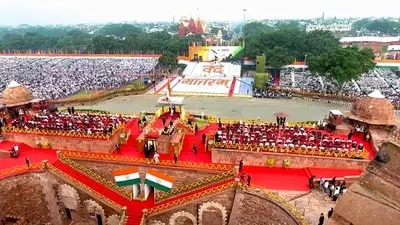
The seven pillars include manufacturing power with zero-defect goals, agriculture and food processing for global food leadership, technology and innovation, Gati Shakti for high-speed connectivity, defence self-reliance (Aatmanirbhar Defence), green and blue economies, and expanding India's soft power through trade and cultural influence. Modi said these reforms must achieve in 5-7 years what was missed in the last 5-7 decades.
The Indian Opinion
The Saptadhara plan sounds grand, but ordinary Indians have heard big promises before. The manufacturing push depends on easing land, labour and power costs, none addressed in the speech. The agriculture stream talks of global exports but skips the crisis of falling farm incomes. Defence self-reliance is welcome, but India still imports 60% of its weapons. Watch for the upcoming Budget: will it allocate real funds to each stream, or is this another rhetorical river?
Sources (2): indiatvnews.com, hindustantimes.com
This story was synthesised by AI from the 2 sources linked above.
Updated: this story now draws on 2 sources.