





















Now Reading: PM-RAHAT cashless scheme treats 25,000 road crash victims
-
01
PM-RAHAT cashless scheme treats 25,000 road crash victims


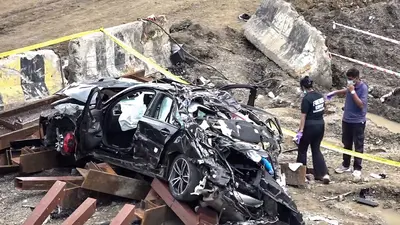
Nearly 25,000 road crash victims have been treated under the PM-RAHAT cashless scheme in the past eight months, with hospitals reimbursed in around 13,000 cases, a top road transport ministry official said…
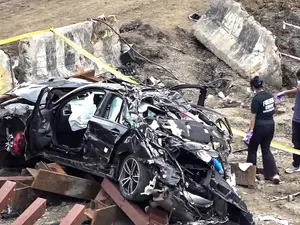
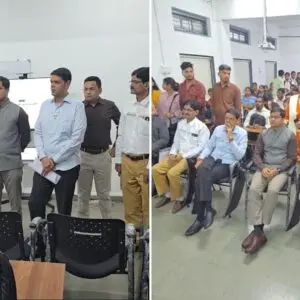
Nearly 25,000 road crash victims have been treated under the PM-RAHAT cashless scheme in the past eight months, with hospitals reimbursed in around 13,000 cases, a top road transport ministry official said on Tuesday. Additional secretary Mahmood Ahmed told a roundtable that the scheme, which mandates free treatment up to Rs 1.5 lakh per victim for seven days, has saved lives. Studies show 50% of crash deaths can be prevented with quick medical care.
Ahmed stressed the need for electronic enforcement of traffic rules, saying deterrence requires certainty of punishment. Experts and officials noted India's improving vehicle safety cannot substitute for speed control on urban roads, where pedestrians and two-wheeler riders are exposed to severe crashes. National Road Safety Board chairman Nitin Gokarn said congested areas lack pedestrian facilities and have wrong-side driving and poor lighting.
Experts cited examples such as Paris, where 89% of urban roads have speed limits of 30 kmph or less. IIT Kharagpur professor Bhargab Maitra said speed management is doable in the short term through engineering, enforcement, and context-based regulation that prioritises vulnerable users.
Indian Opinion Analysis
India's Motor Vehicles Act, 1989 mandates cashless treatment for crash victims, but implementation has been patchy. PM-RAHAT, launched in April 2024 under the Act's provisions, centralises claims. The 13,000 reimbursements cover only half the treated cases, suggesting either processing delays or billing gaps. The bigger picture remains 1.5 lakh road deaths annually, with 50% of fatalities preventable by rapid care, as the ministry itself acknowledges. Speed standards in India have long focused on engineering norms rather than the Paris-model area-wide limits. The National Road Safety Board, formed under the 2019 Act, now draws up the new regulations, its ability to enforce speed on state-managed urban roads, where political and economic pressures push for faster traffic flow, will be the true test.
Source: timesofindia.indiatimes.com
This brief was synthesised by AI from the source linked above.