











Now Reading: Postpartum psychosis defence in Lindsay Clancy trial pits doctors, diaries against prosecutors
-
01
Postpartum psychosis defence in Lindsay Clancy trial pits doctors, diaries against prosecutors

Postpartum psychosis defence in Lindsay Clancy trial pits doctors, diaries against prosecutors


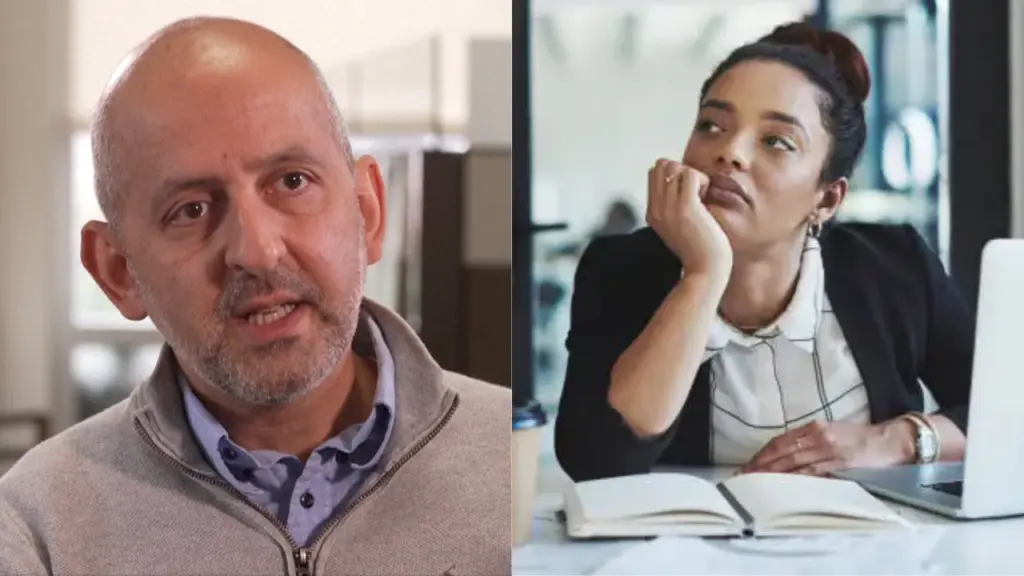
Lindsay Clancy’s murder trial has spotlighted postpartum psychosis, a condition affecting one in 1,000 new mothers and linked to bipolar disorder, according to psychiatrist Dr Julia Riddle. Clancy’s defence argues she was…
The Story in Brief
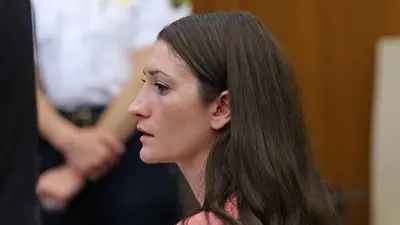
Lindsay Clancy’s murder trial has spotlighted postpartum psychosis, a condition affecting one in 1,000 new mothers and linked to bipolar disorder, according to psychiatrist Dr Julia Riddle. Clancy’s defence argues she was in a psychotic episode when her three children, Cora, 5; Dawson, 3; and Callan, 8 months, were strangled in their Duxbury, Massachusetts home on January 24, 2023. Prosecutors counter she acted intentionally and rationally. Dr Alia Goodheart, who treated Clancy days before the killings, testified Clancy was discharged on January 5, 2023 after reporting improvement; her initial diagnosis was major depressive disorder without psychosis. Clancy did not sign a release for prior medical records, and a blood test did not reveal her medications. Diary entries read aloud include “I want help” and express guilt over sleep-training her infant. After the deaths, Clancy cut her wrists and neck and jumped from a window, leaving her partially paralysed. She required CPR and blood transfusions after cardiac arrest.
The Indian Opinion
The trial risks reducing a nuanced illness to a legal tug-of-war where 'superficial' cuts and cardiac arrest become weapons for both sides. A single journal entry, “I want help”, cannot settle whether psychosis or intention drove those deaths. The jury will weigh whether a woman who researched baby neck-snapping was delusional or calculated. Did the system fail by discharging her with insomnia and suicidal ideation? Or did she conceal her true state? Watch the testimony on sleep-training stress: that mundane detail may reveal more than any diagnosis.
Sources (2): hindustantimes.com, hindustantimes.com (2)
This story was synthesised by AI from the 2 sources linked above.
Updated: this story now draws on 2 sources.