

















Now Reading: Private equity takeover of Indian healthcare criticised in new book
-
01
Private equity takeover of Indian healthcare criticised in new book


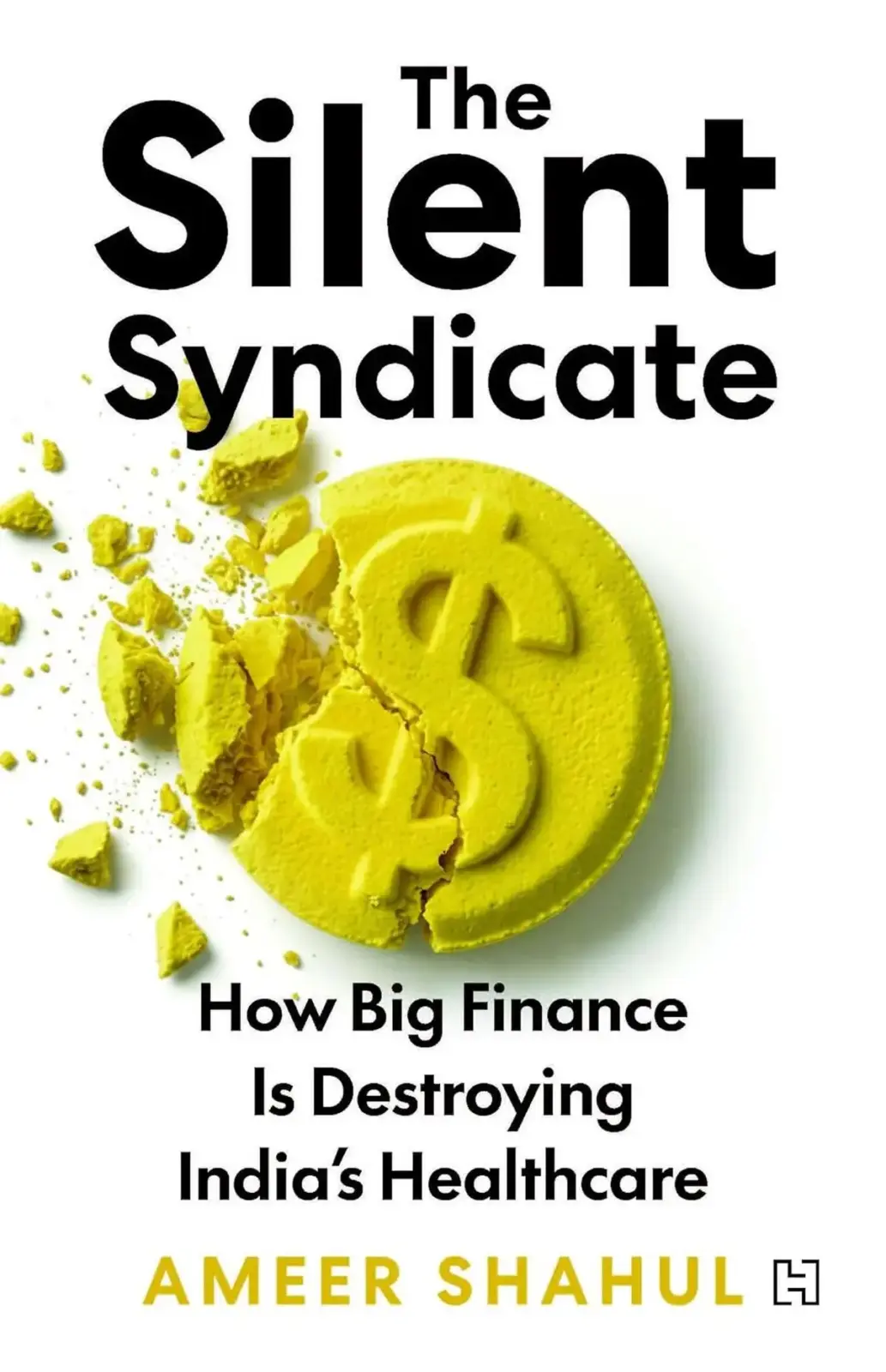
A new book, 'The Silent Syndicate: How Big Finance Is Destroying India's Healthcare' by Ameer Shahul, criticises the takeover of Indian hospitals, pharma companies, and diagnostic labs by global private equity funds like Blackstone and KKR. The Frontline review says these funds treat Indian healthcare as a global asset class, prioritising profits over patient outcomes and affordability. It notes that even policies like the 2017 cap on cardiac stent prices failed to reduce costs, as other charges rose.
The Hindu reports that a Parliamentary Standing Committee on Health and Family Welfare in August 2026 found the average hospitalisation cost in a private facility is Rs 50,508, against Rs 6,631 in a government one. The committee made 368 recommendations, including standardised package rates and that basic room tariffs in metro private hospitals should not exceed the average tariff of nearby three-star hotels. The Hindu notes a contradiction: India wants more private and foreign capital in healthcare, especially in underserved areas, while also asking for a review of FDI rules for acquiring existing hospitals.
Indian Opinion Analysis
The Frontline review frames private equity as an existential threat to affordable healthcare, emphasising profit-driven boardroom decisions overriding patient welfare. The Hindu takes a more measured approach, acknowledging the need for private capital to fill gaps in infrastructure, while detailing the Parliamentary committee's concerns about costs and the risk of profit-driven over-medicalisation. Neither source defends the status quo, but The Hindu more explicitly weighs the trade-off between investment needs and regulatory safeguards. The balanced reading is that both sources converge on the central problem: India lacks a regulatory framework that ensures private capital expands access without inflating costs. The next step is whether the government acts on the committee's 368 recommendations.
Coverage: 2 sources, 1 government-critical, 1 neutral
Sources (2): frontline.thehindu.com (government critical), thehindu.com (neutral report)
This brief was synthesised by AI from the 2 sources linked above, so one read covers every framing they carry. Methodology and corrections.
Updated: this story now draws on 2 sources.