











Now Reading: SC calls cancer drug overpricing ‘broad daylight dacoity’
-
01
SC calls cancer drug overpricing ‘broad daylight dacoity’



The Supreme Court on Tuesday described the steep markup on essential cancer medicines as 'broad daylight dacoity' after it was told that a drug with a price to retailer of Rs 2,700…
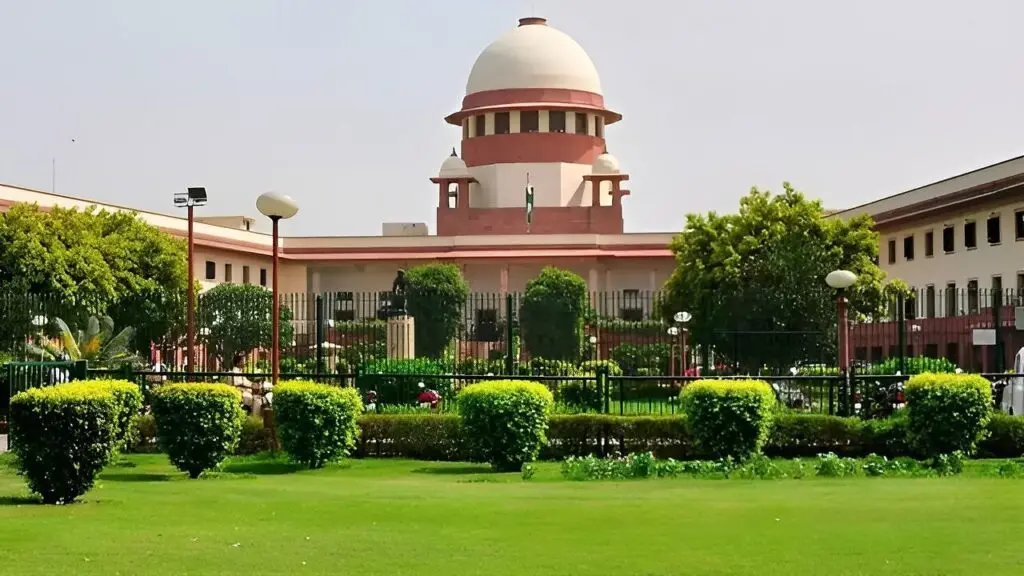
The Supreme Court on Tuesday described the steep markup on essential cancer medicines as 'broad daylight dacoity' after it was told that a drug with a price to retailer of Rs 2,700 had a maximum retail price (MRP) of Rs 27,000. A bench of Justices Vikram Nath and Sandeep Mehta said the tenfold gap amounted to extortion and questioned why drug price regulators had remained silent. The court was hearing petitions seeking tighter price controls and enforcement of the Drugs (Prices Control) Order, 2013.

Petitioner Kishan Chand Jain told the court that around 82% of medicines are non-scheduled under the DPCO, meaning their initial price is not regulated. Manufacturers can fix any MRP, with only a cap on subsequent increases of 10%. Additional Solicitor General K M Nataraj said the government was not treating the matter as adversarial. The court has listed the matter for further hearing on September 29.
Indian Opinion Analysis
All three sources report the same courtroom remarks and the Rs 27,000 vs Rs 2,700 example. Livemint is the only one to detail the petitioner's argument that 82% of medicines are outside price control, giving the fullest legal context. Times of India and Times Now focus on the bench's dramatic language and the September 29 hearing date, with less on the regulatory gap. The common ground is the court's outrage and the government's non-adversarial posture. The September hearing will test whether that posture translates into a timeline for fixing the pricing framework.
The court has listed the matter for further hearing on September 29.
Coverage: 3 sources, 3 neutral
Sources (3): livelaw.in (neutral report), timesofindia.indiatimes.com (neutral report), timesnownews.com (neutral report)
This brief was synthesised by AI from the 3 sources linked above, so one read covers every framing they carry.
Updated: this story now draws on 3 sources.