





















Now Reading: Psoriasis cases rising in India, dermatologists report
-
01
Psoriasis cases rising in India, dermatologists report


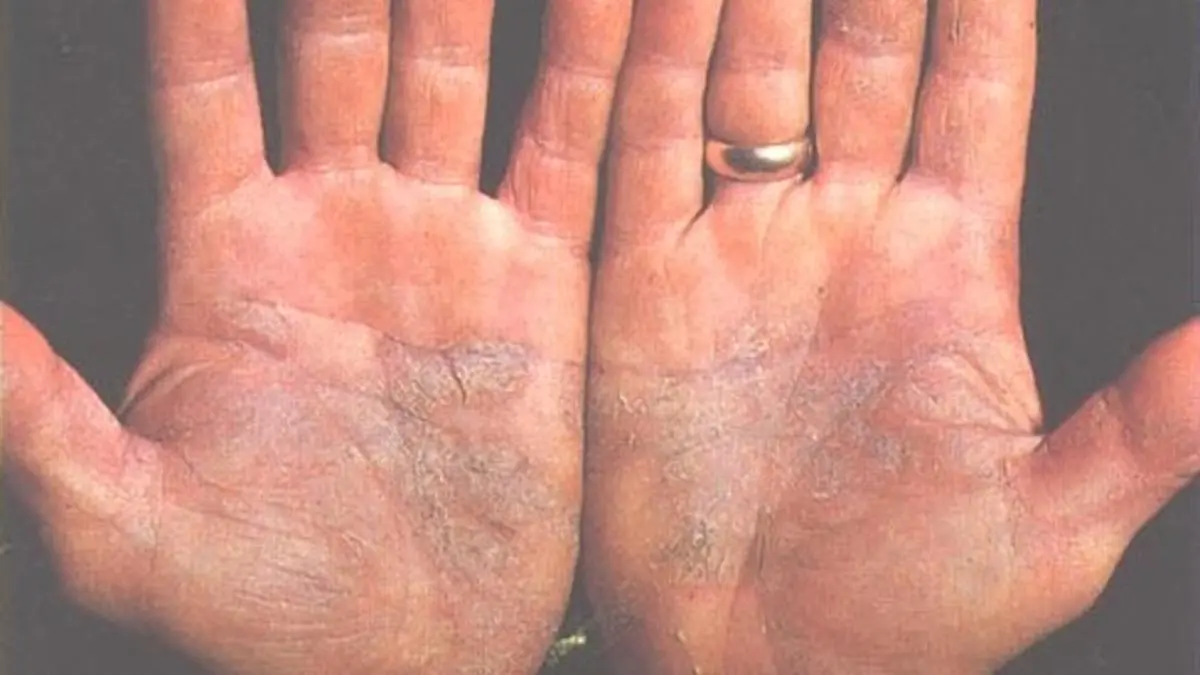
Dermatologists in India report an increase in psoriasis cases, with one Chennai-based doctor seeing daily cases rise from 2, 3 to 6, 7 over seven years. Psoriasis is a chronic, non-contagious skin disorder caused by an overactive immune system, leading to red, scaly plaques on skin. While it can run in families, triggers include stress, diabetes, hypertension, and infections like COVID-19.
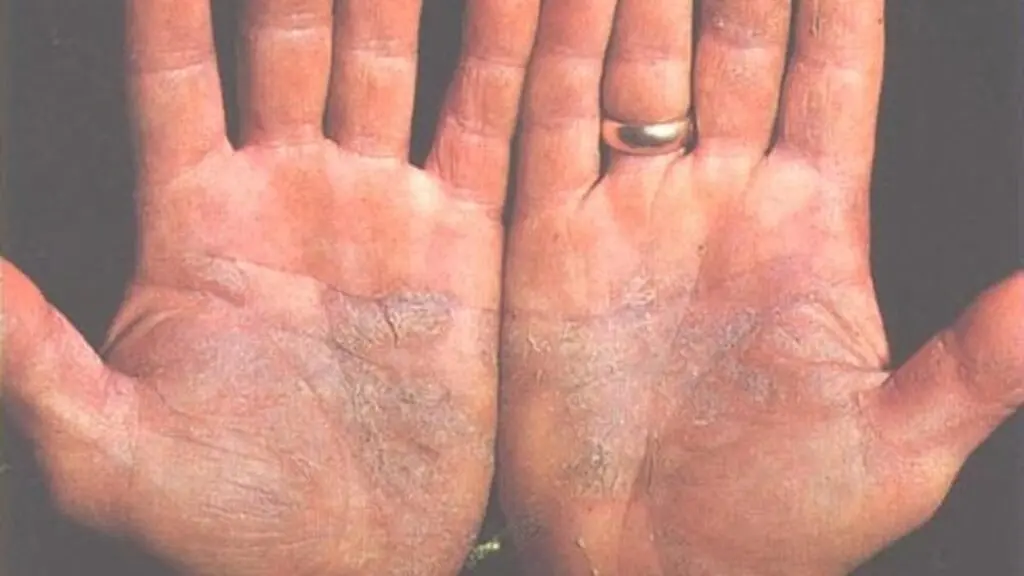
The prevalence in India ranges from 0.44% to 2.8%, according to a 2010 study in the Indian Journal of Dermatology, Venereology and Leprology. Mild cases are treated with creams, while severe cases may require biological drugs that target the immune system. Lifestyle changes to avoid triggers can help manage symptoms, though the condition is recurring and flares up in winter and monsoon seasons.
Indian Opinion Analysis
Psoriasis is not just a skin disease: it is a systemic inflammatory condition linked to metabolic disorders such as diabetes and heart disease, which are themselves rising in India. Under the National Health Mission, the government has included psoriasis in the NPCDCS programme for non-communicable diseases, though awareness and specialist access remain poor in rural areas. The Indian Association of Dermatologists, Venereologists and Leprologists has called for a national registry to track prevalence trends. What will matter next is whether the government expands biologic drug coverage under Ayushman Bharat, given that these treatments cost Rs 30,000 to Rs 1 lakh per month and are unaffordable for most patients.
Source: thehindu.com
This brief was synthesised by AI from the source linked above. Methodology and corrections.