















Now Reading: Lazy eye in children often goes undetected, say doctors
-
01
Lazy eye in children often goes undetected, say doctors


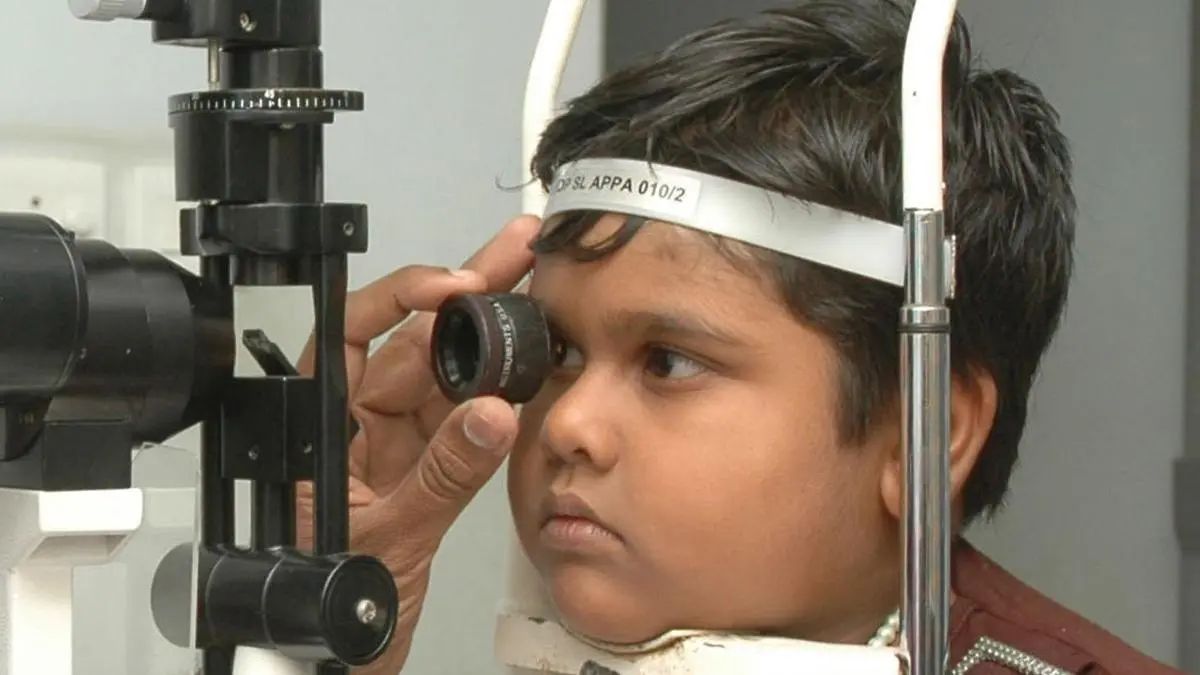
Amblyopia, or lazy eye, affects an estimated 2% to 4% of children under five, but the actual burden may be higher because many children show no obvious symptoms, according to ophthalmologists. The condition occurs when the brain does not adequately process visual input from one eye, which can be caused by uncorrected refractive errors, squint, congenital cataract or corneal opacity. A child may simply rely on the better eye and continue daily activities without complaint.

Routine childhood vision screening is not universal in India, and children can remain undetected despite attending school normally, said Aparna Bhatnagar, senior consultant at Apollo Speciality Hospitals in Chennai. School screening programmes can help identify children around four to five years of age, added Kalpana R, senior consultant at SIMS Hospital, Chennai. The gap is particularly significant among preschool children and those in rural or semi-urban areas with limited access to an ophthalmologist, and families dependent on daily wages may find it hard to lose a day's work for hospital visits.
Treatment begins by addressing the underlying cause with glasses, surgery for cataract or squint correction, and then occlusion therapy where the better eye is patched. Patching can continue for months or years, and adherence is a major challenge: electronic monitoring studies found that only about 45% of families met the patching target. Dr. Bhatnagar stressed that adherence failure is not a parenting failure but a predictable response to an unsustainable task, and treatment must account for each family's working hours, school timings and the child's temperament.
Indian Opinion Analysis
Childhood vision screening is not part of India's national health programmes, unlike newborn hearing screening or the Rashtriya Bal Swasthya Karyakram for four Ds (defects at birth, deficiencies, diseases, developmental delays). Anganwadi workers under ICDS are not routinely trained to check vision. The World Health Organization's SPECS 2030 initiative recommends population-level refraction and spectacle coverage, but India's current reach is low. A child detected at age seven or later is often past the critical neuroplastic window before age eight, making recovery harder. The practical next step for parents is to request a vision check at any primary health centre or district hospital, the cost of basic refraction and glasses is covered under Ayushman Bharat health and wellness centres.
Source: thehindu.com
This story was synthesised by AI from the source linked above. Methodology and corrections.